
Art & Craft Heritage7 min read
Why HobbyMela Exists: Building the Support System India's Artists Never Had
India has no shortage of creative talent. What it lacks is the ecosystem that helps artists turn talent into sustainable careers. HobbyMela is building that support system. connecting artists with customers, opportunities, mentorship, storytelling and community.
India does not have a shortage of artists. It has a shortage of systems that allow artists to thrive.
Across the country, extraordinary people are painting, sculpting, weaving, working with glass, ceramics, paper, textiles, metal, wood, resin and dozens of other mediums. They are preserving knowledge, developing new forms of expression and creating work that can compete on a global stage. Yet for many of them, becoming a professional artist still feels like taking a risk rather than choosing a career.
That contradiction is what led us to build HobbyMela.
The Talent Is There. The Support System Isn't.
In India, the first barrier to an artistic career often appears long before an artist begins working professionally. It starts at home. For generations, creative pursuits have been positioned as something valuable to have alongside a career, rather than something that can become a career. A child who excels in science is encouraged to become a doctor; a child who loves mathematics is encouraged to become an engineer. But a child who spends hours drawing, painting, dancing or making things is often told to keep it as a hobby.
The message is subtle but powerful: you can love art, but you shouldn't depend on it.
Yet creativity is not a fringe part of the global economy. UNESCO estimates that cultural and creative industries account for approximately 3.1% of global GDP and 6.2% of employment worldwide. India, meanwhile, has one of the world's deepest reservoirs of craft knowledge and creative talent. The Ministry of Textiles estimates that India's handicrafts and handloom sectors support millions of artisans and craftspeople.
The problem, therefore, isn't talent. It is infrastructure.
What We Learned From 25 Artists
When we began speaking to artists for HobbyMela, we expected to learn about mediums, techniques and creative processes. Instead, we kept hearing about something much more fundamental: support systems.
We spoke to artists at very different stages of their careers, working across clay, glass, paper, painting, resin, mosaic, textiles, quilling and other mediums. Their journeys were different, but one pattern appeared again and again. The artists who had managed to build sustainable creative careers often had someone behind them.
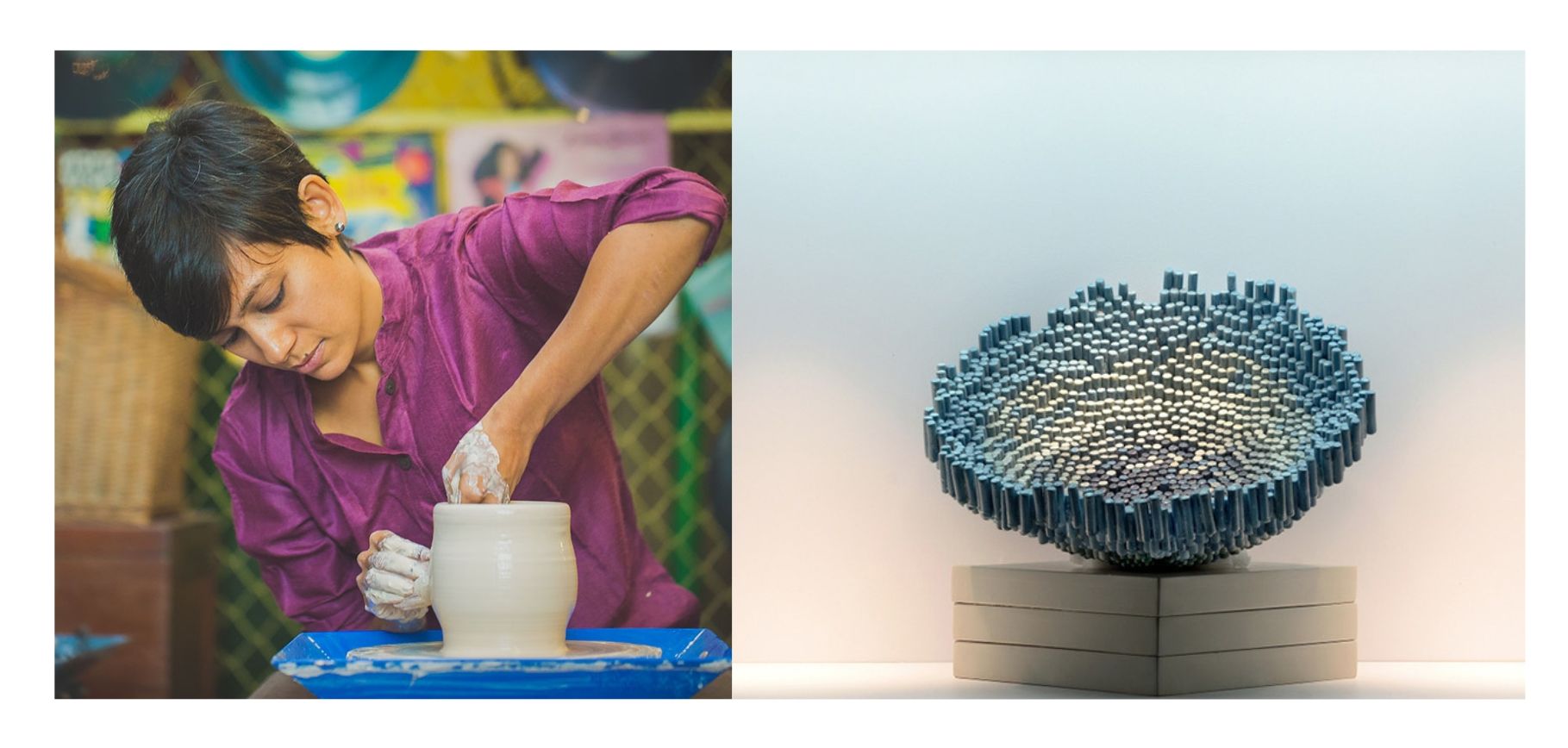
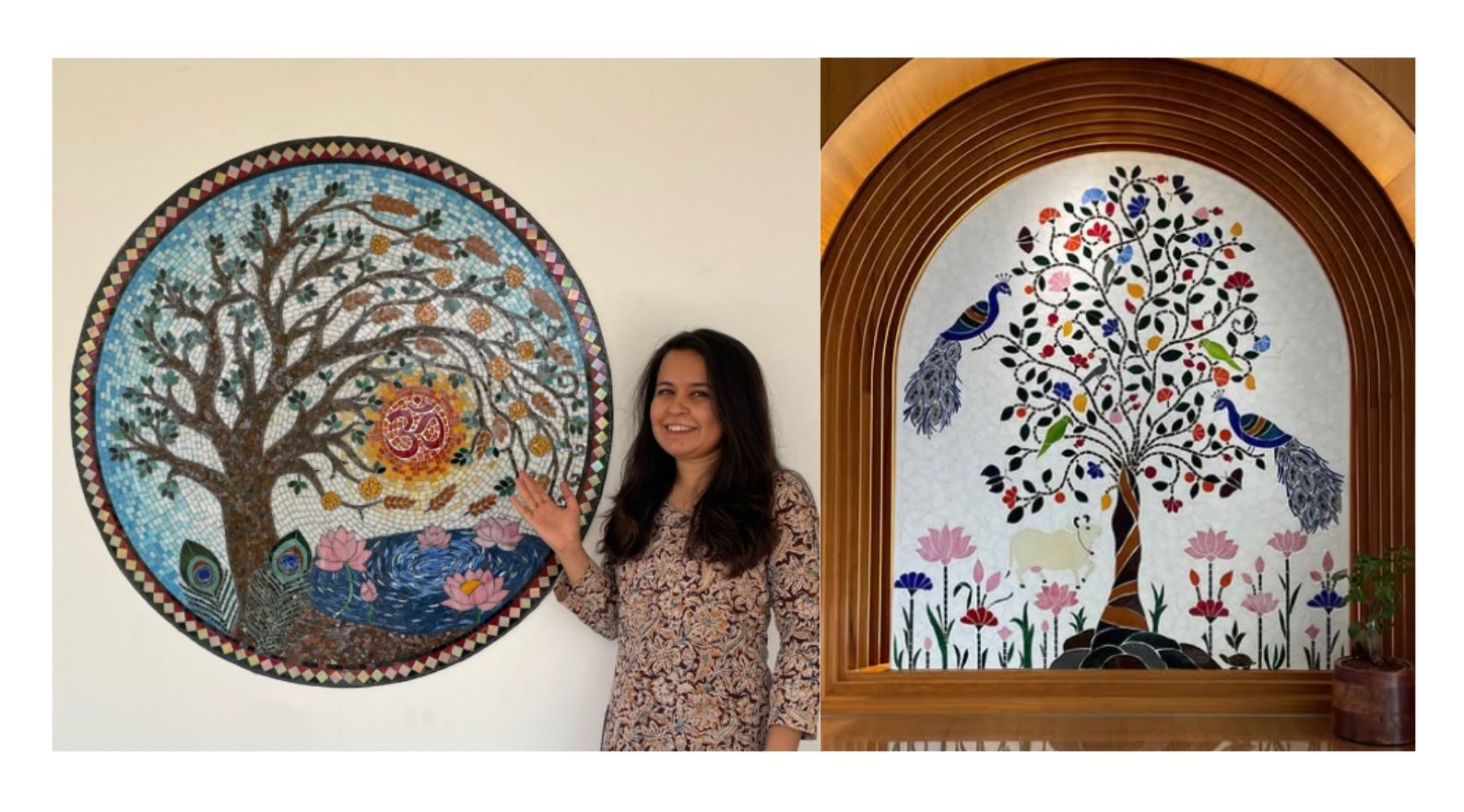
For Rekha Goyal, that support began in childhood. Her mother took her to museums, encouraged her interest in art and supported her decision to pursue formal training. By sixteen, Rekha had already begun developing the distinctive artistic language that would become central to her practice. Apoorva of Avani Studios spoke about the importance of her supportive family, while Pooja described how having an artist as a partner gave her the freedom and understanding to pursue her own creative practice. Malathy Kumaran's journey was different again; after moving to Israel and becoming a mother, art eventually became a pathway back into professional life.
These stories are inspiring, but they also raise an uncomfortable question: What happens to the artist who doesn't have that support?
When One Person Has To Be The Entire Business
Richa's journey illustrates the problem. Without an established support system, an artist can end up doing everything alone: creating the work, photographing it, producing content, managing social media, responding to customers, finding exhibitions, networking with brands and handling the business.
Somewhere in between all of that, they are expected to find time to actually make art.
The internet has made it easier to showcase creative work, but it has also made artists responsible for becoming their own media company. An artist shouldn't have to become a full-time content creator simply to have their work discovered. They shouldn't have to understand performance marketing to sell a painting or become an events manager to conduct a workshop.
Artists should be able to spend more of their time creating.
So What If The Artist Didn't Have To Do It Alone?
This is the question at the centre of HobbyMela.
We aren't building another marketplace where artists upload products and wait for customers to arrive. We are building the support system around the artist.
Our marketplace is one part of that system, with a planned zero-commission model so that the full amount paid by a customer for an artist's work goes directly to the artist rather than being reduced by marketplace commissions.
But selling artwork is only one opportunity. A sustainable creative career requires multiple revenue streams. HobbyMela is being built to connect artists with workshops, corporate commissions, bulk gifting opportunities, brand collaborations, commissioned artworks, exhibitions, grants, residencies and other institutional opportunities.
The opportunity isn't simply to sell more art. It is to create more ways for artists to earn from their talent.
Let Artists Create. We'll Help Tell Their Stories.
One of the clearest things we heard from artists was that they love making, but they don't necessarily love documenting themselves making.
Photography, videography, editing, social media and personal branding are all skills in themselves. Expecting every artist to master all of them creates another barrier between talent and opportunity.
HobbyMela therefore wants to build content support around its artists, helping document their processes and create high-quality visual stories that allow audiences to understand not only what an artist makes, but who they are and why they make it.
Because an artist's story isn't marketing fluff. It is part of the value of the work.
The Missing Curriculum: How Do You Actually Make A Living From Art?
There is another gap we repeatedly encountered. Most artists learn how to make art. Very few are taught how to build a sustainable business around it.
How do you price your work? How do you negotiate with a brand? How do you calculate margins? When should you hire someone? How do you build recurring revenue? How do you turn a creative practice into a sustainable enterprise?
These questions can determine whether an artist survives.
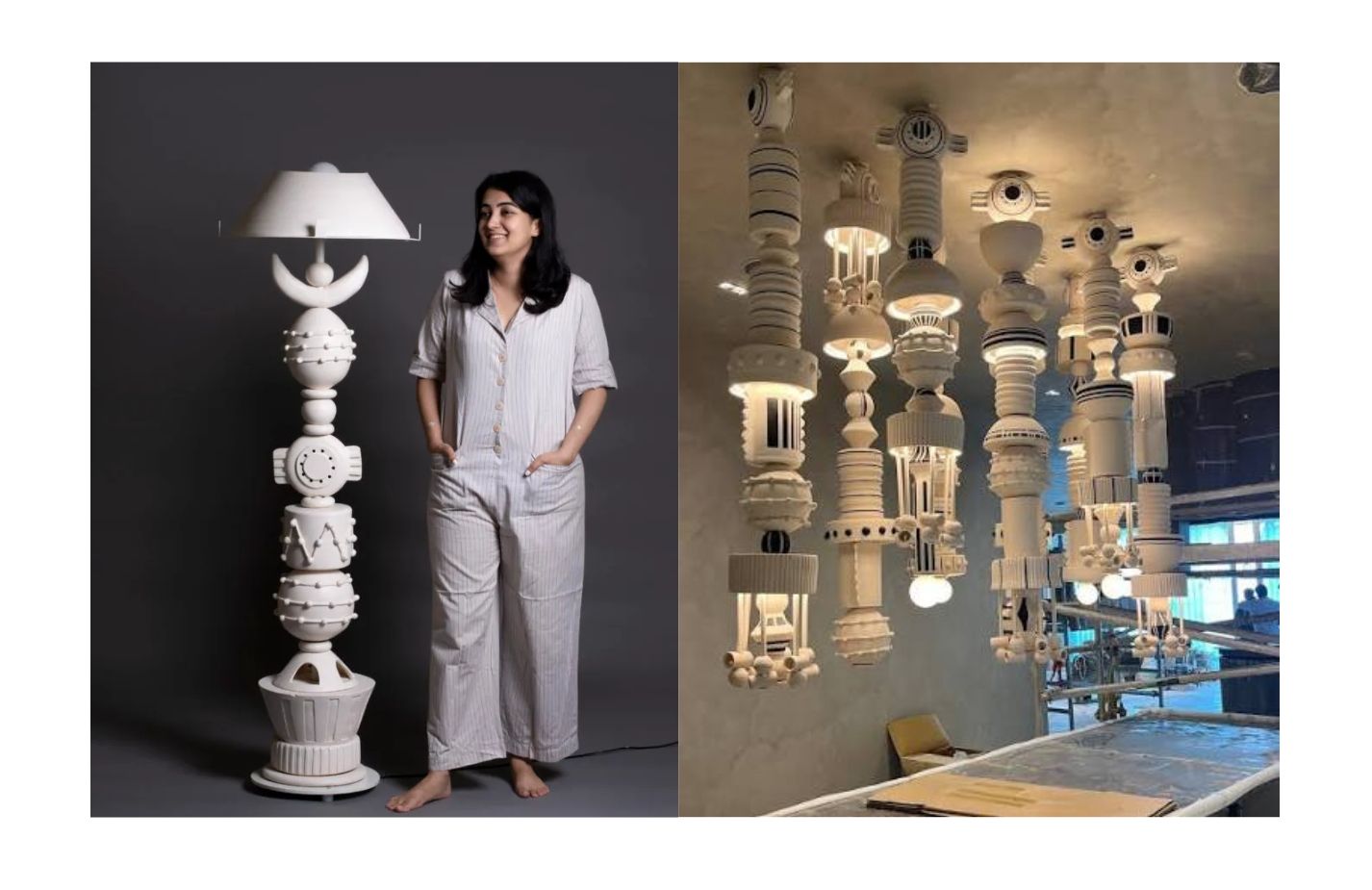
That is why mentorship will be an important part of the HobbyMela ecosystem. Experienced artists such as Harshita Jhamtani, who have navigated the journey from creative practice to business, can become role models for the generation coming behind them. Sometimes the most valuable thing an established artist can give a young creator isn't a technique. It is a shortcut through ten years of mistakes.
Building A Community, Not Just A Platform
Artists also need people who understand the journey.
A young artist should be able to ask someone experienced how they priced their first collection, found their first studio or approached their first brand. A new creator should be able to learn from someone who has already made the mistakes they are about to make.
HobbyMela is therefore also being designed as a community of makers, where emerging artists can learn from established ones, exchange knowledge, find mentors, collaborate and discover opportunities.
We don't want to build a platform where artists simply compete for attention. We want to build one where artists help each other grow.
The Opportunity Is Bigger Than Craft
It would be easy to think of HobbyMela as a craft marketplace, but that would undersell the opportunity.
The global creative economy demonstrates that creativity can generate significant economic value. India's craft traditions give us an extraordinary cultural foundation, while a new generation of consumers is increasingly looking for experiences, authenticity, craftsmanship and stories rather than simply mass-produced products.
What is missing is the infrastructure connecting three things: talent, demand and opportunity.
HobbyMela is being built to sit in that space. For artists, that can mean access to customers, commissions, workshops, mentors, content support and community. For corporations and brands, it can mean access to a curated network of artists for gifting, experiences, installations and collaborations. For consumers, it can mean discovering makers, learning directly from them and becoming part of the creative process themselves.
What If Talent Didn't Depend On Luck?
When we look back at the artists we have spoken to, the question that stays with us isn't simply, "How did they become successful?"
It is, "How many equally talented people never got the chance?"
How many children stopped painting because someone told them it wasn't a career? How many artists abandoned their practice because they couldn't make the economics work? How many extraordinary craftspeople remain invisible because they don't know how to market themselves? And how many creative businesses never existed because their founders didn't have someone to guide them?
We don't believe HobbyMela can solve all of these problems. But we do believe we can build one missing piece of the puzzle: a place where an artist doesn't have to figure everything out alone.
A place where artists find customers, commissions, mentors, content support and community; where corporations can discover authentic creative talent; where consumers can discover the people behind the objects they buy; and where knowledge can move from one generation of artists to the next.
Ultimately, HobbyMela isn't simply a marketplace, a community or a content platform. We are building infrastructure for India's creative talent.
Because India has never lacked makers. Perhaps what we've been missing is a place that makes it possible for them to thrive.
Kahani Karigar Ki.