
HobbyMela Stories5 min read
When Did We Stop Creating? (The Story Behind HobbyMela)
When did we stop creating? Somewhere between childhood and adulthood, making gave way to consuming. Discover the story behind HobbyMela and why India's makers, artists, and craft traditions remind us that creativity was never meant to stay a hobby, it was meant to become a way of life.
When was the last time you made something with your hands? Not because you had to. Not because it was your profession. But simply because creating made you feel alive.
Perhaps it was a painting in school, a clay lamp during Diwali, a paper boat folded on a rainy afternoon, or helping your grandmother stitch together pieces of fabric that would one day become a quilt. Somewhere along the way, those small moments quietly disappeared. Deadlines replaced daydreams. Productivity replaced play. The joy of making slowly gave way to the habit of consuming.
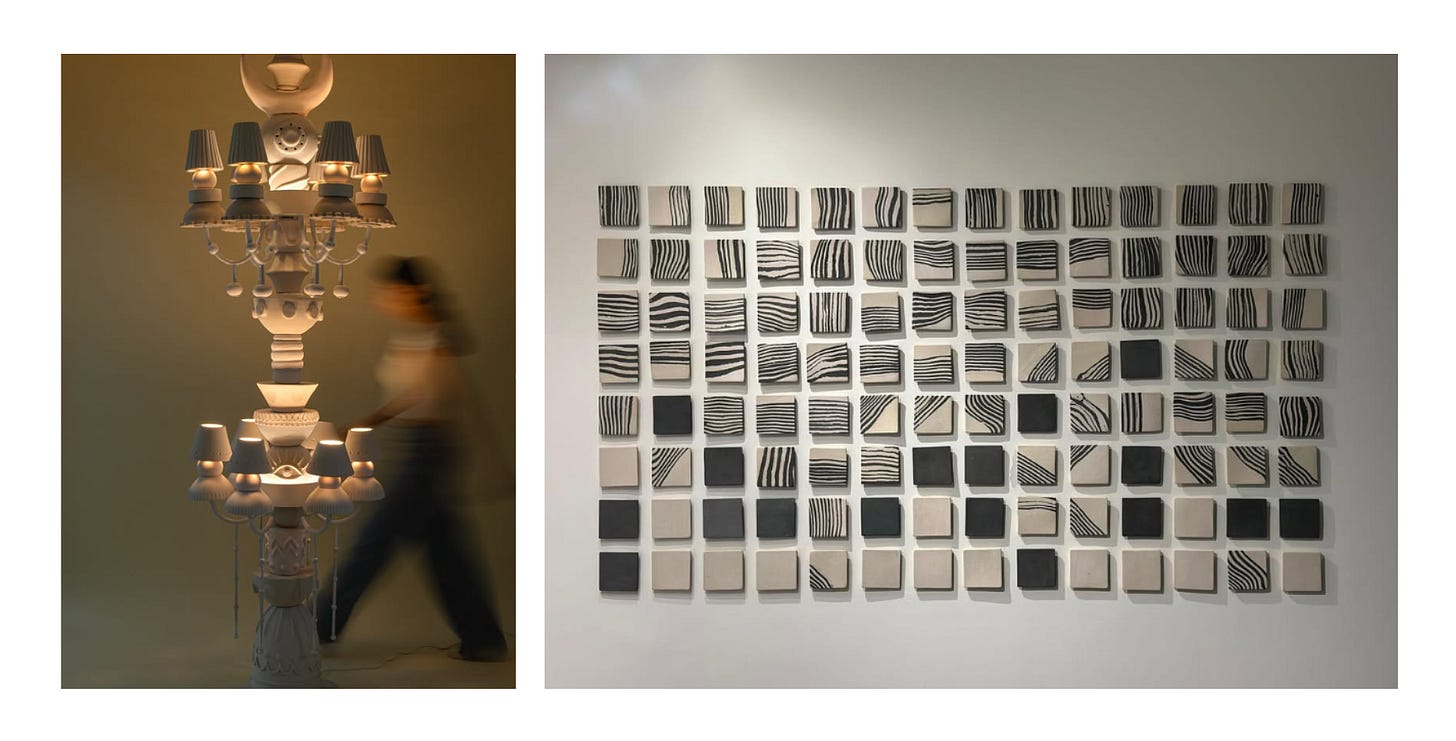
Today, our fingers spend more time scrolling than sculpting. We save ideas instead of trying them. We admire beautiful things without asking ourselves if we could create something beautiful too. Yet despite all our technological progress, something inside us still longs to make. That longing is where HobbyMela begins.
India Has Always Been a Country of Makers
Long before galleries, design schools, or online marketplaces, creativity was woven into everyday Indian life. A terracotta pot wasn’t simply a vessel, it carried the touch of the potter who shaped it. A handwoven saree held generations of tradition in every thread. Rangoli transformed ordinary doorsteps into expressions of welcome, while brass, wood, glass, and textiles quietly became part of our homes, festivals, and rituals.
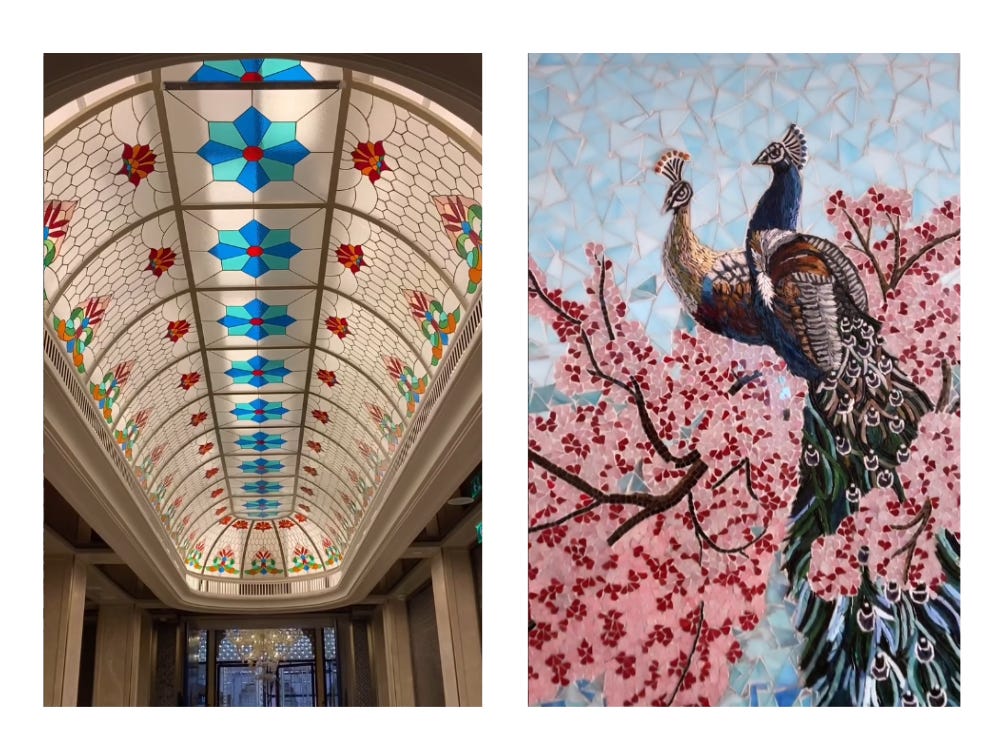
Art was never separate from life. It belonged to everyone. Our greatest traditions were built by communities of makers who believed creating was as natural as breathing. Creativity wasn’t reserved for artists; it was embedded in everyday living, passed down through generations and shared across families and communities. That spirit still exists today. It simply needs a place to gather again.
The Spark Behind HobbyMela
Over the last few years, something remarkable has happened. Pottery workshops are filling up, handmade markets are drawing crowds, and more people are searching for experiences that allow them to create rather than simply consume. In a world dominated by screens and endless scrolling, people are rediscovering the quiet joy of working with their hands.
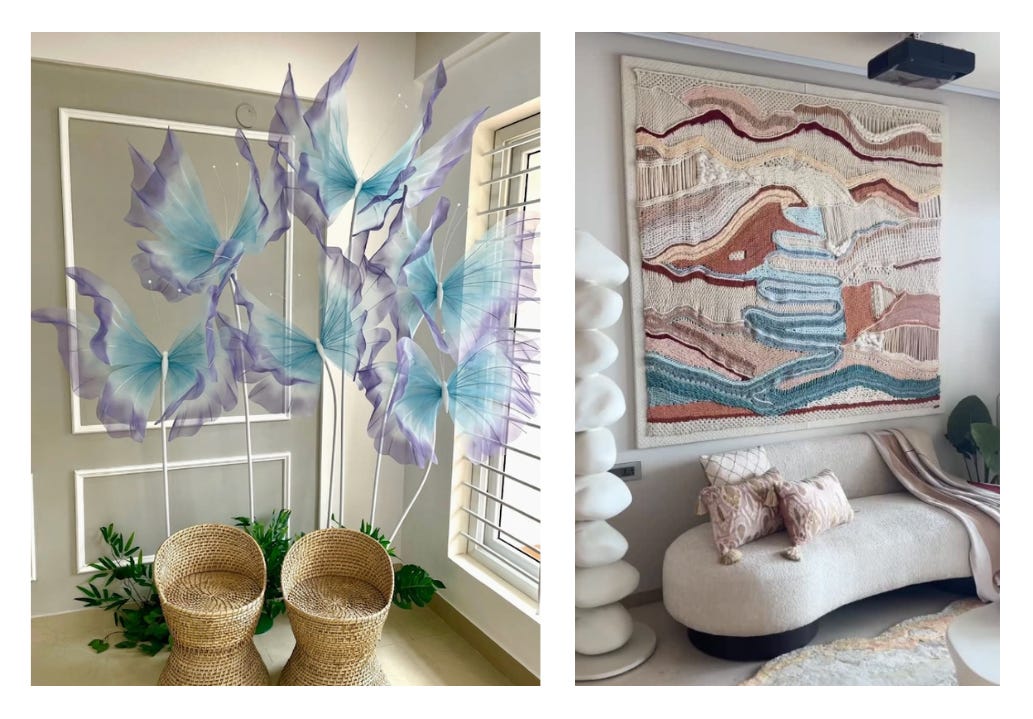
At the same time, we met extraordinary artists across the country ceramists, glass artists, textile makers, paper sculptors, mosaic artists, and countless others whose work deserved far greater visibility than a weekend exhibition or a fleeting social media post. These artists weren’t simply making beautiful objects; they were preserving traditions, experimenting with materials, and dedicating years to mastering their craft. We realised something important: what was missing wasn’t talent. It was connection.
More Than Workshops
It would be easy to describe HobbyMela as a platform for creative workshops, but that would only tell part of the story. HobbyMela is being built as a community where creativity is discovered, shared, and celebrated. It is a place where beginners can learn from master artisans, where artists share not just techniques but their journeys, and where craft once again becomes a way of bringing people together.
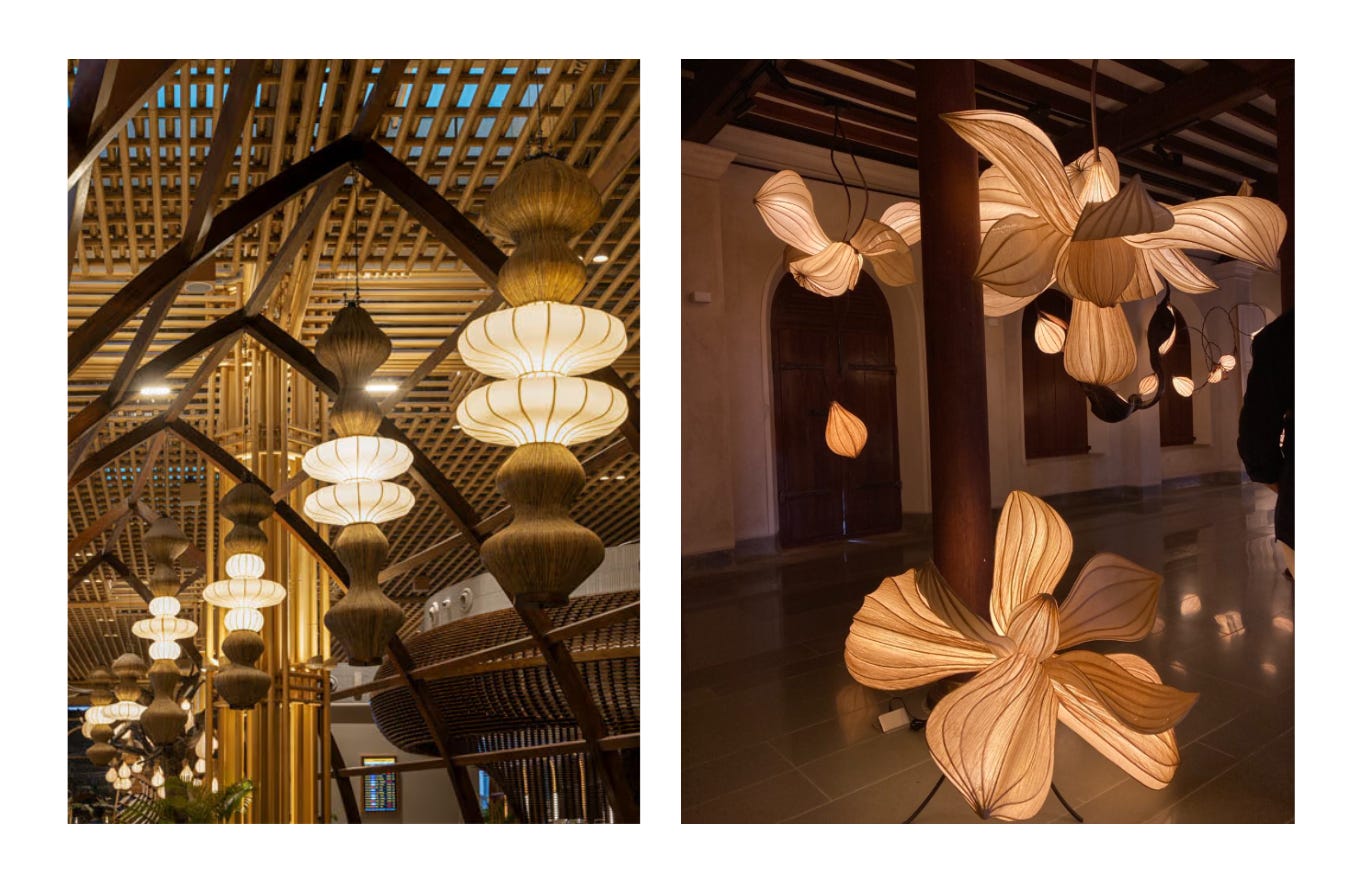
Behind every handmade object is a human story. A ceramic bowl carries years of practice. A woven textile preserves generations of knowledge. A glass sculpture captures moments of extraordinary precision. These stories deserve to be celebrated just as much as the finished work itself, because artists are more than creators, they are storytellers, innovators, and keepers of culture. By documenting their journeys, HobbyMela hopes to ensure that the wisdom, passion, and traditions behind every craft continue to inspire future generations.
Behind every handmade object is a human story. A ceramic bowl carries years of practice. A woven textile preserves generations of knowledge. A glass sculpture captures moments of extraordinary precision. These stories deserve to be celebrated just as much as the finished work itself, because artists are more than creators, they are storytellers, innovators, and keepers of culture. By documenting their journeys, HobbyMela hopes to ensure that the wisdom, passion, and traditions behind every craft continue to inspire future generations.
Maybe Hobbies Were Never Meant to Stay Hobbies
Somewhere, someone is picking up a paintbrush for the first time. Someone else is returning to clay after years away from it. A child is discovering the joy of weaving, while a professional is finding peace in pottery after a demanding week. None of them know where that first step will lead. For some, it will remain a joyful pastime. For others, it may become a lifelong friendship, a new career, or a calling they never expected to find.
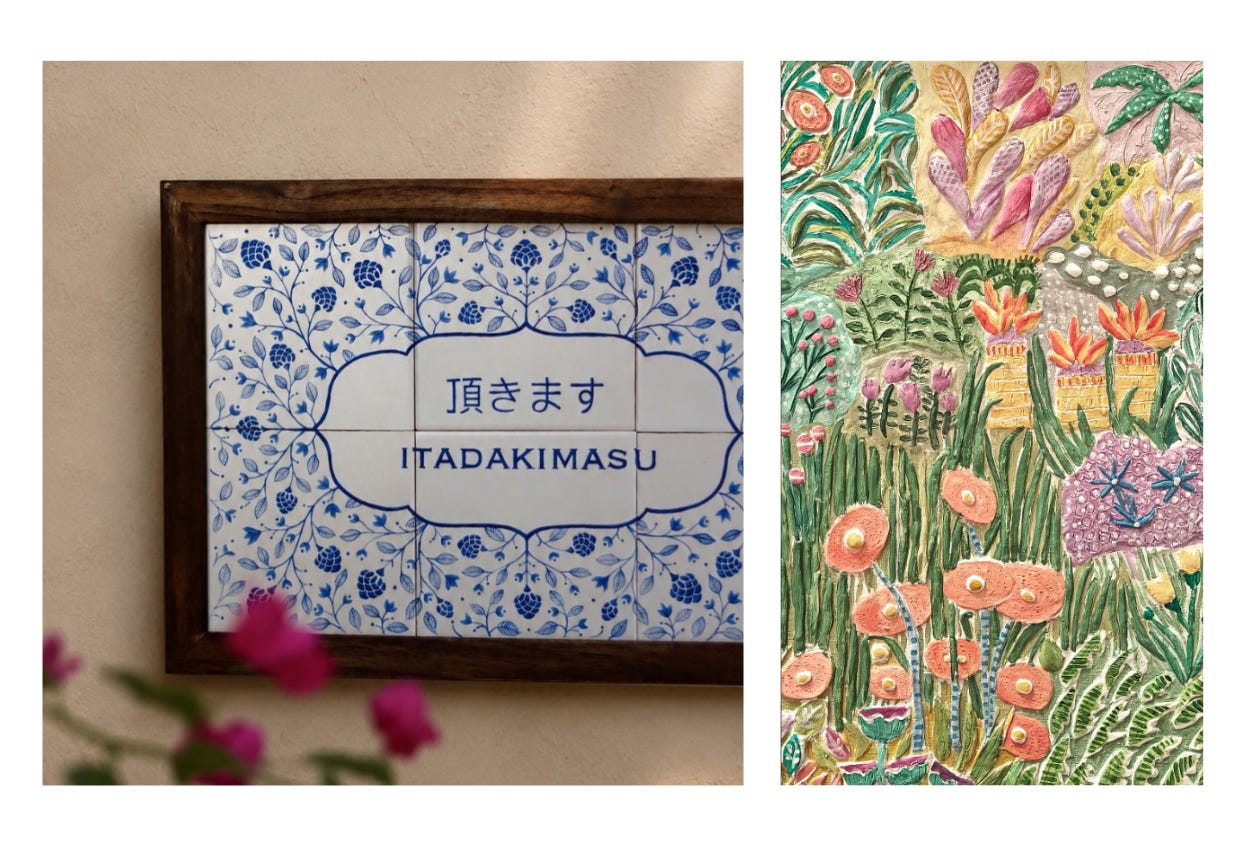
That is the future HobbyMela hopes to inspire a place where curiosity becomes confidence, where artists find the recognition they deserve, and where traditions are preserved by passing them into new hands. More than anything, it is a reminder that creativity is deeply human. Because perhaps the most beautiful things we create aren’t always the ones we place on a shelf. They are the confidence we build, the communities we nurture, the stories we share, and the lives we quietly reshape through the simple act of making.
Maybe hobbies were never meant to stay hobbies.
Maybe they were always meant to become a way of life.
Sometimes they’re the confidence we build.
The communities we nurture.
The stories we share.
And the lives we reshape through the simple act of creating.
Maybe hobbies were never meant to stay hobbies.
Maybe they were always meant to become a way of life.
At HobbyMela, we’re building a platform around this instinct, a craft ecosystem where India’s makers find visibility, community, and a stage worthy of the work their hands produce. If your hands have been idle for too long, this is your invitation to use them again.
Follow HobbyMela on Instagram and Linkedin
Subscribe on https://www.youtube.com/@hobbymela
Read more at hobbymela.com