
6 min read
What Happens When The Last Maker Dies?
What disappears when the last artisan dies? Not just a craft, but generations of knowledge carried in human hands. From Rogan Art to Toda embroidery and Kashmir's Kani weavers, discover why saving India's crafts means preserving living knowledge not just beautiful objects.
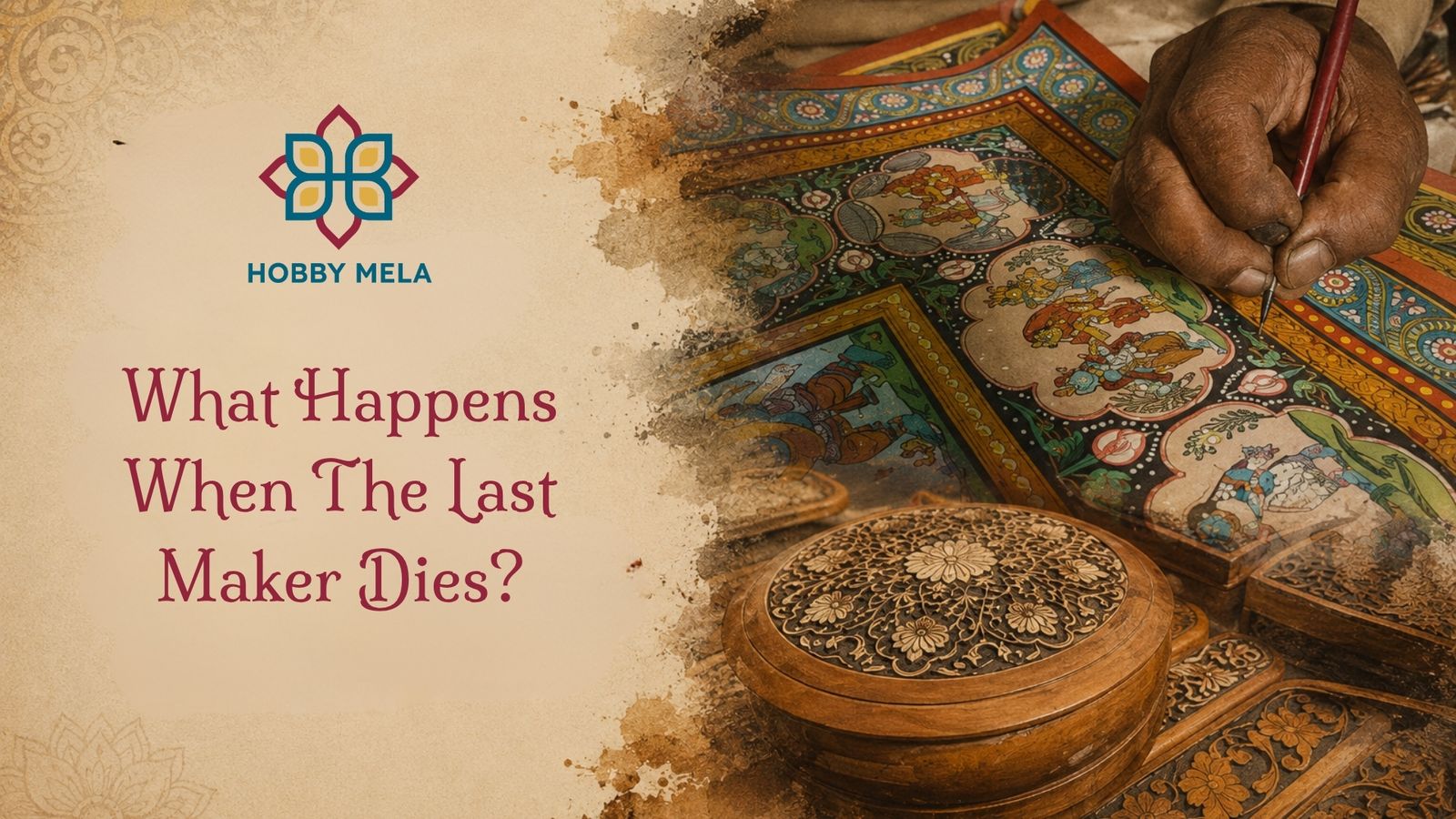
Imagine waking up tomorrow to discover that the last person on Earth who knew how to make something had passed away. Not a CEO. Not a celebrity. A maker. Someone whose knowledge was never fully written down, never digitized, and never uploaded to the cloud. Because some knowledge does not live in books. It lives in hands. Across India, that is becoming a very real possibility.
To understand what that means, imagine if the world suddenly lost the last person who knew how to make a Stradivarius violin, prepare sushi through centuries-old traditions, or read ancient Egyptian hieroglyphics. We would mourn not only the individual but an entire way of seeing and understanding the world. That is precisely what is quietly happening to dozens of India's traditional craft practices. The objects may continue to exist in museums and private collections, but the knowledge required to create them is slowly disappearing.
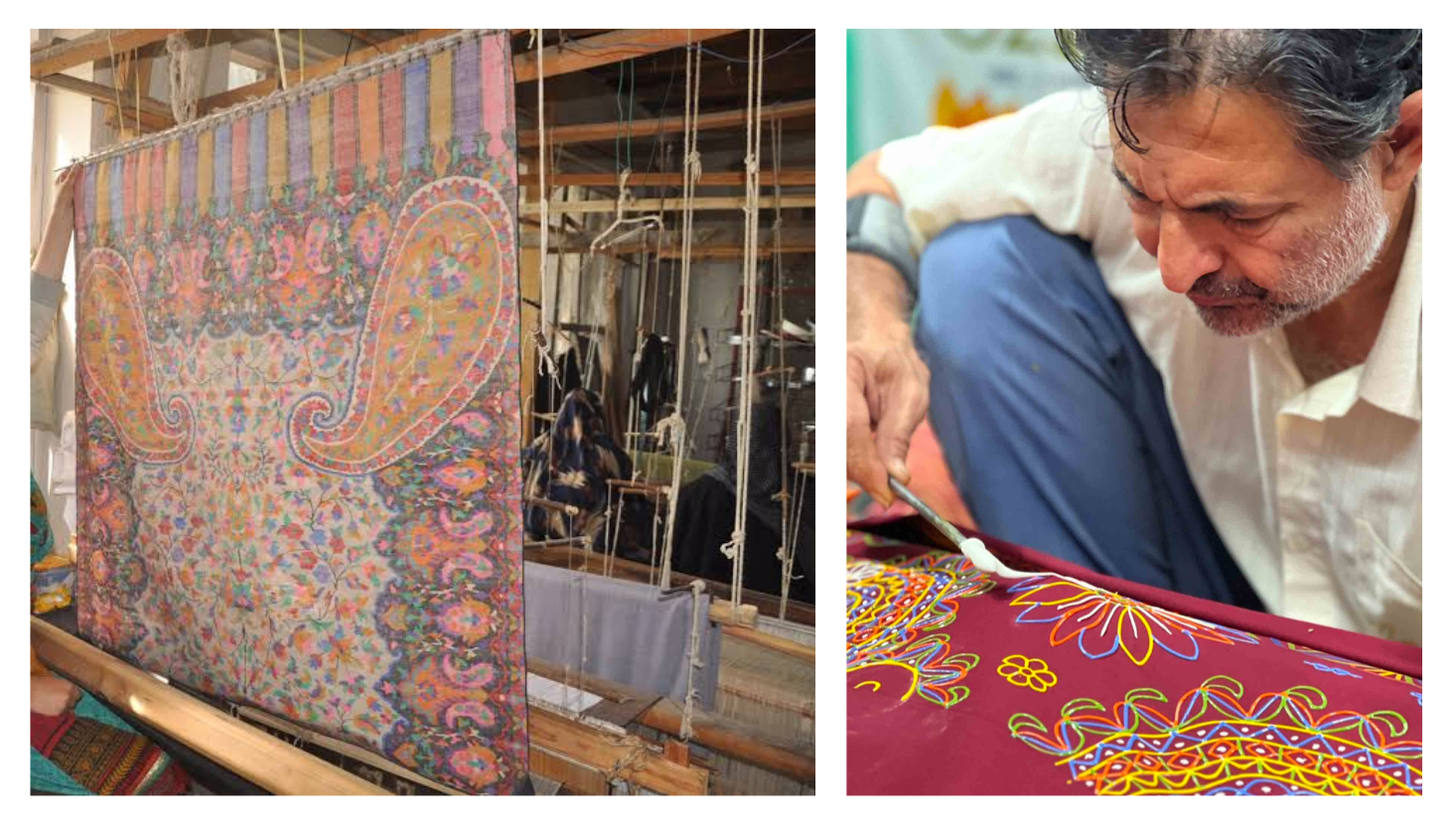
Some traditions survive today because a handful of people refuse to let them disappear. Rogan Art from Nirona in Kutch, Gujarat, has survived for over four centuries through the dedication of the Khatri family, who paint intricate patterns by suspending castor-oil paint from a metal stylus without ever touching the fabric. In Aranmula, Kerala, the famous Aranmula Kannadi continues to be made by only a few artisan families who guard the secret alloy used to create these remarkable metal mirrors. The devotional paper-cutting tradition of Sanjhi, practised around Mathura and Vrindavan, relies on master artists capable of cutting astonishingly detailed scenes from a single sheet of paper, knowing the artwork itself may only live for the duration of a ritual. Then there are the master Kani weavers of Kashmir, whose breathtaking shawls are woven using hundreds of tiny wooden bobbins while following Talim, a coded weaving language understood only through years of apprenticeship. If these families stop teaching, centuries of accumulated knowledge disappear with them.
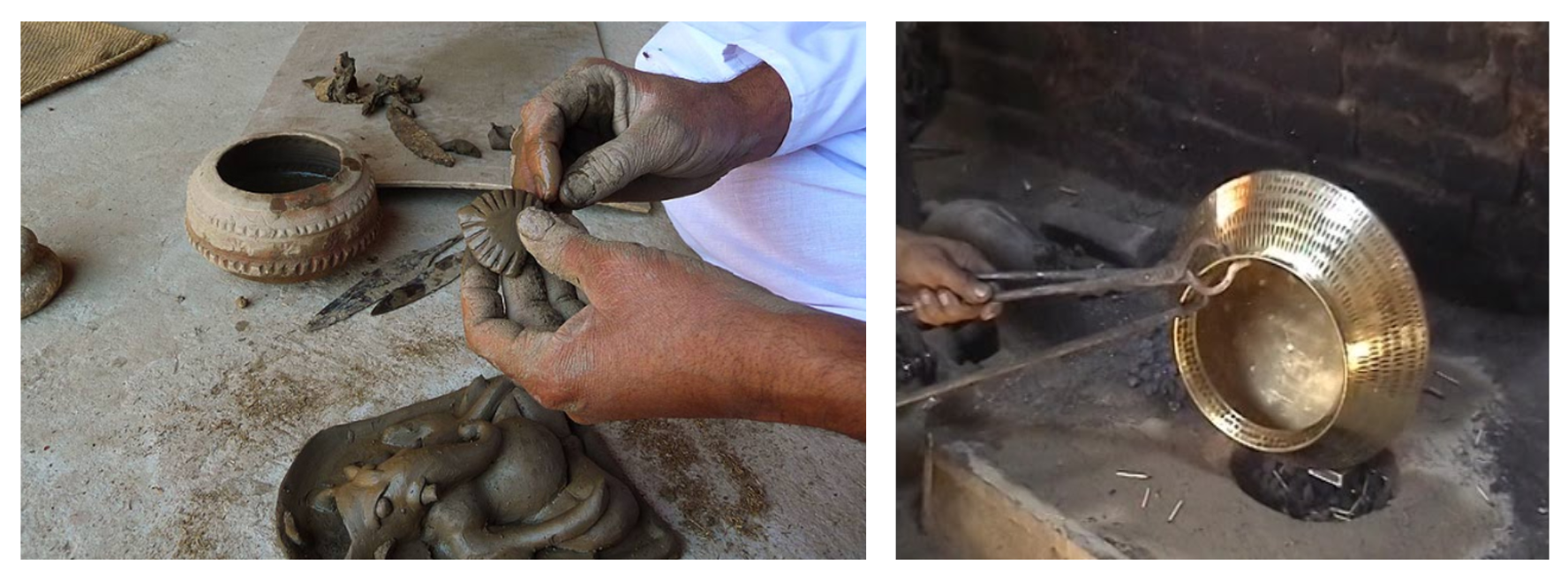
Some crafts are not merely old, they are older than kingdoms, older than empires, and in some cases older than the idea of India itself. In the forests of Bastar, the makers of Dhokra continue practising the ancient lost-wax casting technique believed to date back over four thousand years to the Indus Valley Civilization. In Punjab, the Thatheras of Jandiala Guru still shape brass and copper vessels entirely by hand using techniques recognised by UNESCO as part of Humanity's Intangible Cultural Heritage, even as factory-made alternatives steadily replace them. In Swamimalai, Tamil Nadu, bronze casters continue creating sacred sculptures using a process in which every wax mould is destroyed after casting, ensuring every sculpture is completely unique. Meanwhile, in Molela, Rajasthan, artisans still handcraft terracotta plaques depicting village deities and local folklore, preserving an artistic language that has quietly survived for centuries despite rapidly shrinking demand.
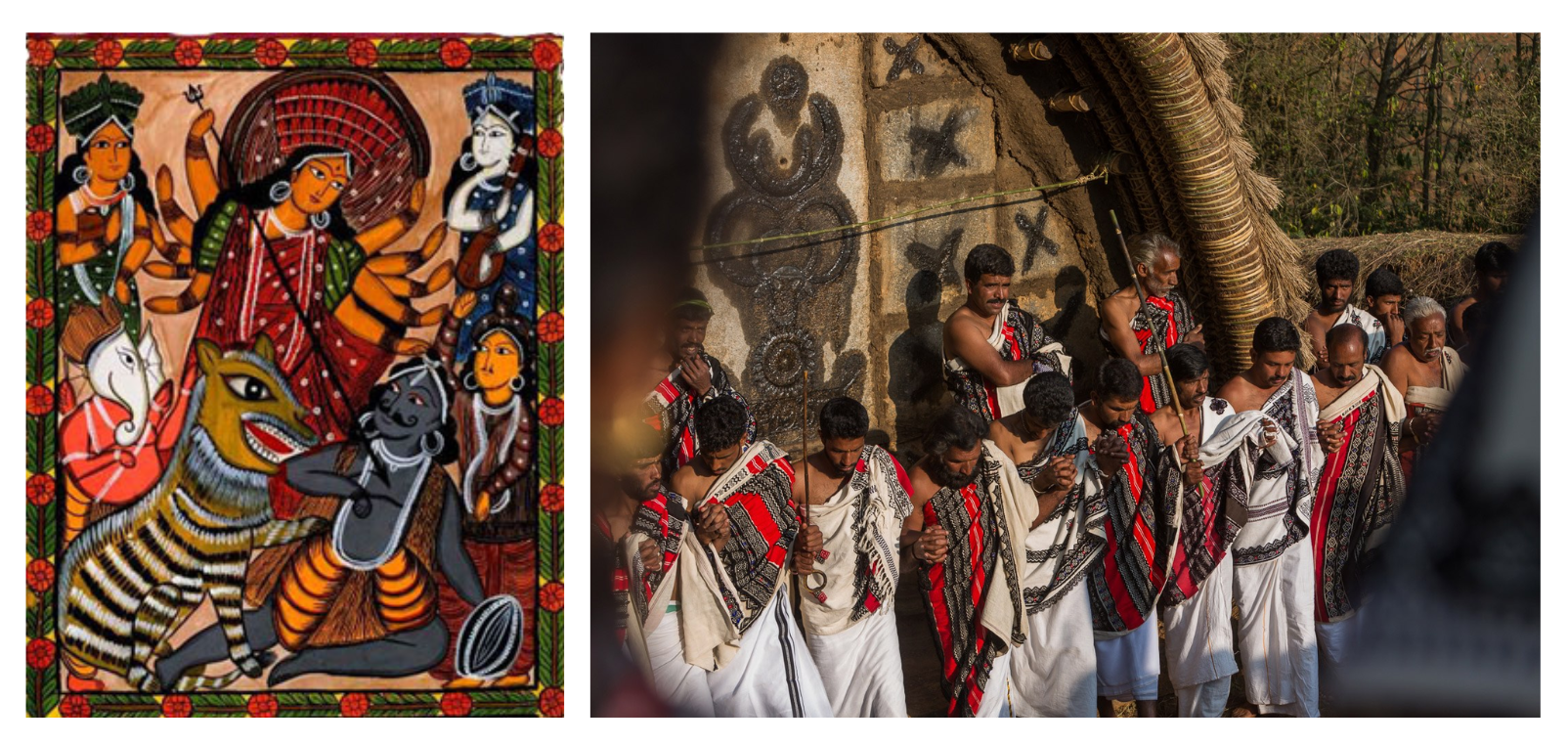
Other traditions carry something even more fragile than technique—they carry identity itself. High in the Nilgiri Hills, the Toda community continues practising an embroidery tradition whose geometric patterns are counted stitch by stitch rather than drawn, preserving stories, beliefs, and cultural memory through cloth. In the villages of West Bengal, the Chitrakars do more than paint scrolls; they sing them. As painted scrolls are slowly unfurled, every image is accompanied by songs passed orally from one generation to the next, making performance inseparable from the artwork itself. Across Odisha, artists continue creating Pattachitra, intricate narrative paintings that once served as portable storytelling long before books or cinema reached rural communities. In Karnataka, the craftsmen of Channapatna transform locally grown wood into brilliantly lacquered toys using techniques introduced centuries ago through cultural exchange, creating objects that have become symbols of an entire region's identity.
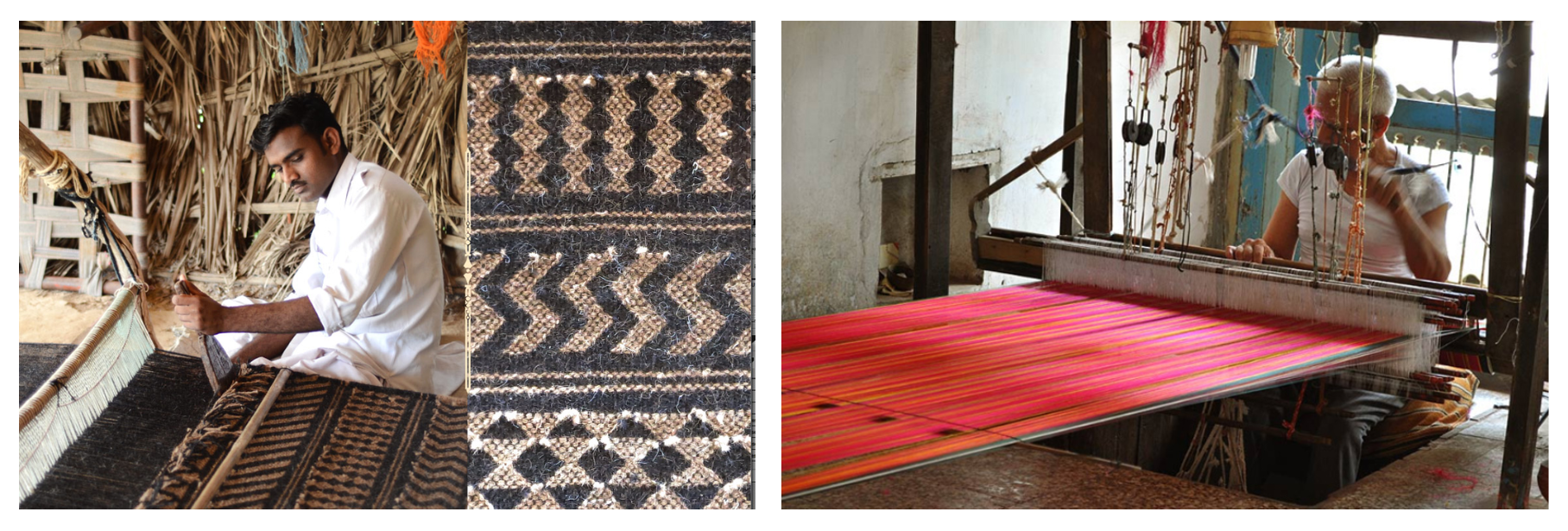
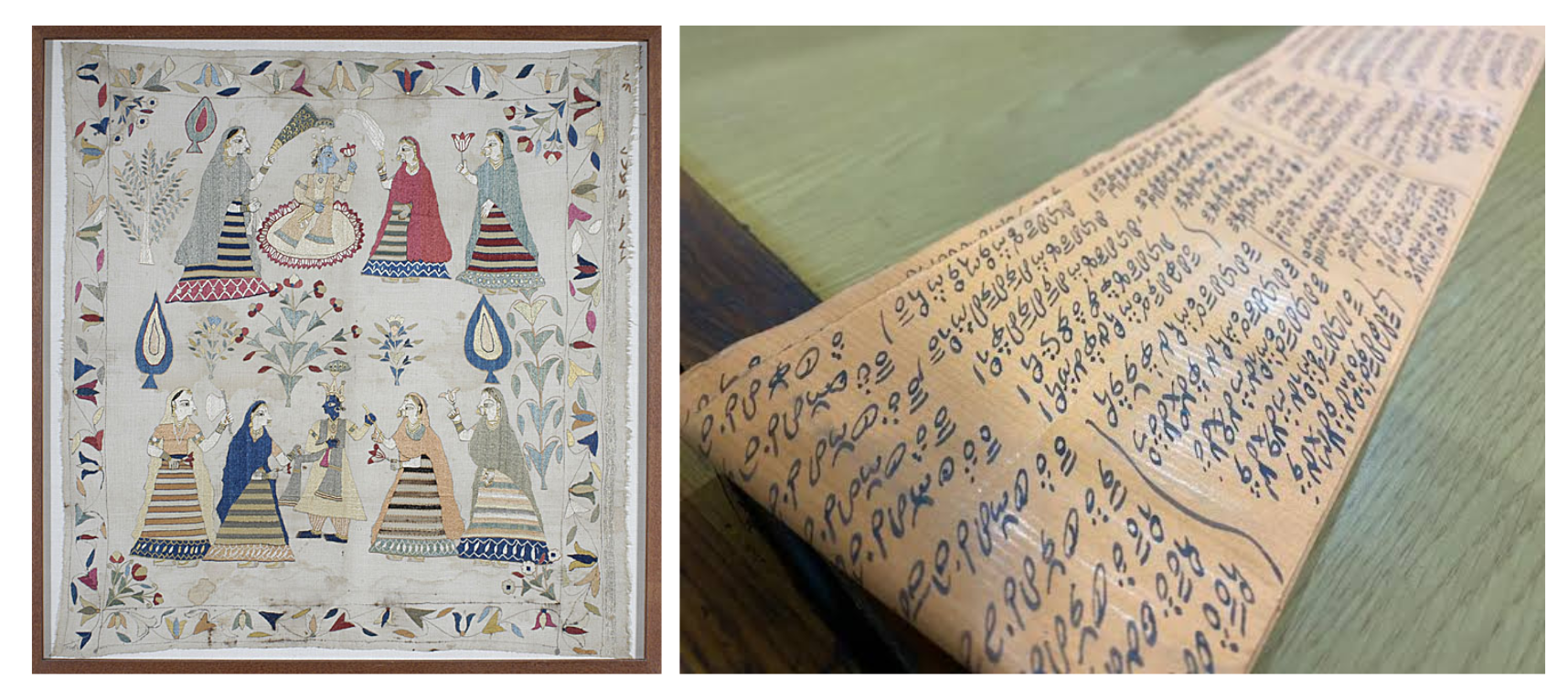
Some crafts exist only because of the landscapes that gave birth to them. Across Nagaland, Mizoram, and the Northeast, artisans transform bamboo and cane into homes, furniture, baskets, tools, and musical instruments using knowledge refined over countless generations. In Gujarat, the intricate tradition of Mashru weaving emerged as a creative solution to cultural practices surrounding silk, blending cotton and silk into luxurious fabrics unlike any produced elsewhere. The rare Kharad weaving tradition of Kutch still produces dense woollen floor coverings on foot-operated looms that once travelled with nomadic pastoral communities across western India. In Himachal Pradesh, the delicate Chamba Rumal embroidery tradition transforms fine hand-stitching into narrative works of art that resemble miniature paintings more than textiles, preserving stories in thread rather than ink.
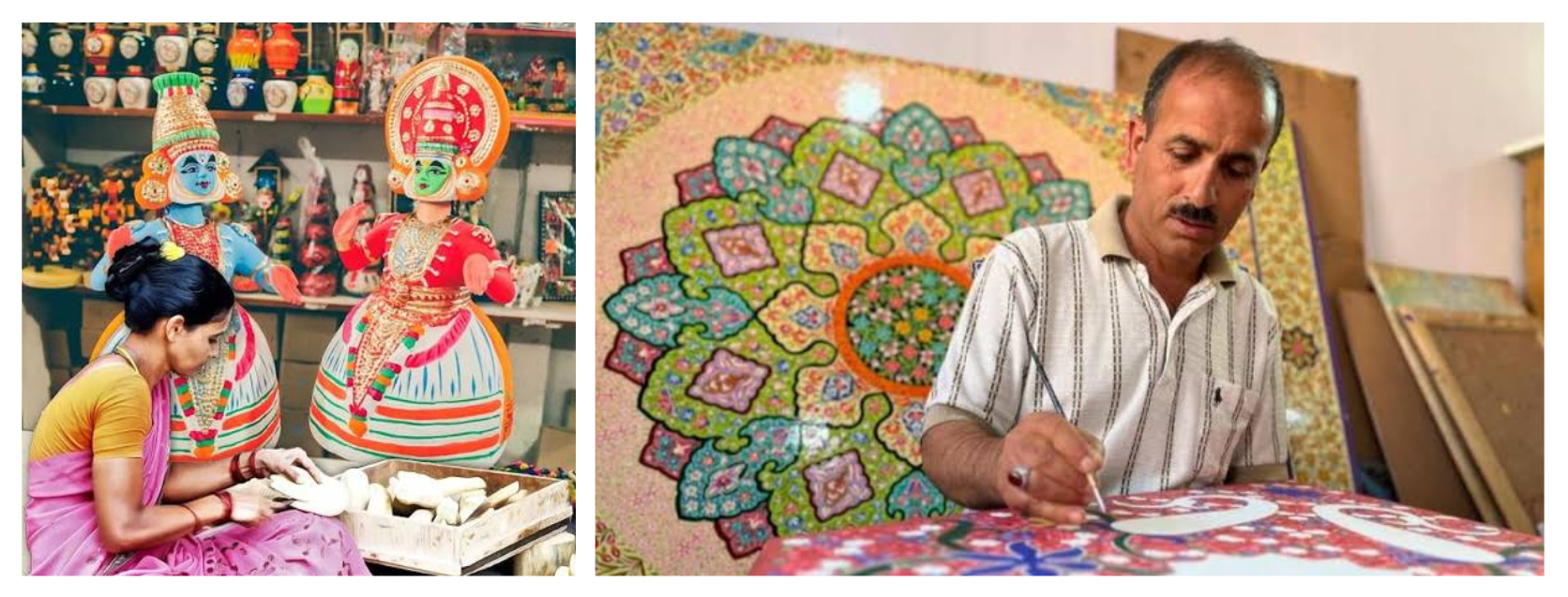
Then there are the crafts whose greatest masterpieces are invisible. The makers of Bidri in Karnataka continue producing striking black metalware using a centuries-old technique that depends on a rare soil collected from the historic Bidar Fort. In Andhra Pradesh, artisans of Etikoppaka still colour handcrafted wooden toys using natural lac and vegetable dyes rather than synthetic paints. The master craftsmen of Kashmir Papier-Mâché spend months transforming waste paper into beautifully painted decorative objects through techniques refined over hundreds of years. Nearby, the artisans of Kondapalli continue carving softwood into vibrant figurines using traditional methods that have survived for more than four centuries. None of these traditions can simply be reverse-engineered once lost. Their greatest value lies not in the finished object but in the years of observation, repetition, experimentation, and mentorship required to master them.
Perhaps this is the greatest misunderstanding about endangered crafts. We often believe we are trying to save beautiful objects. In reality, we are trying to preserve ways of thinking. Ways of solving problems. Ways of understanding materials. Ways of observing the world. Every traditional craft contains generations of experimentation, innovation, and accumulated wisdom that cannot simply be recreated from a manual or preserved inside a museum. Much of this knowledge has never been formally documented because it was always meant to be taught through watching, practising, failing, and trying again.
The loss of a craft does not happen when the last object is made. It happens when the last apprentice stops learning. Because when the last maker dies, they leave behind far more than an empty workshop. They take with them an entire library that was never written down, a language that was never recorded, and a way of seeing the world that may never exist again.
This is precisely why documenting artists matters. Every conversation, every workshop, every photograph, every film, and every story becomes part of preserving something that cannot be replaced. At HobbyMela, we believe the future of Indian craft does not depend only on protecting finished objects. It depends on celebrating the people behind them, inspiring new makers to learn, and ensuring that the knowledge carried in one pair of hands finds its way into another.
Because perhaps the greatest cultural tragedy is not when a craft disappears.
It is when the last person who knew how to make it is remembered only after they are gone.
At HobbyMela, we’re building a platform around this instinct, a craft ecosystem where India’s makers find visibility, community, and a stage worthy of the work their hands produce. If your hands have been idle for too long, this is your invitation to use them again.
Follow HobbyMela on Instagram and Linkedin
Subscribe on https://www.youtube.com/@hobbymela
Read more at hobbymela.com