
8 min read
The Neuroscience of Making
Why Your Brain Enters a Different State When Your Hands Create.
A hundred thousand years ago, we were starting from nothing.
No tools, no language, no rules. And no certainty - no knowing if tomorrow would come.
Your senses were your only weapon and shield. The sound of hooves on grass could tell friend from foe. The hiss of a snake told you when to freeze. Knowing the smell of certain plants kept you alive a little longer. In this brave new world, everything was being tried for the first time, everything was a risk, anything could kill you. Survival first, then sustenance, then maybe art and creativity - that’s the expected trajectory.
And yet, in the caves where these people sheltered and fought for their lives, archaeologists keep finding the same thing.
Art.
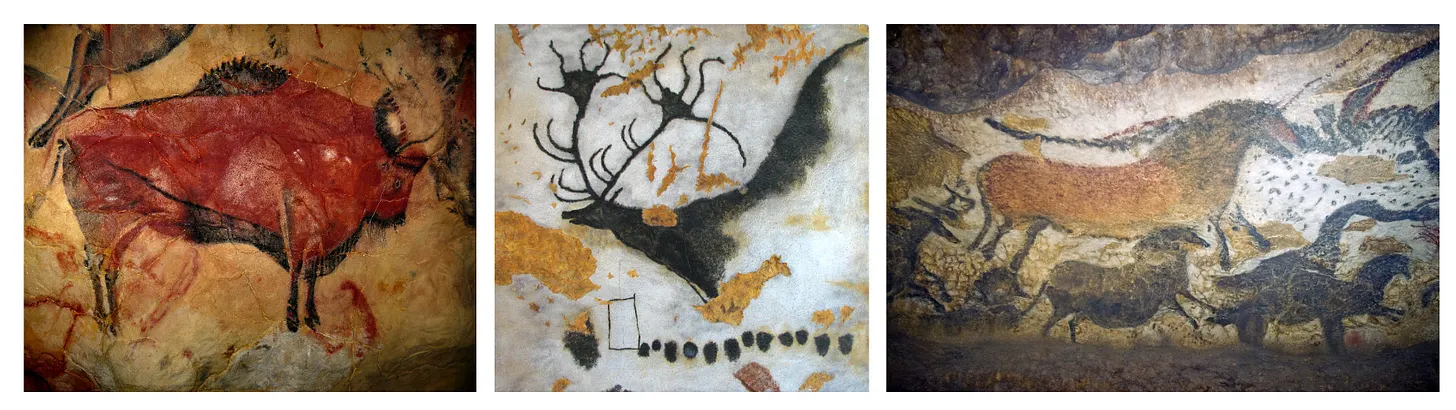
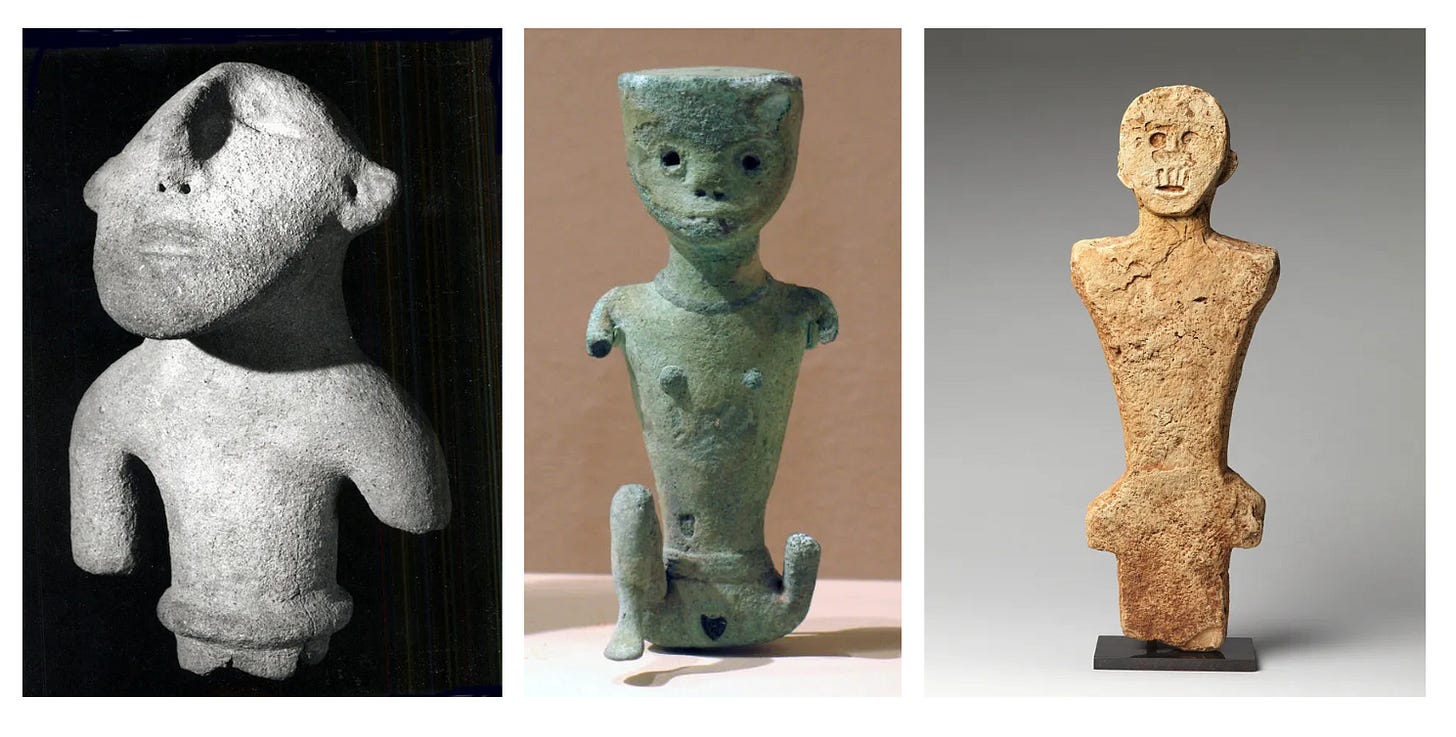
Carved into stone walls. Pressed into clay. Scratched with the tips of bones. Made by people who had every reason to spend their energy on survival and none on beauty - but who made it anyway. If we go by Maslow’s theories, there should be no space for something as esoteric as art in those crazy times. Yet, art provided something survival alone couldn’t - a way to make sense of a world that made no sense. The tools and skill didn’t matter. It was our first attempt at creating, communicating, and unwittingly recording history. We were building a guide for future generations.

The Bhimbetka caves in Madhya Pradesh hold paintings that are over 30,000 years old - figures of animals, hunts, daily life, rendered with care and intention by hands that had far more urgent things to do. Similar marks have been found in Lascaux in France, Altamira in Spain, Sulawesi in Indonesia. Across every continent, in every era, humans facing the hardest conditions imaginable still chose to create.
Which raises a question worth sitting with: why?
Why would a species fighting for survival waste time making things that serve no practical purpose?
The answer, it turns out, is that making things isn’t a waste of time at all. It might be one of the most important things our brains do.
You don’t have to visit these caves to know the art (though everyone who can, must - at least once in their lives). It’s not only etched in the caves, it’s etched into our psyche. And when anyone creates, they’re continuing something that started on those walls, inspired by it, paying tribute to it, whether they know it or not. Not always in an obvious way, but if you stop to look close enough, you will see it.
The hands that shaped us
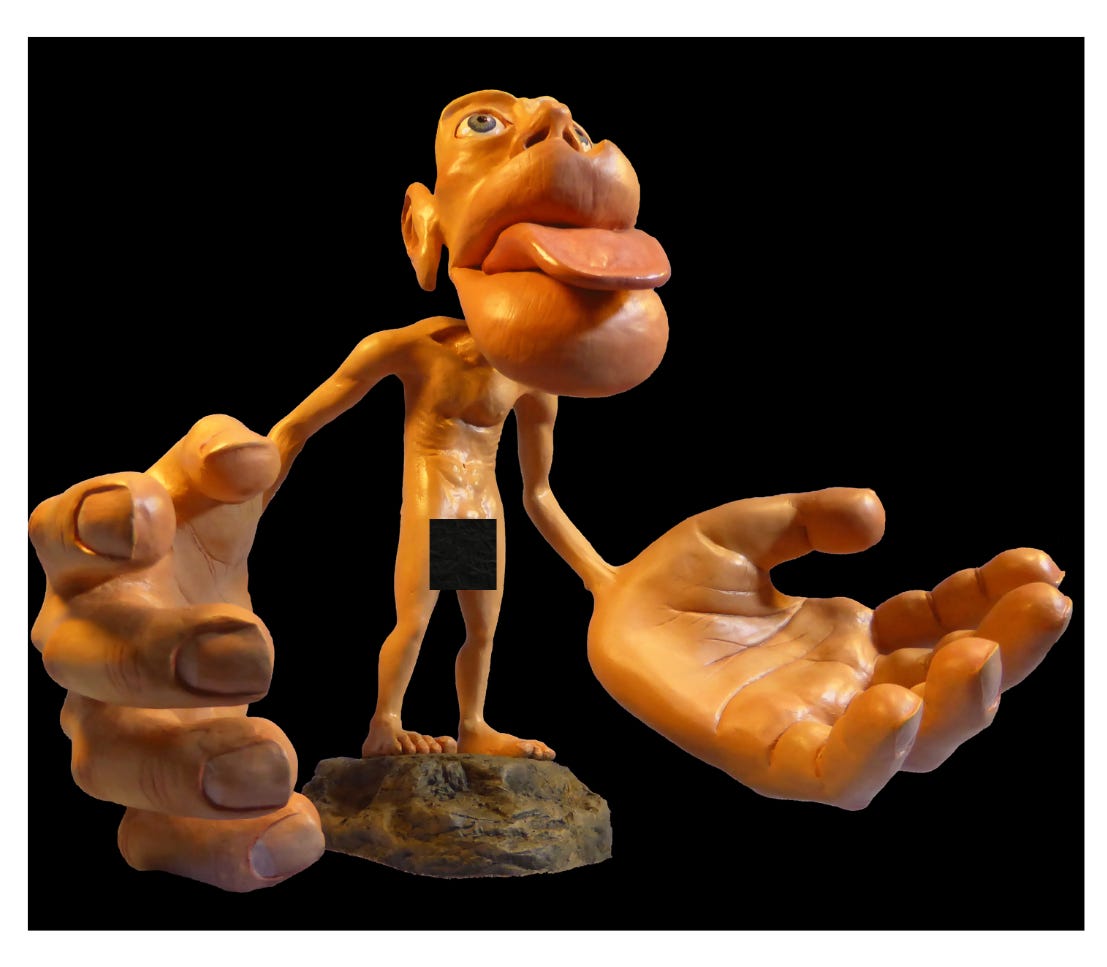
There’s a famous illustration in neuroscience called the cortical homunculus - a map of the human body drawn in proportion to how much brain space each part occupies. The result is grotesque: tiny legs, a modest torso, and enormous, oversized hands. Our brains devote a disproportionate amount of processing power to our fingers and palms.
This isn’t an accident. It’s a record of what made us human.
Some researchers argue that the development of tool-making played a crucial role in the evolution of human intelligence itself. Shaping a stone into a blade requires planning, sequencing, fine motor control, and pattern recognition - the same cognitive skills that would later produce language, architecture, and mathematics. We didn’t become intelligent and then start making things. We may have become intelligent because we started making things.
It explains why our hands remain restless even now. We doodle in meetings, trace invisible patterns on desks, draw faces in fogged-up windows. Children don’t need to know art to reach for crayons - it’s intrinsic. Across every culture and every century, the instinct to make something with our hands persists, not because we’re taught to, but because it’s wired into us.
What happens when you stop
Modern life is built around convenience. Entertainment arrives with a tap. Communication requires no paper, no pen, no stamp. Most of us spend our working hours moving information between screens with our fingertips, which - from the brain’s perspective - is a remarkably narrow use of the most sophisticated tools evolution has ever produced.
This isn’t a lecture about screen time. Technology has made life better in countless ways. But there’s a specific neurological cost to hands that spend most of their day scrolling and typing rather than shaping, stitching, carving, or folding.
Neuroscientist Dr. Kelly Lambert has spent years studying what she calls “effort-driven rewards” - the brain’s tendency to place special value on outcomes we physically help create. Her research shows that when our hands produce something tangible, it activates a circuit connecting the prefrontal cortex (planning), the striatum (motivation and reward), and the motor system. The result is a sense of satisfaction that passive consumption - watching, scrolling, streaming - simply cannot replicate.
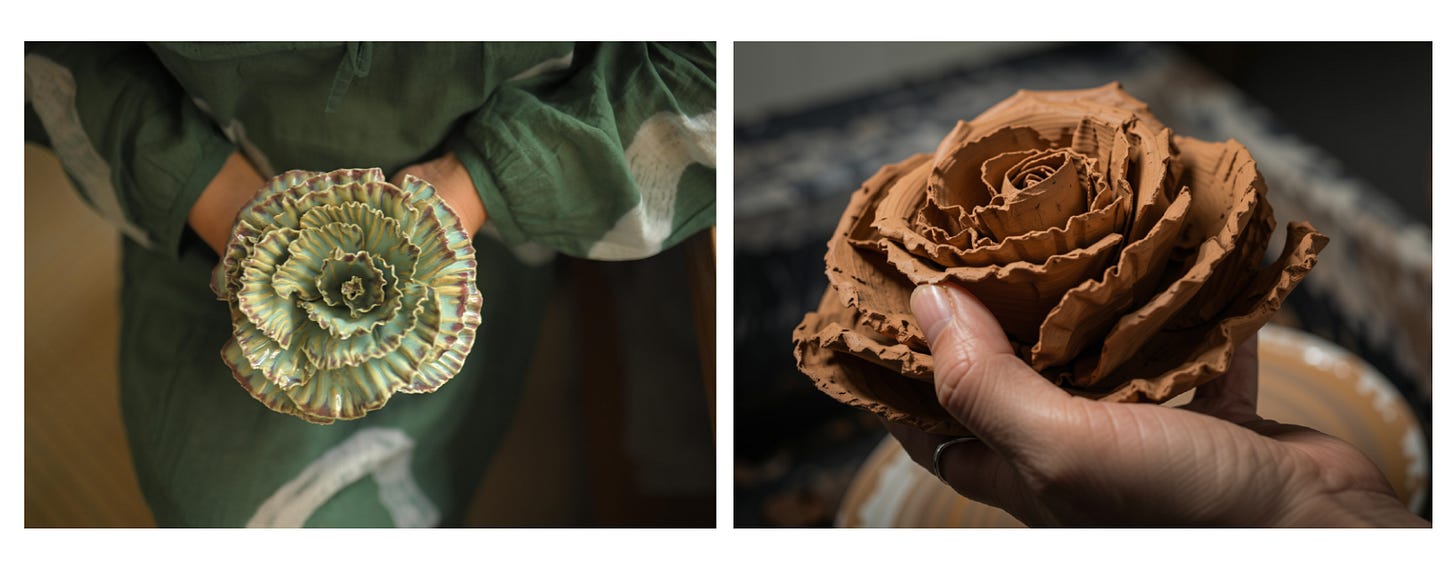
This is why assembling flat-pack furniture feels disproportionately satisfying. Behavioural scientists Michael Norton, Daniel Mochon, and Dan Ariely gave this phenomenon a name: the IKEA Effect. We place greater value on things we helped build, even when the result is imperfect. The bookshelf that leans slightly left. The first ceramic mug that’s too thick on one side. The scarf with an uneven stitch in the third row. None of them are perfect. All of them mean more than something we bought, finished, off a shelf.
The product may be the point, but the effort is the satisfaction.
The state your brain is looking for
In the 1970s, psychologist Mihaly Csikszentmihalyi began studying what happens when people become so absorbed in a task that time disappears. He called it flow state - that feeling when you look up from what you’re making and realise hours have passed without you noticing.
It happens to potters whose hands shape clay without conscious instruction. To knitters whose needles move in a rhythm that no longer requires thought. To quilling artists who roll paper strips into shapes so intricate they forget the room exists.
The noise of the world - the phone, the inbox, the anxious hum of everything you haven’t done yet - goes quiet. Not because you blocked it out, but because your hands gave your brain something better to focus on.
Csikszentmihalyi identified the conditions:
- Challenge: the task must be challenging enough to hold attention but familiar enough not to overwhelm.
- Feedback: there must be clear, immediate feedback - the clay responds, the stitch holds, the colour spreads.
- Purpose: the activity must have intrinsic purpose - you’re doing it because it matters to you, not because someone assigned it.
Handcraft meets all three conditions almost by default. Which is why makers across every medium describe the same experience: time collapses, the world narrows to the material and the hands, and something that feels like peace settles in.
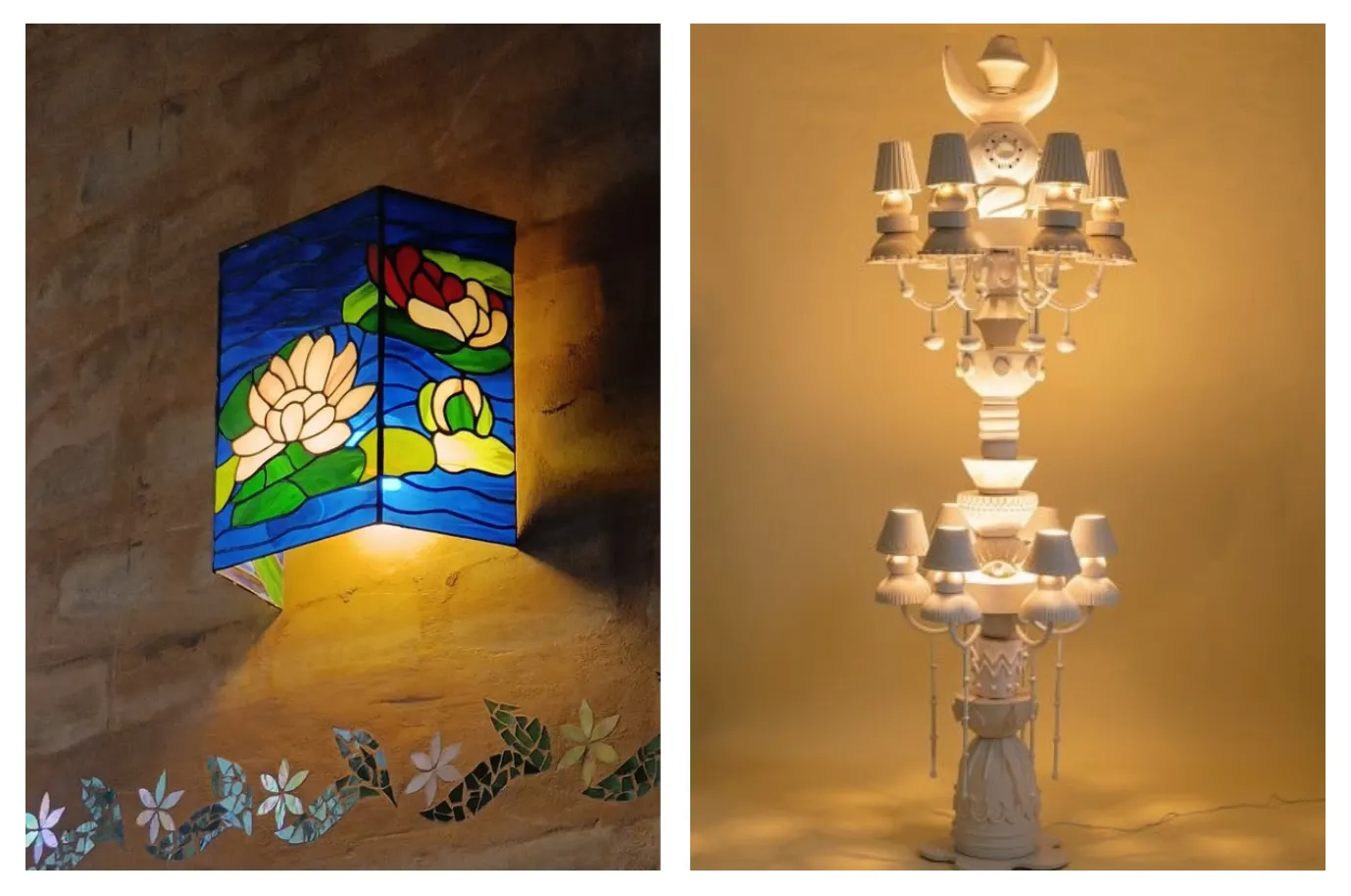
The ancient Indians had a word for this long before Western psychology caught up. In Patanjali’s Yoga Sutras, written over two thousand years ago, dharana describes the practice of fixing the mind entirely on a single point of focus. It wasn’t meditation in the way we think of it now - sitting still with closed eyes. It was active, engaged, absorbed concentration. The kind that happens naturally when your hands are making something.
It doesn’t require talent
But here’s the thing about flow, and dharana, and every maker who’s described this feeling - none of them were born knowing how to do it. They all started clumsy. They all started uncertain. They started anyway.
There’s a persistent belief that art belongs to artists - that you need training, talent, or at minimum some natural ability before you’re allowed to pick up a brush or shape a piece of clay. This belief keeps people on the sidelines of their own creativity for years, sometimes for life.
The science says otherwise.
Researchers at Drexel University found that just 45 minutes of creative activity significantly reduced cortisol - the body’s primary stress hormone - regardless of the participants’ artistic skill level. Not trained artists. Not gifted hobbyists. Anyone. The neurological benefits of making things with your hands have nothing to do with how good the result looks.
The cave painters had no training, no technique, no tradition to follow. They were the first. Every scratch on those walls was a step toward becoming the species we are now.
The uneven pot matters as much as the perfect one. The wobbly stitch regulates your nervous system just as effectively as the flawless one. The act of creation is the medicine, not the output.
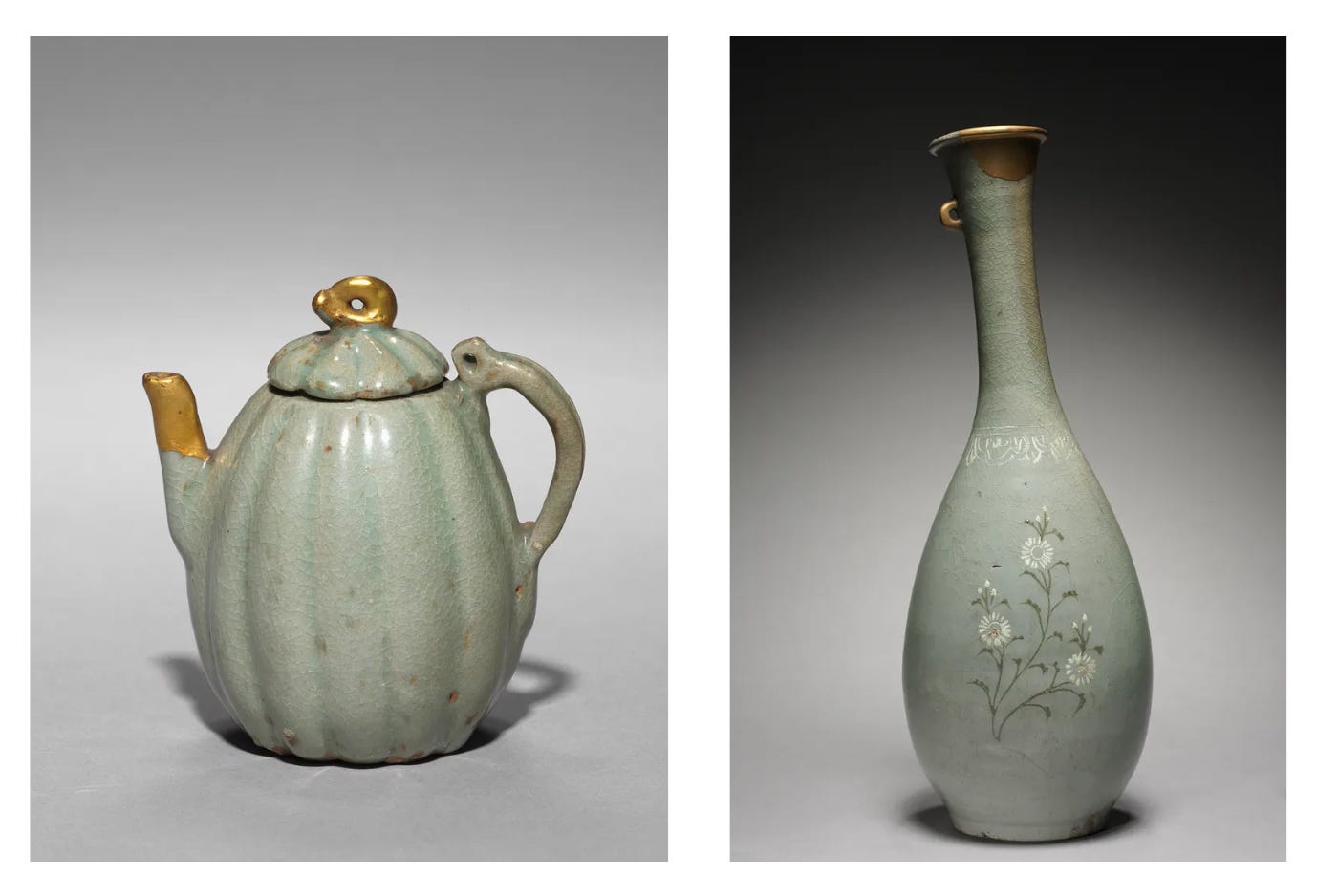
Japan understood this centuries ago. The concept of wabi-sabi - finding beauty in imperfection - isn’t just an aesthetic philosophy. It’s a recognition that the value of handmade work lives in the making, not in the made.
The oldest conversation
Here is what’s remarkable about the cave paintings at Bhimbetka, at Lascaux, at every site where early humans left their marks.
They weren’t creating for an audience. They had no concept of a museum, a gallery, or a social media feed. They didn’t know that 30,000 years later, someone would stand in front of their work and try to understand it. They weren’t making history. They were making art - because making things is what humans do when they need to process the world, find meaning in chaos, or simply feel alive for a moment.
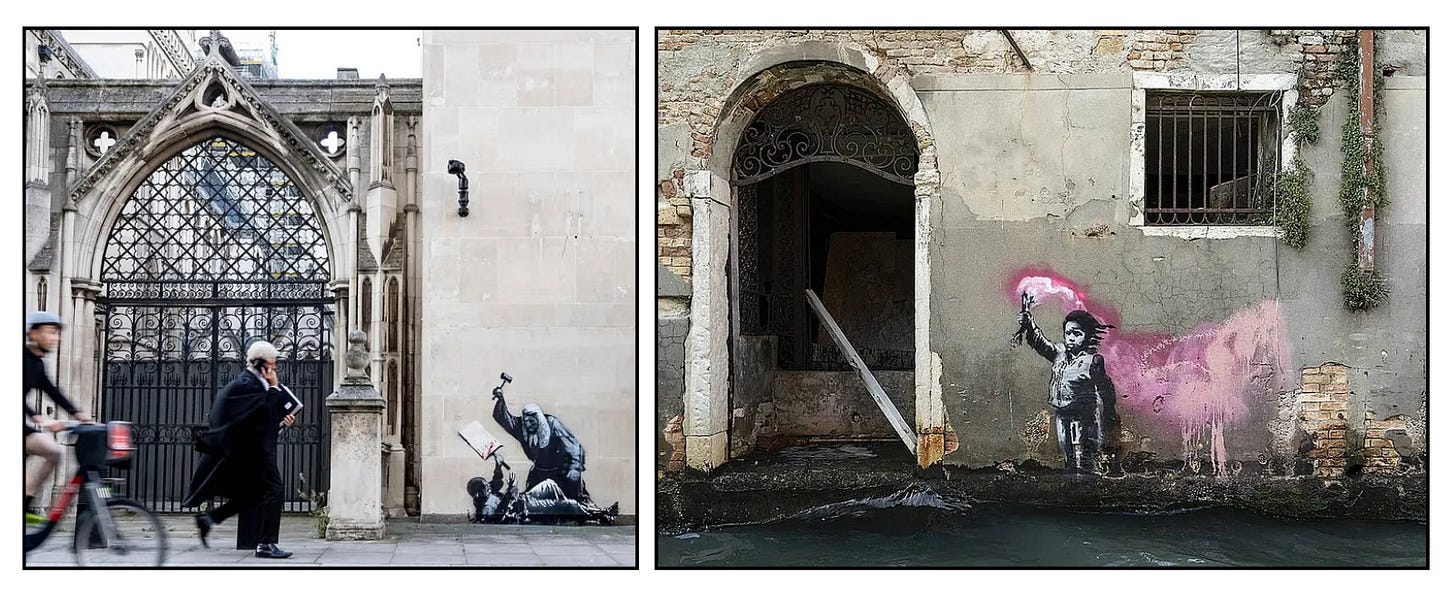
That instinct hasn’t changed. The context, the tools, and everything around us have. But the fundamental impulse to pick up something and shape it into something else, is the same one that moved a hand across a cave wall in the dark or moves a modern graffiti artist like Banksy.
Every time someone sits at a potter’s wheel, threads a needle, pours resin into a mould, or folds a sheet of paper into something that didn’t exist five minutes ago, they’re continuing a conversation that began before language, before cities, before civilisation itself.
The question isn’t whether you’re creative enough to join that conversation.
The question is why you stopped.
Follow HobbyMela on Instagram and Linkedin
Subscribe on https://www.youtube.com/@hobbymela
Read more at hobbymela.com