
Art & Craft Heritage3 min read
The Global Revival of Handcrafts
As technology accelerates, people around the world are rediscovering the value of making by hand. From Japan’s Mingei Movement to today’s global Maker Movement and India’s growing craft community, handcraft is becoming a powerful expression of connection, creativity, and human skill.
Something strange is happening.
The smarter our technology becomes, the more handmade our lives seem to become.
Pottery studios have waiting lists.
Handwoven textiles are replacing fast fashion.
People are learning woodworking, knitting, and ceramics—not because they have to, but because they want to.
At the exact moment machines have become better than ever at making things, humans are rediscovering the joy of making them by hand.
So what changed?
The story begins nearly a century ago in Japan.
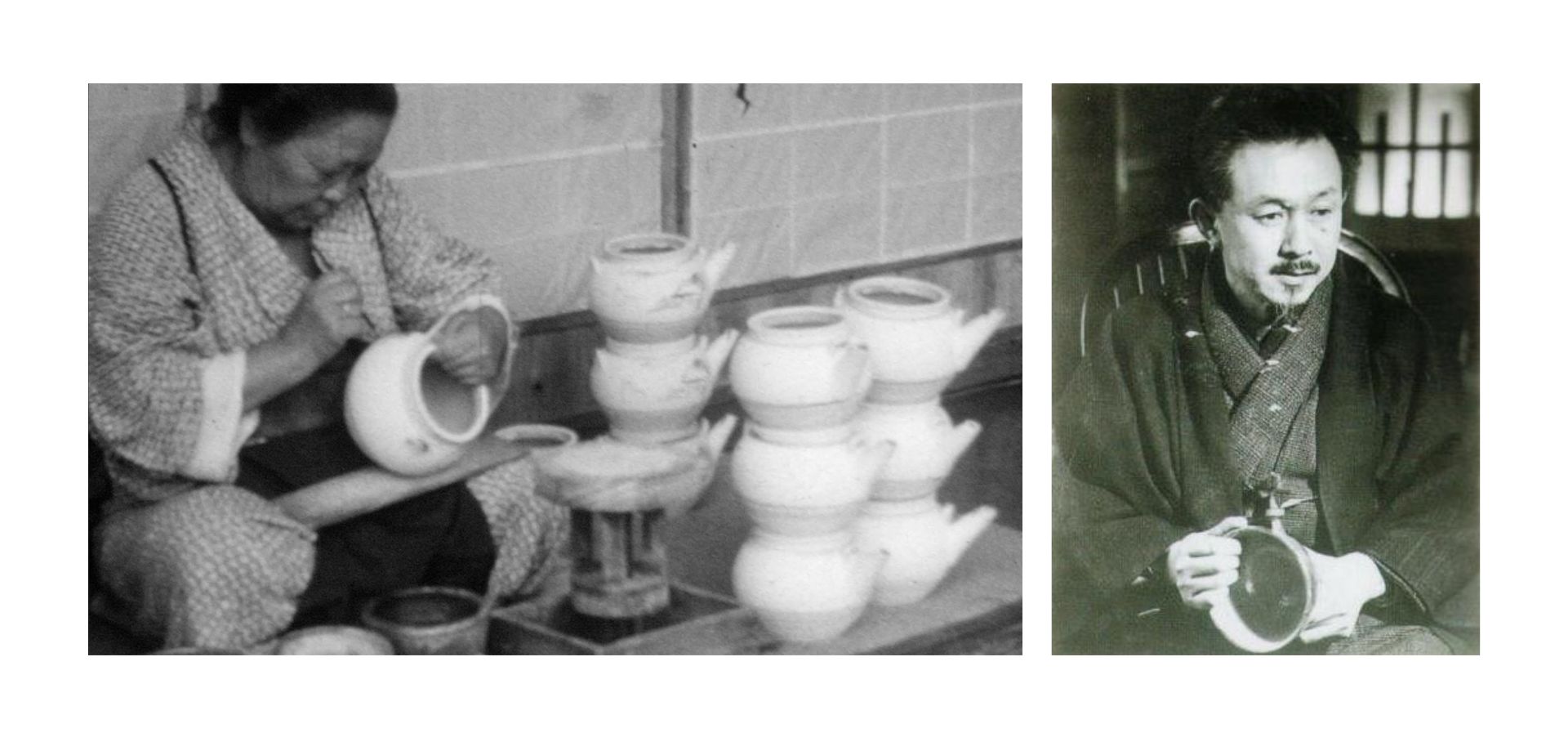
In the 1920s, as factories rapidly transformed the country, philosopher Soetsu Yanagi noticed something disappearing.
Everyday handmade objects—bowls, baskets, teapots, textiles—were being replaced by identical machine-made products.
While most saw this as progress, Yanagi saw something being lost.
He founded the Mingei Movement, meaning "the art of ordinary people."
His belief was simple but revolutionary:
The value of a handmade object lies not in its perfection, but in the humanity of the hands that made it.
At a time when the world was racing toward industrialization, Japan quietly began protecting its makers.
Nearly a hundred years later, the rest of the world seems to be arriving at the same conclusion.
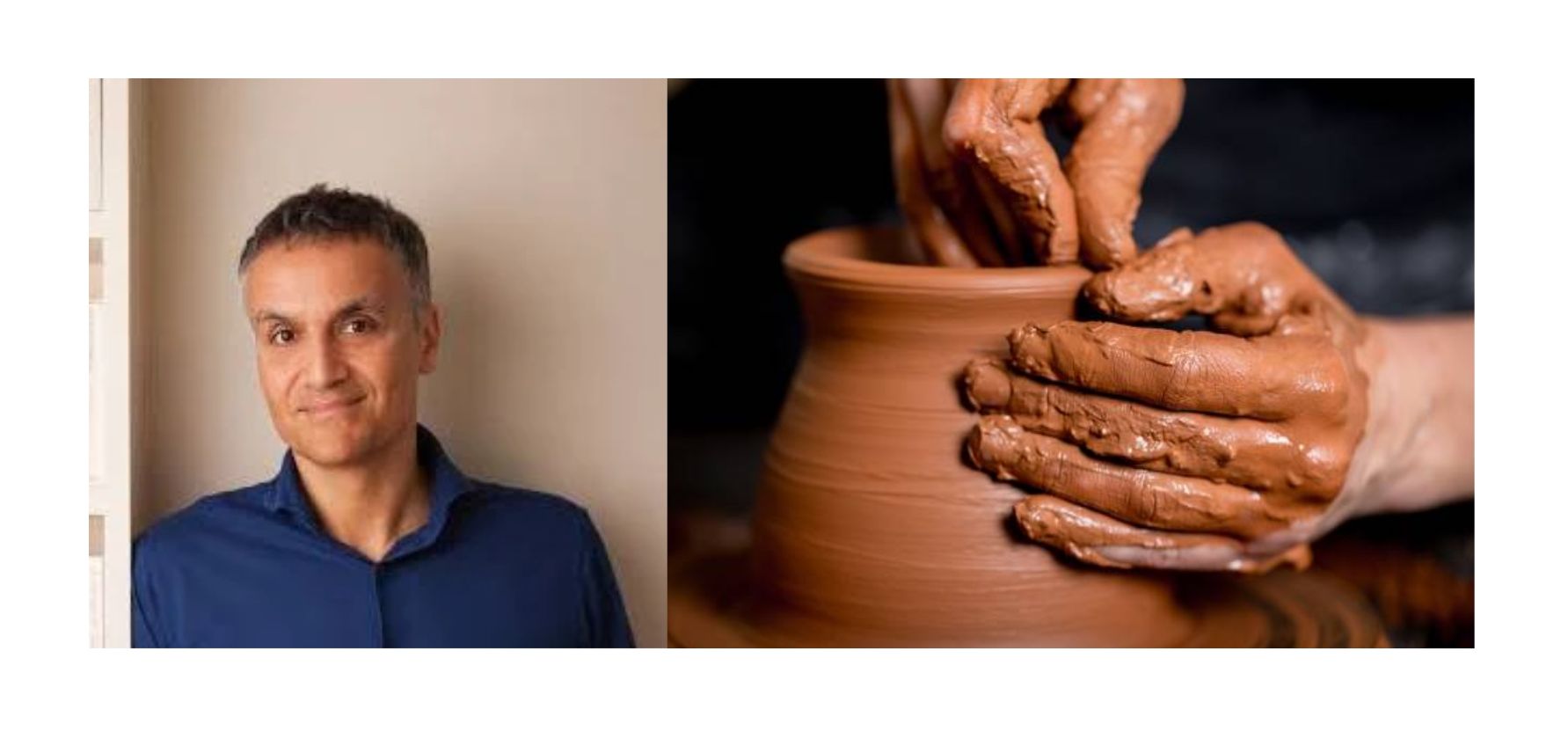
Journalist Carl Honoré, who popularized the Slow Movement, argues that modern life has become obsessed with speed—but humans haven't.
Across the world, people are choosing slow fashion over fast fashion, handmade furniture over flat-packed furniture, and local makers over mass production.
Not because handmade is faster.
Because it feels more meaningful.
The movement didn't stop there.
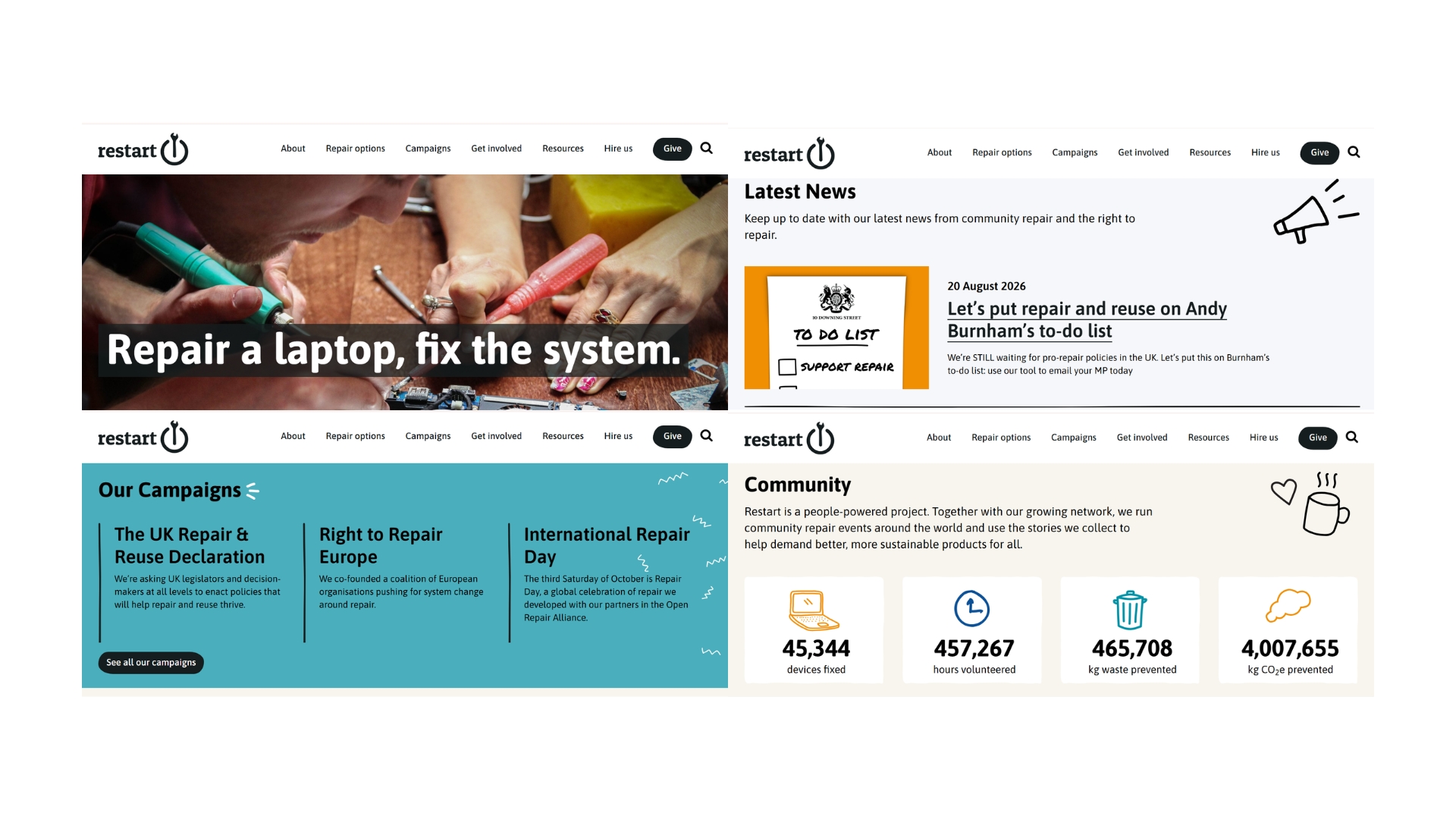
In cities across Europe and North America, Repair Cafés began appearing.
Instead of throwing away broken lamps, clothes, or furniture, people gathered to repair them together.
It wasn't just about saving money.
It was about reconnecting with something modern life had quietly taken away:
An understanding of how things are made.
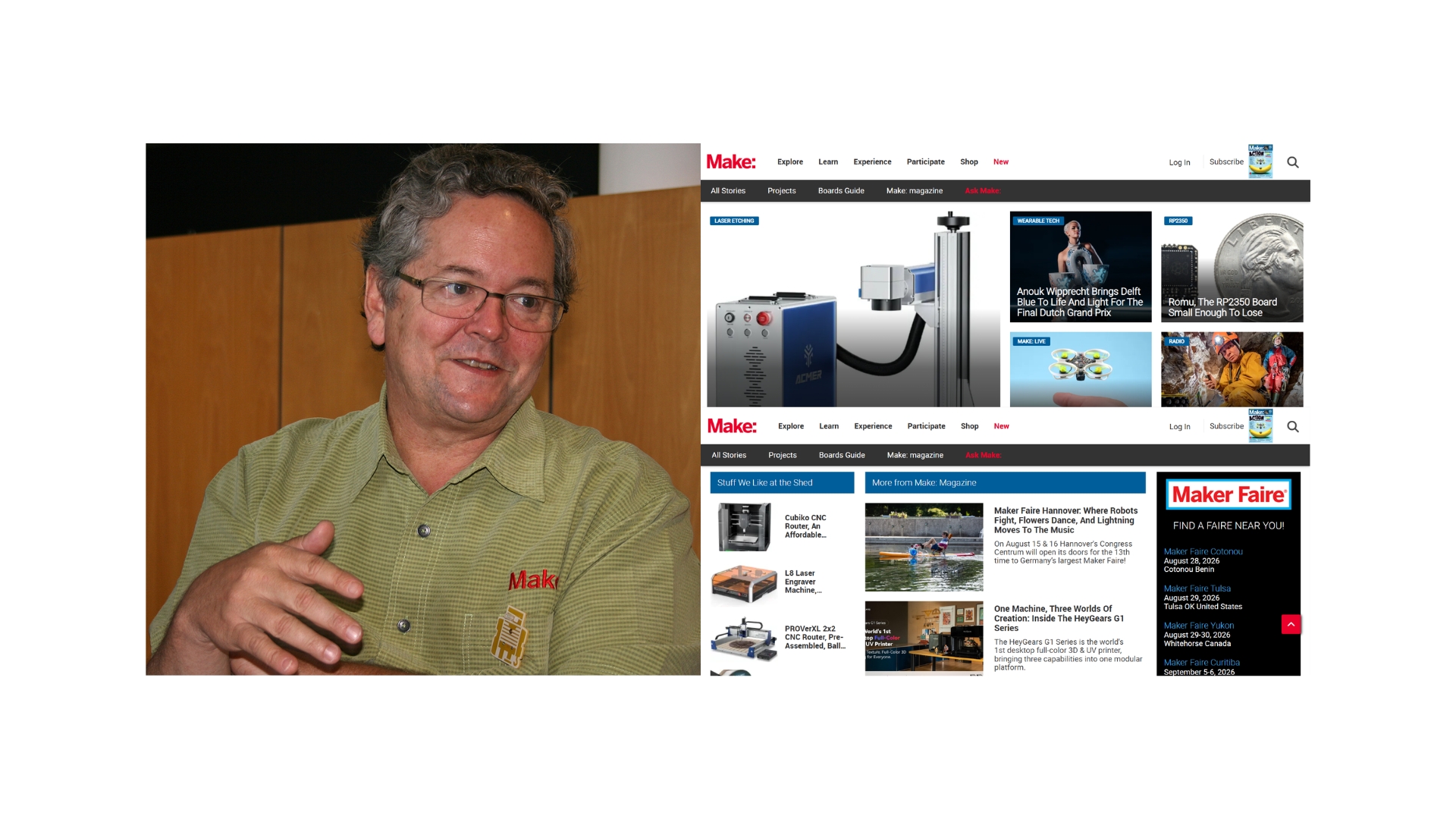
Then came the Maker Movement.
Led by innovators like Dale Dougherty, it encouraged people to stop being passive consumers and become creators again.
Its philosophy wasn't simply Do It Yourself.
It was:
Understand it. Build it. Improve it. Share it.
Making became more than a hobby.
It became a mindset.
And quietly, India has been writing its own chapter.
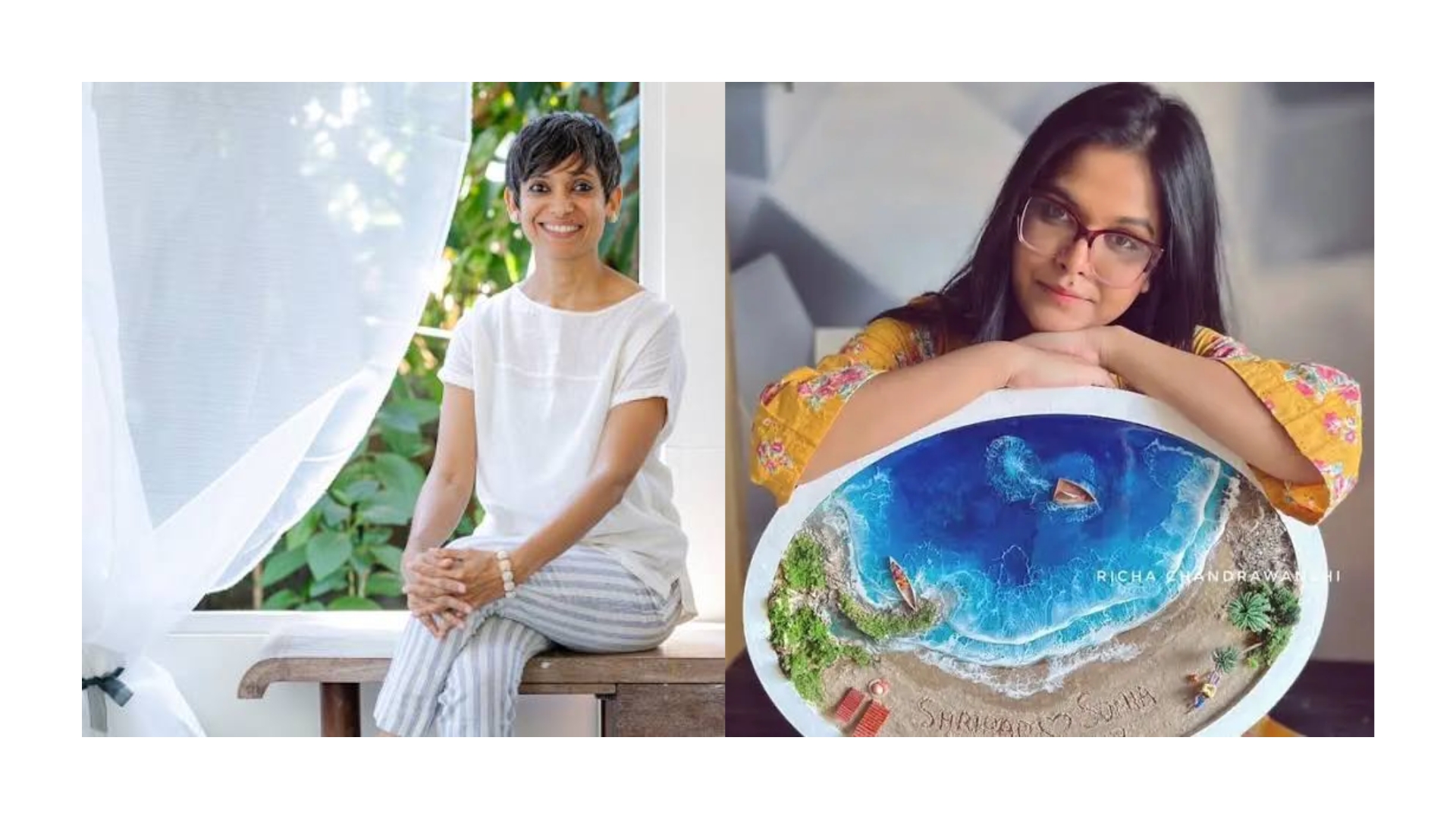
Across Auroville, Jaipur, Bengaluru, Kutch, Kochi and countless other creative hubs, a new generation is returning to old skills with fresh eyes.
Young ceramicists are working alongside traditional potters.
Fashion designers are collaborating with handloom weavers instead of replacing them.
Weekend pottery workshops are full.
Natural dyeing is making a comeback.
Independent craft brands are finding global audiences through digital platforms.
This isn't nostalgia.
It's evolution.
India isn't simply preserving its craft traditions.
It's reimagining them for a new generation.
Perhaps that's what makes this moment so extraordinary.
Japan's Mingei Movement wasn't trying to stop progress.
It was reminding the world that progress doesn't have to come at the cost of humanity.
A century later, that idea feels more relevant than ever.
As artificial intelligence learns to generate images, write stories, and design products, people are searching for something machines cannot replicate:
The fingerprint on a ceramic bowl.
The uneven stitch in a handwoven textile.
The story of the person who made it.
Maybe the global revival of handcraft isn't a reaction against technology.
Maybe it's a reminder that while machines can make products...
Only people can make memories.
And from Japan's Mingei philosophy to India's growing maker movement, the world is slowly rediscovering a timeless truth:
The future may be digital.
But it will always have room for human hands.
Research & References
- Soetsu Yanagi – The Unknown Craftsman (The Mingei Movement)
https://kodansha.us/book/the-unknown-craftsman/ - Carl Honoré – In Praise of Slow
https://www.carlhonore.com - The Restart Project (Repair Café Movement)
https://therestartproject.org - Dale Dougherty – Founder of Make: Magazine & The Maker Movement
https://makezine.com