
3 min read
The Endowment of Meaning
What makes a handmade object truly valuable? Explore how storytelling, heritage, scarcity and authenticity can transform Indian crafts into objects of meaning—and unlock their potential for premium value.
A handmade ceramic cup sits on a shelf.
One person sees a cup worth ₹300.
Another sees a cup worth ₹3,000.
The clay is the same.
The function is the same.
The craftsmanship may even be the same.
So what changed?
The answer reveals one of the most fascinating truths about human behaviour:
People don't assign value to objects. They assign value to meaning.
For years, psychologists and behavioral scientists have studied why certain products command extraordinary prices while others don't.
The obvious answer is quality.
But quality alone rarely explains the difference.
Stanford researcher Jennifer Aaker, known for her work on storytelling and decision-making, found that humans are wired to remember stories far more effectively than facts. A story gives context. It creates emotional connection. It transforms an object from something we buy into something we believe in.
A ceramic cup becomes more valuable when it carries the story of a maker.
A handwoven shawl becomes more valuable when it carries the story of a place.
The object hasn't changed.
Its meaning has.
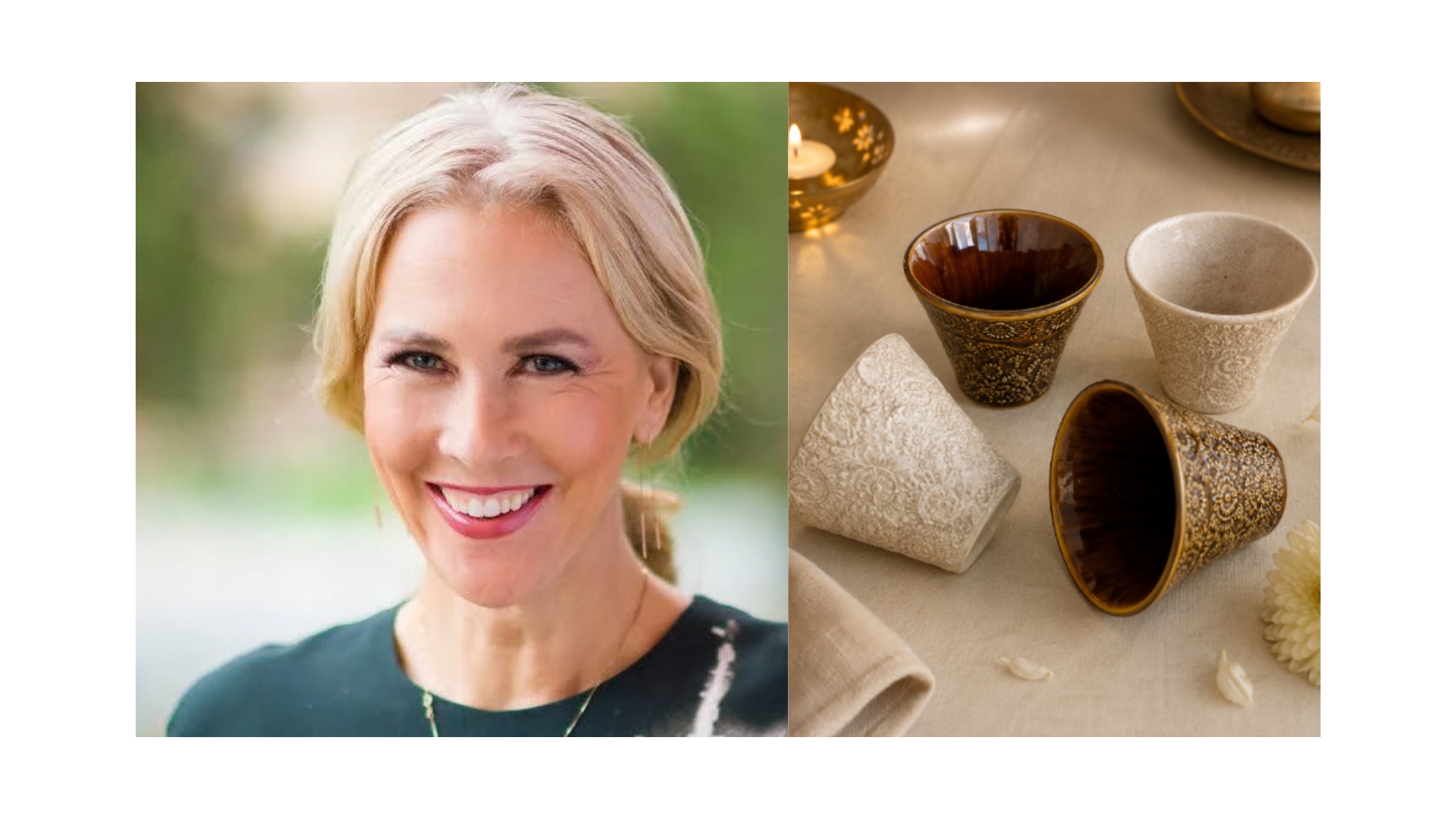
This is where luxury expert Jean-Noël Kapferer enters the conversation.
Kapferer, one of the world's leading researchers on luxury brands, argues that luxury is built on a principle most businesses spend their lives trying to avoid:
Scarcity.
The luxury world doesn't reward standardization.
It rewards distinction.
A luxury object isn't valuable because it can be produced efficiently.
It's valuable because it cannot.
Its imperfections become proof of authenticity.
Its rarity becomes proof of value.
Its story becomes proof of significance.

Which makes India's craft sector a fascinating paradox.
Because many Indian crafts already possess the very qualities luxury brands are desperately trying to create.
Generations of knowledge.
Handmade production.
Regional identity.
Cultural heritage.
Authenticity.
In other words, the raw ingredients of luxury already exist.
What often doesn't exist is the storytelling, positioning, and cultural framing that helps people understand their value.
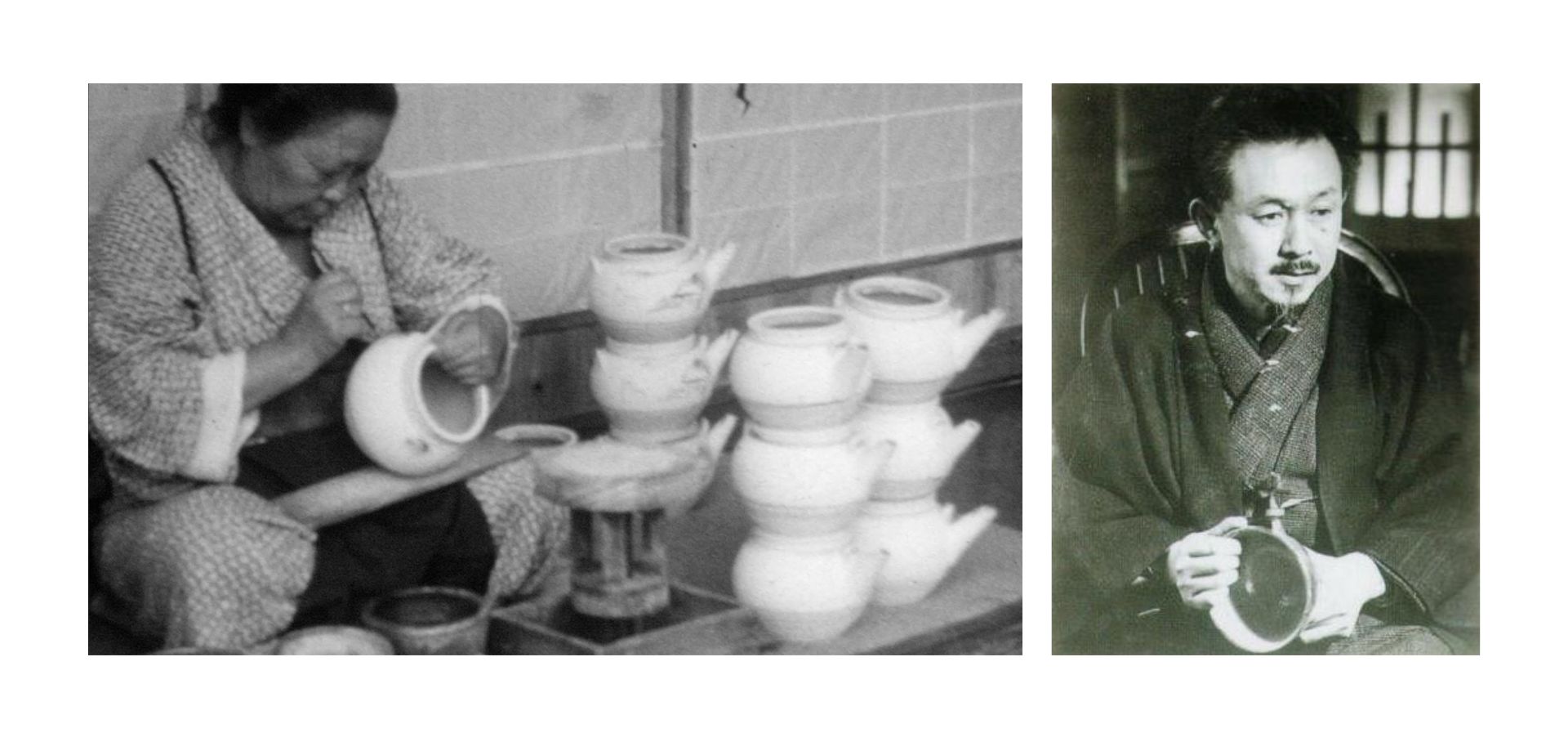
In the early 20th century, Japan faced a similar challenge.
Industrialization was rapidly replacing traditional crafts.
Many feared that folk artisans and handmade traditions would disappear.
Then philosopher Soetsu Yanagi launched what became known as the Mingei Movement.
His argument was radical for its time:
The future of craft wasn't mass production.
It was cultural appreciation.
Instead of competing with factories, crafts needed to be recognised as carriers of identity, beauty, and human skill.
A century later, Japanese ceramics, knives, textiles, and woodworking are celebrated across the world.
Not because they became more industrial.
Because they became more valued.
This brings us to the ₹80,000 crore question.
Can India's craft sector go premium without going corporate?
Can we increase value without increasing volume?
Can we elevate crafts without turning artisans into factories?
Perhaps the answer lies in understanding that premiumization and corporatization are not the same thing.
One is about producing more.
The other is about helping people see more.
More story.
More heritage.
More craftsmanship.
More meaning.
Because at the end of the day, people rarely pay premium prices for products.
They pay premium prices for what those products represent.
And India may already have one of the richest collections of stories in the world.
The opportunity is not to create new meaning.
It's to recognize the meaning that has been there all along.
Research & References
Jennifer Aaker – Why Stories Stick
https://www.gsb.stanford.edu/insights/jennifer-aaker-why-stories-stick
Jean-Noël Kapferer – The Luxury Strategy
https://www.koganpage.com/product/the-luxury-strategy-9780749464912
Soetsu Yanagi – The Unknown Craftsman (Mingei Movement)
https://kodansha.us/book/the-unknown-craftsman/
Pine & Gilmore – The Experience Economy
https://hbr.org/1998/07/welcome-to-the-experience-economy