
4 min read
The British Didn't Come to India for Tea
The British didn't first come to India for tea, they came for textiles. Discover how Indian artisans built one of the world's greatest craft economies, why Europe became obsessed with Indian cloth, and how the pursuit of handmade excellence helped shape the course of history.
When we think about the British Empire in India, tea often comes to mind. We picture sprawling plantations, afternoon tea rituals, and the image of colonial India wrapped around a steaming cup. But history tells a different story.
When the English East India Company first arrived on Indian shores in 1600, it wasn’t chasing tea, railways, or even territory. It was chasing cloth.
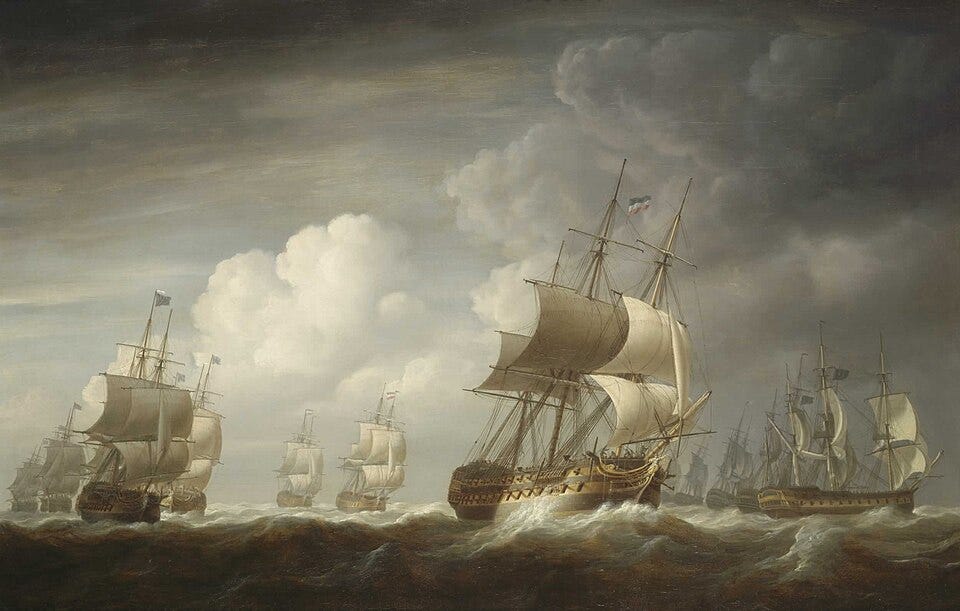
At the time, India was home to one of the most sophisticated textile industries the world had ever seen. From the bustling ports of Gujarat to the weaving centres of Bengal and the Coromandel Coast, Indian artisans were producing fabrics that travelled across Africa, the Middle East, Southeast Asia, and Europe. These weren’t luxury curiosities bought because they were exotic. They were sought after because they were simply better.
By the late seventeenth century, Europe had developed an extraordinary obsession with Indian cotton textiles. These fabrics were lighter than wool, softer than linen, easier to wash, and carried colours so vibrant that European dyers struggled to reproduce them. Indian artisans had spent centuries perfecting spinning, weaving, natural dyeing, and block-printing techniques, creating textiles that combined beauty with remarkable craftsmanship. The result was one of the earliest examples of a truly global consumer craze. Whether in London, Amsterdam, or Paris, people wanted the same thing: Indian cloth.
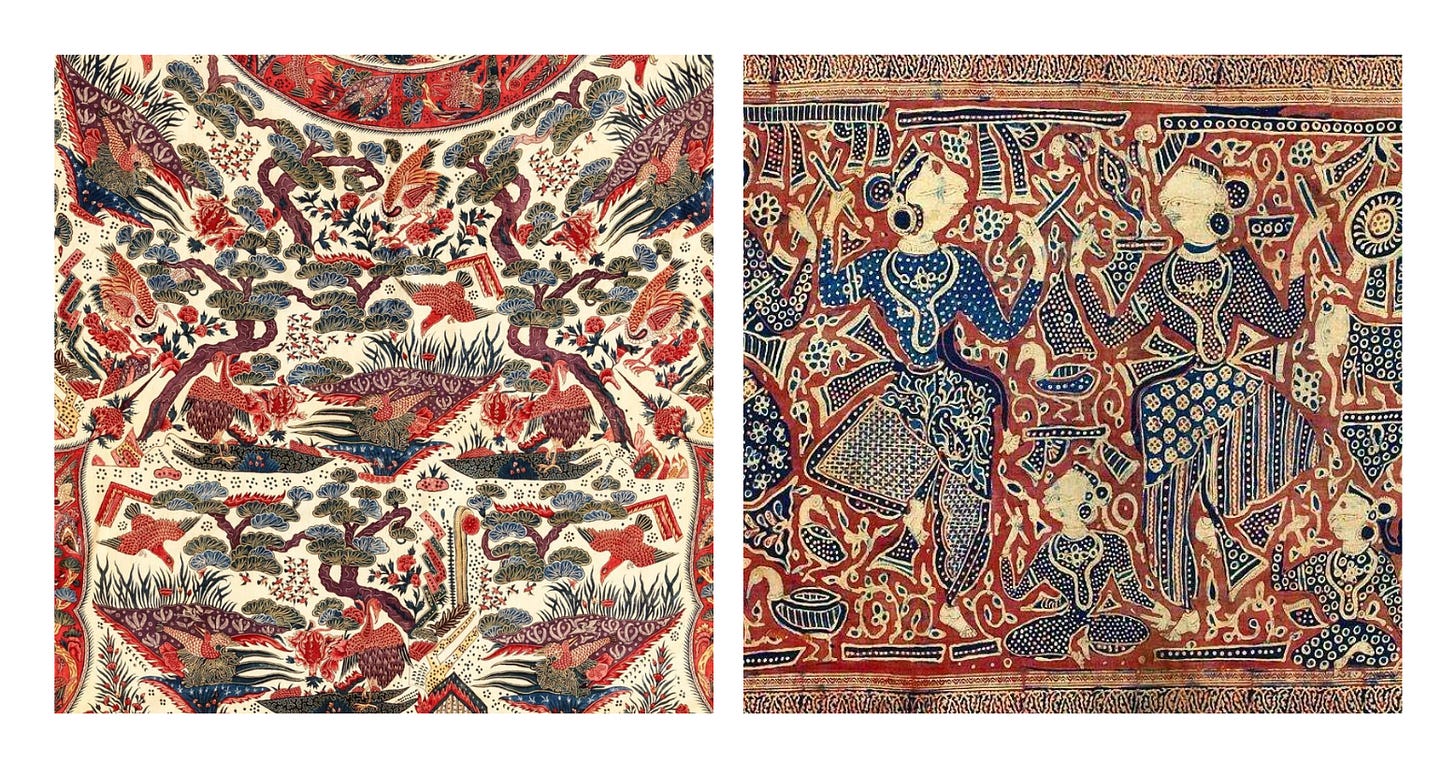
The demand became so overwhelming that it created an unexpected crisis. British and French textile manufacturers found themselves unable to compete with Indian imports, while domestic industries feared economic collapse. Governments responded not by improving their own products, but by restricting India’s. Through the Calico Acts of 1700 and 1721, Britain limited the import and use of many Indian cotton fabrics in an effort to protect local manufacturers. It remains one of history’s more remarkable economic stories. Imagine creating something so desirable that governments attempt to ban it because it is too successful.
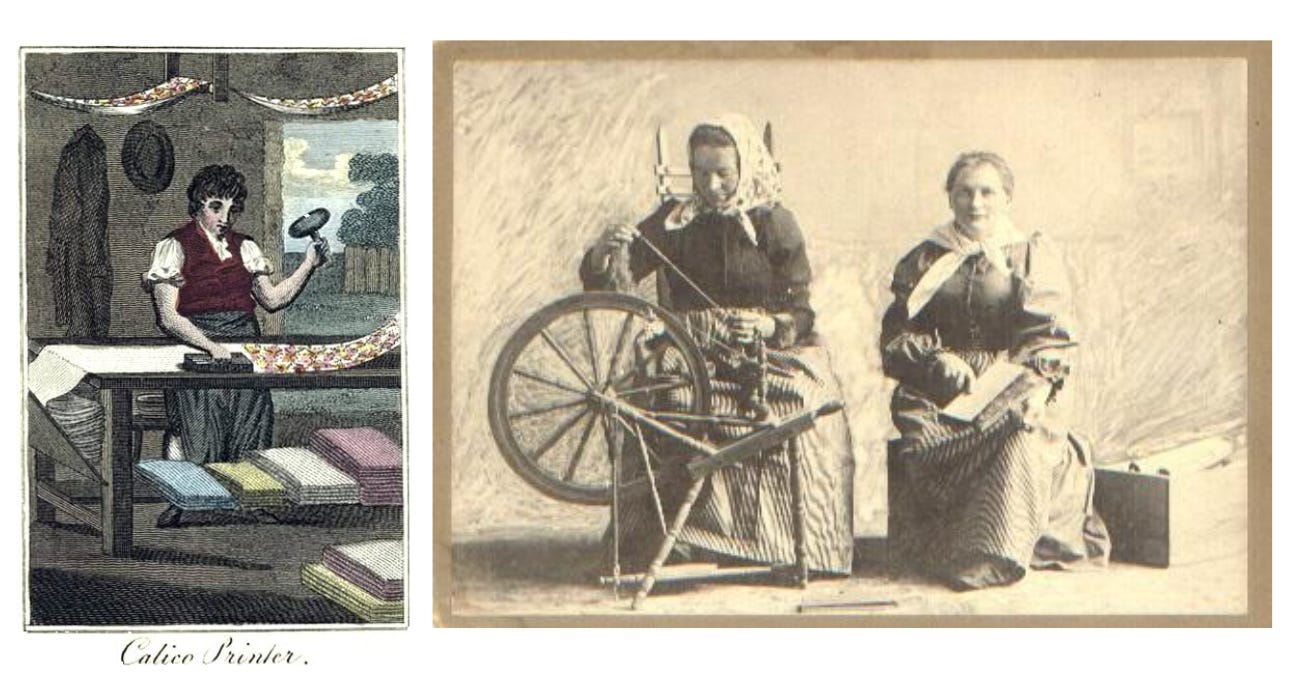
What is often forgotten is that India was never a passive participant in global trade. It was one of its driving forces. Economic historian Angus Maddison estimated that in the early eighteenth century, India accounted for roughly one-quarter of the world’s manufacturing output, with textiles contributing significantly to that extraordinary achievement. Long before the mills of Manchester transformed Britain into an industrial power, Indian weavers, dyers, printers, and artisans had already established global supply networks that connected continents. The world did not teach India how to make textiles. The world came to India because India already knew.
Historian Prasannan Parthasarathi argues that many Indian textile regions were not only internationally competitive but, in several respects, more technologically and economically advanced than their European counterparts. European manufacturers were not introducing superior methods to India. Instead, they were studying Indian techniques, attempting to imitate them, and eventually seeking to control the trade itself.
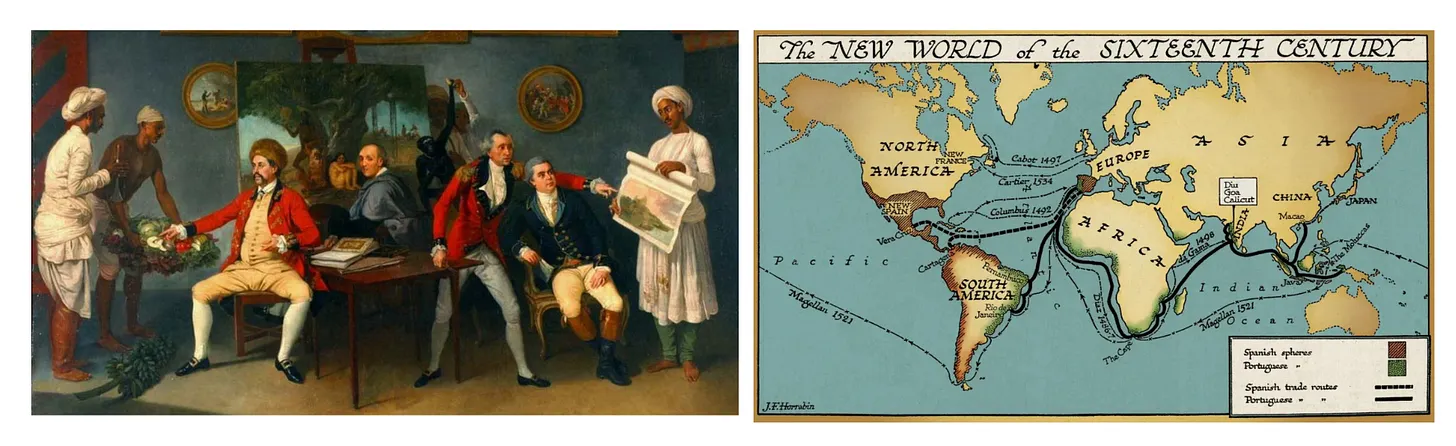
This is where the story begins to change.
The English East India Company was established as a trading company. Its purpose was commerce, not conquest. But commerce has always sought certainty, and certainty often comes through control. Control over supply. Control over prices. Control over markets. As historian William Dalrymple chronicles in The Anarchy, the Company gradually transformed from a commercial enterprise into one of the most powerful corporate empires the world has ever known. Trade opened the door. Empire walked through it.
Colonial history is often told through the language of wars, treaties, governors, and kings. Yet beneath those familiar narratives lies another story that deserves equal attention. It is the story of makers. The weavers of Bengal whose muslin became legendary. The block printers of Rajasthan whose patterns travelled across continents. The dyers of the Coromandel Coast who mastered colours that Europe struggled to reproduce. The countless artisans whose extraordinary skill quietly reshaped global trade, influenced European fashion, and ultimately attracted the attention of an empire.
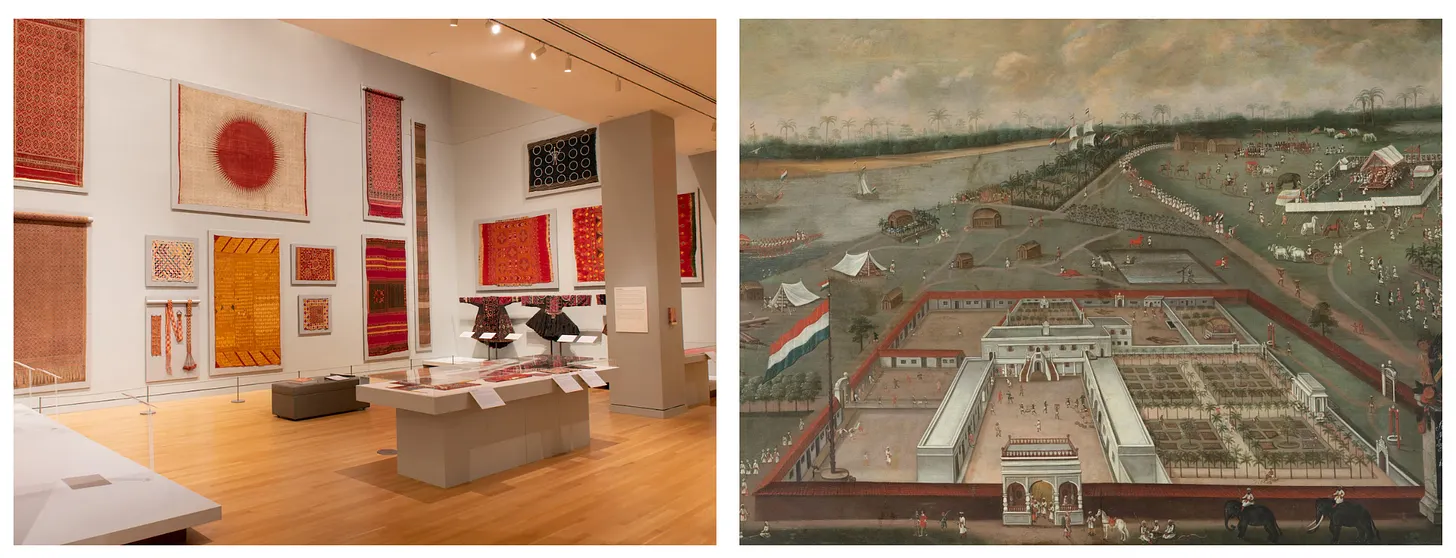
Today, conversations around Indian craft are often framed around preservation. We speak about protecting traditions before they disappear and safeguarding knowledge that risks being forgotten. But history reminds us that there was once a very different reality. There was a time when Indian craftsmanship was not something the world wanted to preserve. It was something the world wanted to possess.
Perhaps that is the greatest reminder of all.
Long before India became one of the world’s largest markets, it was one of its greatest makers. Long before colonial rule reshaped the subcontinent, Indian artisans had already built a reputation that stretched across oceans. And long before the British came to India for tea, they came because of what Indian hands could create.
At HobbyMela, we’re building a platform around this instinct, a craft ecosystem where India’s makers find visibility, community, and a stage worthy of the work their hands produce. If your hands have been idle for too long, this is your invitation to use them again.
Follow HobbyMela on Instagram and Linkedin
Subscribe on https://www.youtube.com/@hobbymela
Read more at hobbymela.com