
HobbyMela Stories8 min read
Kahani HobbyMela Ki: Founder's Note
This is the story of a 25-year journey with craft. What began as a personal hobby became a marketplace, then a pause, and finally a larger vision: building a platform where artists, makers and people who love to create can come together.

Some ideas arrive fully formed. Others stay with you quietly for years, changing shape as you do. HobbyMela is one of those ideas for me. The name may be new, the platform may be evolving, and the vision may be bigger than it was when I first imagined it—but my relationship with craft began more than 25 years ago.
At the time, I was living in the United States and raising my one-year-old son. I was looking for a creative outlet that was entirely my own when I discovered DIY Network by HGTV. It opened up a world of making that I had never really explored before. I started experimenting with scrapbooking, polymer clay, studio pottery and more, and I found myself constantly learning, making and documenting what I was discovering.
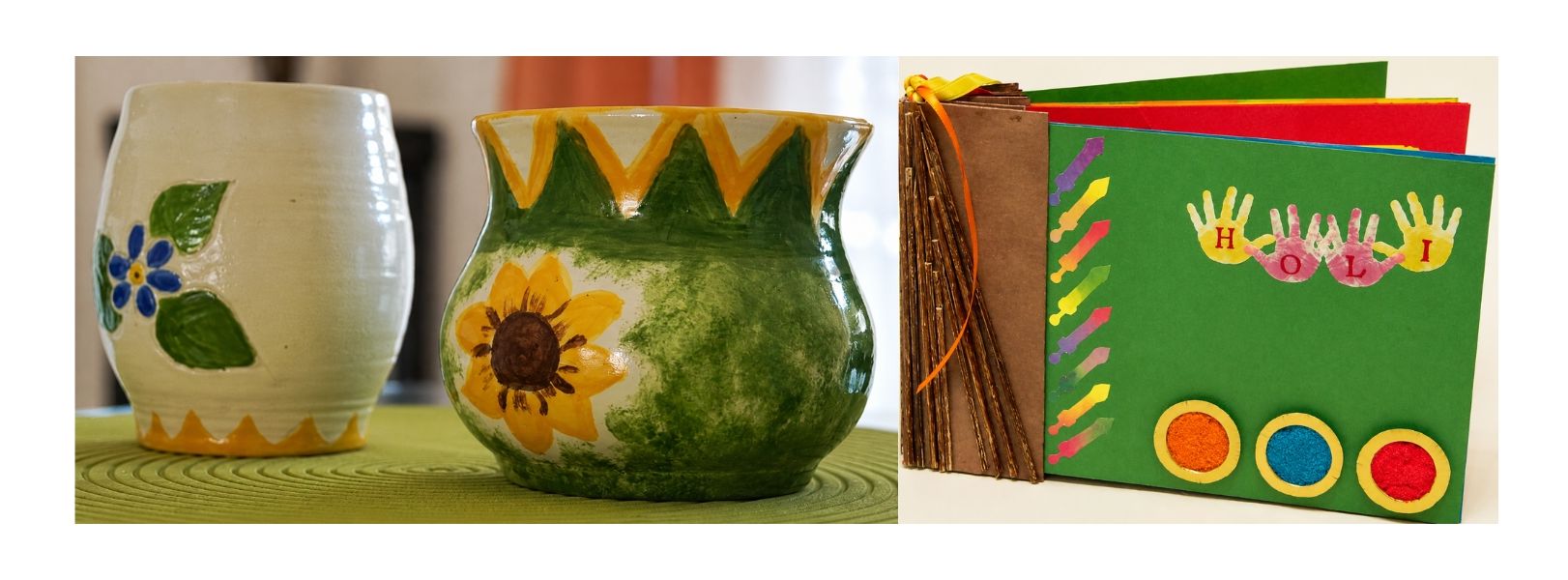
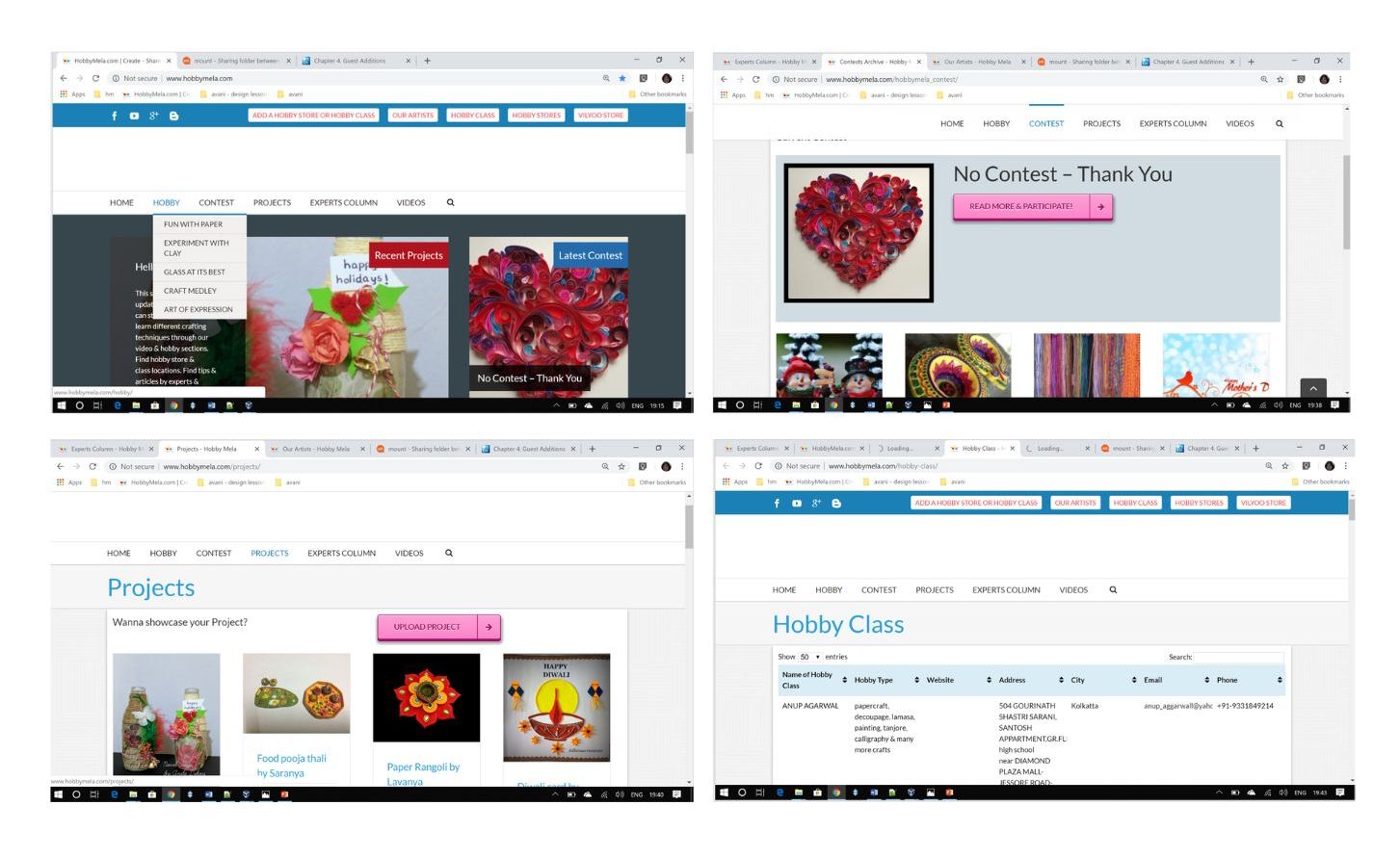
Eventually, I created a small website using IBM's NetObjects and called it Apne Haathon Se. It was simple, but it was significant. It was my first little space on the internet dedicated to craft, creativity and my own journey as a maker.
When I returned to India, I briefly went back to a corporate career, but I missed that creative world. What had begun as a hobby had slowly become something I wanted to take more seriously, and somewhere in that transition, the first version of HobbyMela began to take shape.
Why HobbyMela?
The name itself came from two things I deeply believed in: hobbies and people coming together. A hobby is often where creativity begins. You don't need to be an artist or an expert; you simply need enough curiosity to try. And mela represents coming together—a place where people discover, share, learn, participate and celebrate.
That was the original idea behind HobbyMela: a mela of hobbies. A place where people could discover craft techniques, participate in workshops, competitions and DIY projects, and connect with others who shared their interests. At that stage, HobbyMela wasn't a marketplace at all. It was an information and discovery platform built around craft and creativity.
But the more closely I interacted with artists and crafters, the more I began to see a much bigger gap. India had no shortage of immensely talented people making extraordinary things, but most artists were relying on local exhibitions, personal networks and, increasingly, social media to reach customers. There wasn't an integrated platform that truly connected the artist and the consumer.
That realisation eventually led me from HobbyMela to something else.
Vilyoo: My First Attempt at Building the Marketplace
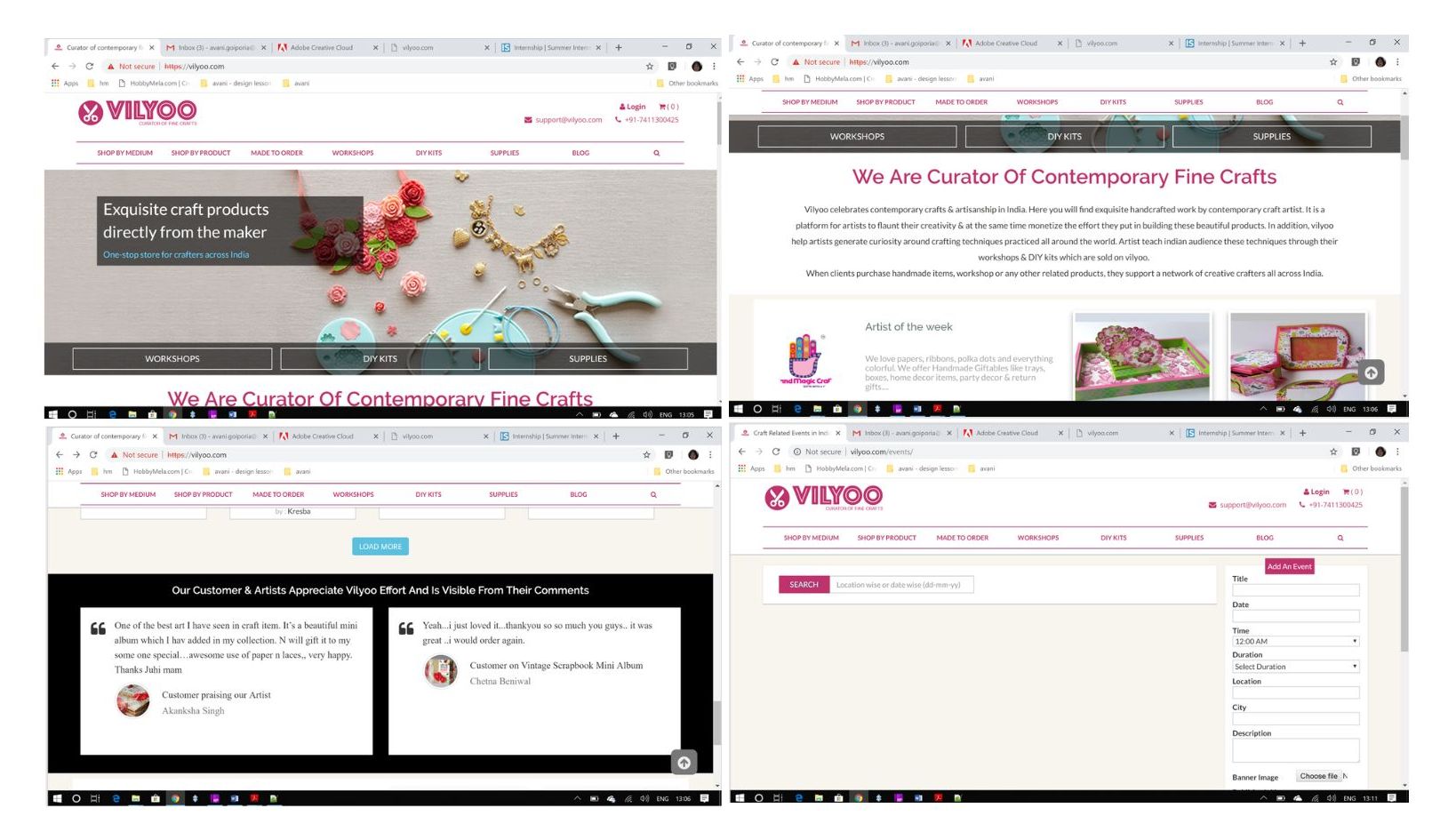
I co-founded Vilyoo.com as a curated online platform for makers of exclusive and exquisite handmade products. The ambition was to give artists access to a wider market while giving consumers a place to discover handcrafted gifts, DIY kits, workshops, customisation services and craft supplies.
I was deeply involved in building the business. I worked with artists, identified and nurtured makers, finalised contracts, conceptualised products and events, planned strategies, drove promotional activity and helped build the customer base. As the business grew, so did the team—across logistics, finance, technology, operations, sales and marketing. I also worked with a digital marketing agency on our social strategy and led offline marketing initiatives.
But Vilyoo taught me something far more important than how to build a marketplace. It taught me what it actually meant to be a maker trying to build a business.
I saw incredibly talented artists having to navigate everything around their art: marketing, pricing, customer acquisition, packaging, logistics and fulfilment. The creative ability was rarely the constraint. Visibility, access and opportunity were.
There was another challenge. At that time, consumers still wanted to see and feel handmade products before buying them, and online discovery and buying behaviour simply hadn't evolved enough for a craft marketplace to scale in the way we had imagined.
Vilyoo was, in many ways, early. In 2018, we made the difficult decision to close it. It was disappointing, but it also gave me something incredibly valuable: a first-hand understanding of artists, consumers and the complexities of building a business around craft.
The Years Away
After Vilyoo, my life moved in a very different direction. I redirected my energy towards social impact—teaching mathematics to underprivileged children, serving as President of the Blind Relief Association and working with an NGO on digital solutions for farmers.
Craft was no longer my professional focus, but it never really disappeared. The artists I had met, the talent I had seen and the possibility of bringing more people into the world of making stayed with me. Eventually, I realised that I hadn't really moved on from the idea; I had simply moved away from it for a while.
Coming Back to HobbyMela
When I started thinking about HobbyMela again, I knew I couldn't simply recreate what I had tried before. I had learned too much, and the question I kept asking myself was: If I were to build HobbyMela today, knowing everything I know now, what would I build differently?
The answer became increasingly clear. I didn't want to build another marketplace. Vilyoo had taught me that putting products online wasn't enough. Craft is not only about the finished object; it is about the person who made it, the process, the skill, the story and the experience of creating it.
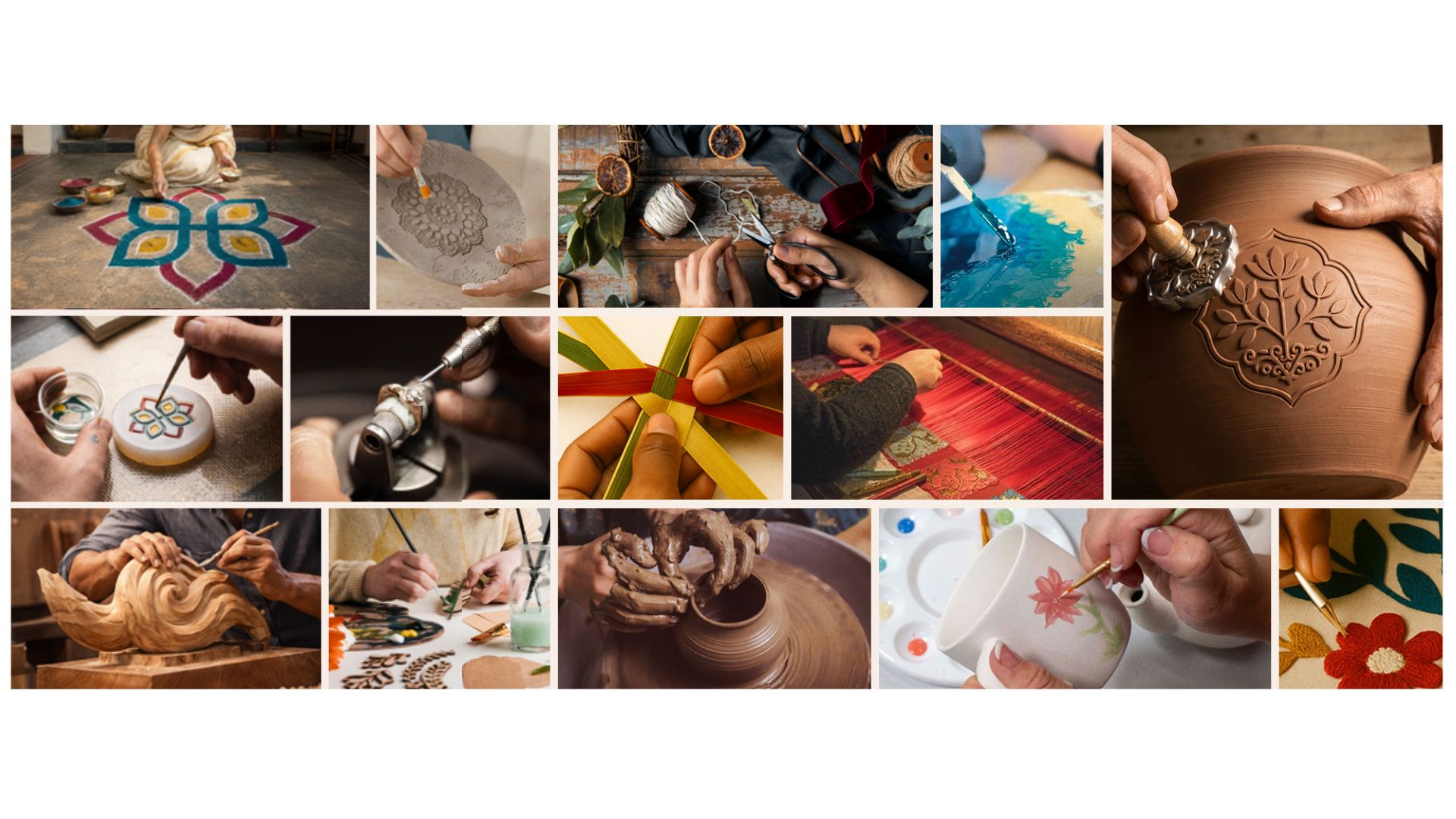
That changed the ambition completely. I wanted to build a platform where artists could be discovered, where their stories could be told, where people could learn directly from them, where communities could form around shared interests, and where craft could become something people didn't simply consume, but actually experience and participate in.
That is the HobbyMela I am building today. The vision is to bring together content, community, experiences and commerce around craft—creating opportunities for artists to showcase their work, connect and grow, while giving consumers new ways to discover artists, learn techniques, participate in experiences and find meaningful handmade products.
I Don't Want Craft To Be Something We Only Buy
This is perhaps the biggest shift in my thinking. There are already plenty of places where you can buy beautiful handmade products, but what happens before the purchase? Who made it? What did they learn? How long did it take? What inspired them? What did they struggle with? What traditions are they carrying forward?
And perhaps most importantly, what happens when you move from simply buying something handmade to actually learning how to make something yourself?
That is the space I want HobbyMela to occupy. I want someone to discover an artist they've never heard of, I want someone who has always wanted to try clay flowers, stained glass, paper craft or macramé to find an experience that gives them the confidence to begin, and I want artists to see HobbyMela as a platform that can open doors beyond simply selling a product.
Because the opportunity around craft is much bigger than commerce alone. It is about creating more ways for people to encounter making, learn from makers and become part of the creative process.
There Is A Bigger Dream Behind HobbyMela
India has an extraordinary craft heritage, and it also has an extraordinary contemporary maker community. Yet craft is still often viewed as something traditional, decorative or occasional, and I want to change that.
I want craft to become something people experience, learn, practise and pursue. I want more children to grow up making things with their hands, I want adults to rediscover the joy of creating rather than simply consuming, and I want talented artists to have greater visibility, recognition and opportunities to build sustainable livelihoods around their skills.
Ultimately, I want craft to become a more visible and important part of India's creative and cultural economy. That ambition is bigger than HobbyMela itself, but HobbyMela can be one part of building it.
A Mela For Makers
There is one idea I am particularly excited about: creating a country-wide craft competition. Not simply a competition with winners and prizes, but a national celebration of making.
Imagine the same creative challenge being taken up across India—a first-time maker alongside an experienced hobbyist, a professional artist alongside a child, and a senior citizen alongside someone discovering craft for the first time. Different cities, different communities, different techniques and different levels of experience, but one common language: making.
It could become a way to discover new talent, introduce people to craft forms they may never have encountered, and most importantly, encourage more people to participate in the act of creating.
That, for me, is the real promise of HobbyMela. Not simply more things being sold, but more people making.
Coming Full Circle
When I look back at the journey now, there is a clear thread connecting everything. Apne Haathon Se was my first attempt to document my own exploration of craft. HobbyMela was my first attempt to build a community around hobbies and creativity. Vilyoo was my first attempt to create a marketplace for the artists and makers I had discovered. And today's HobbyMela brings those experiences together.
I am returning to the same world, but I am returning with a very different understanding of what is possible. The ambition is no longer simply to build a website; it is to build a movement around making—one that gives artists a larger stage, gives people a reason to create, and gives craft the visibility and appreciation it deserves.
I am also grateful to be working alongside Ritu, Malathy and Ujjwal again—people who were part of HobbyMela V1.0 and are now joining me in building this next chapter.
In many ways, I have come back to where I started, but this time, I know exactly why I am here. I want HobbyMela to be a place where an artist can find an audience, a learner can find a starting point, a creator can discover a community, and someone who has always thought “I wish I could do that” can finally decide to try.
Because creativity doesn't belong to a select few. It begins with curiosity, grows through making, and sometimes a hobby can become the beginning of something much bigger.
This is why I built HobbyMela. Kahani Karigar Ki.
Follow HobbyMela on Instagram and Linkedin
Subscribe on https://www.youtube.com/@hobbymela
Read more at hobbymela.com