
7 min read
Before There Was India, There Were Makers
Long before there was a nation called India, there were makers. Journey through the origins of creativity, ancient craft traditions, and the timeless human instinct to shape, carve, paint, and create, the story of why making has always been part of who we are.
Before There Was India, There Were Makers
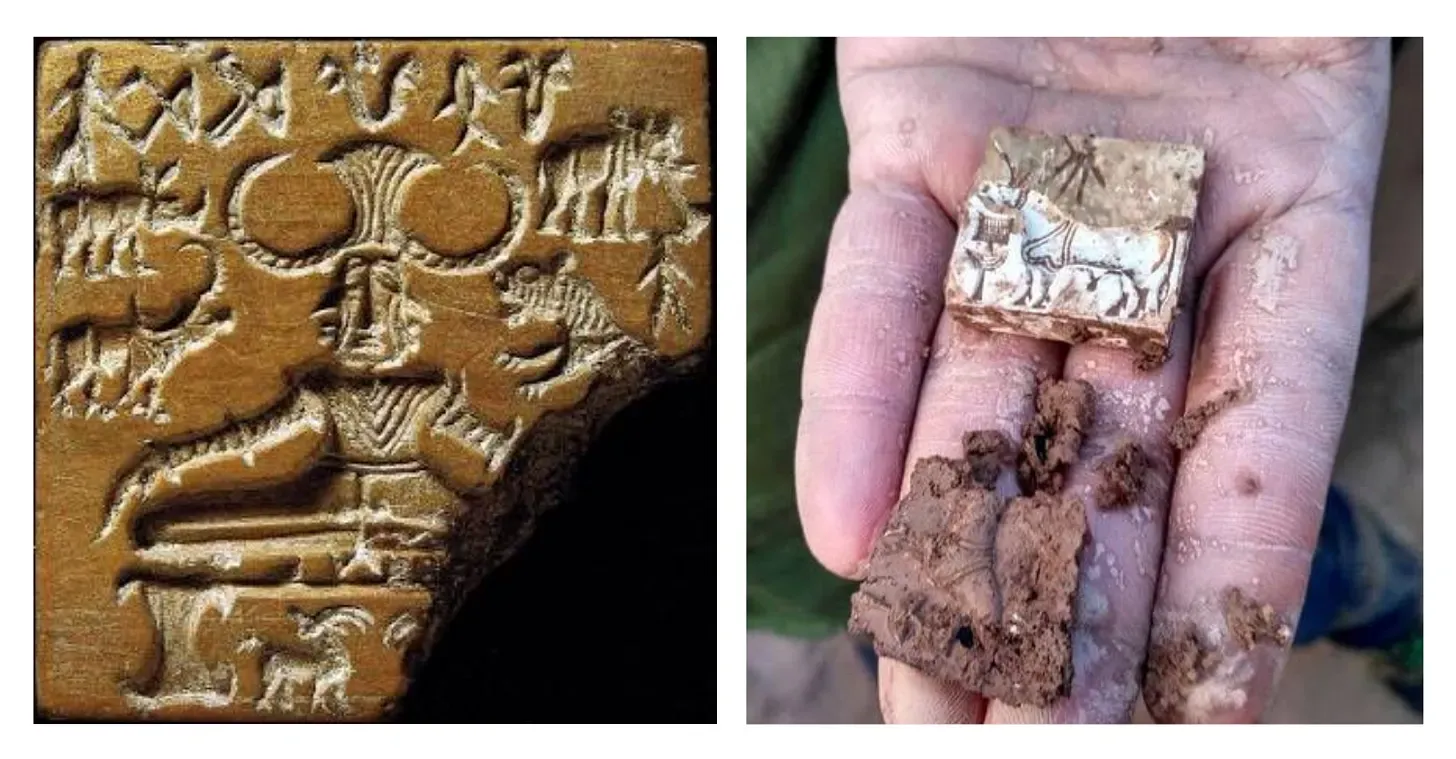
When we talk about Indian art, the conversation usually begins with the Indus Valley Civilization, with the intricate seals of Mohenjo-Daro, the elegant pottery of Harappa, and the beads that travelled across ancient trade routes nearly 5,000 years ago.
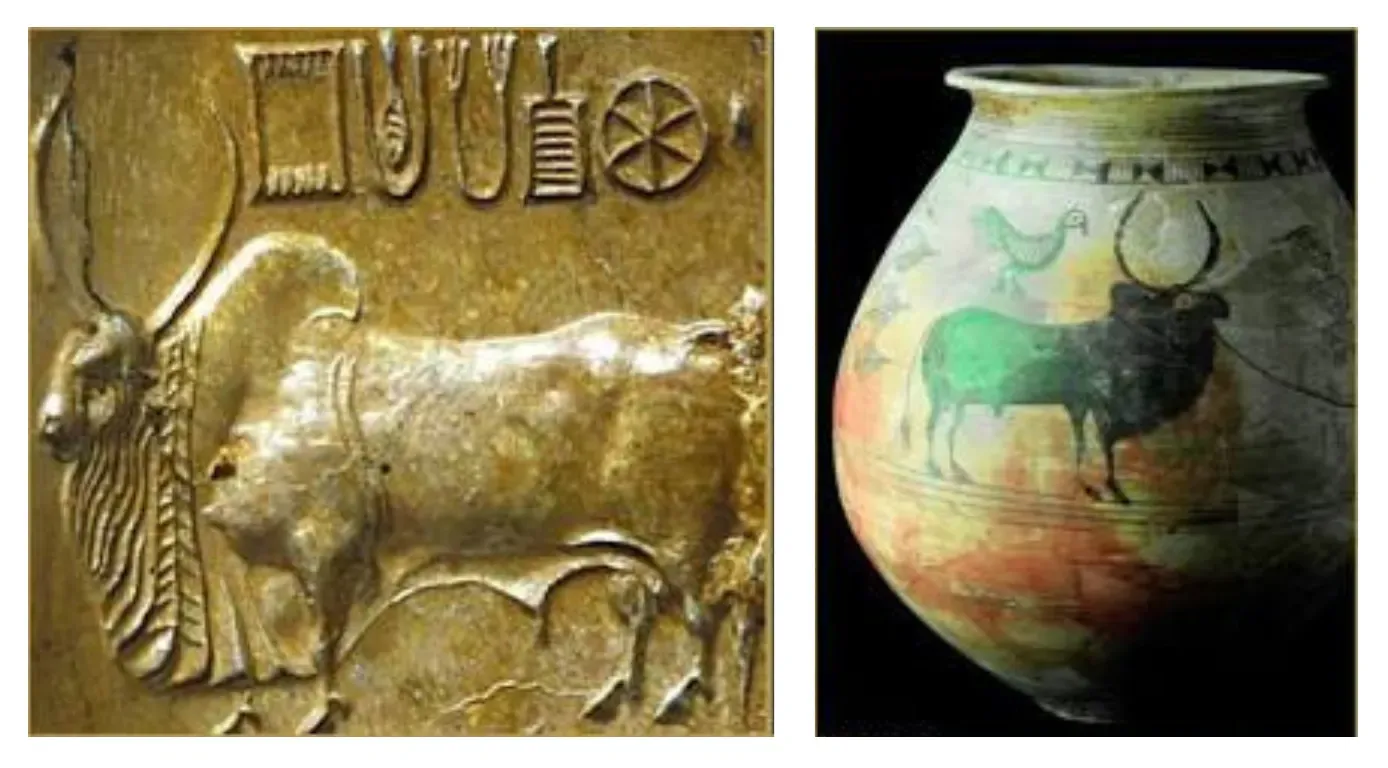
It’s a good place to begin, but this was never the beginning - because long before there was an India, long before there were cities, kingdoms, temples, writing, or even agriculture - there were makers.
Imagine a human being standing somewhere in the forests of the Indian subcontinent tens of thousands of years ago. They have no written language, no metal tools, no formal education, and no concept of a nation.
Survival is uncertain - Every day is spent searching for food, avoiding danger, and enduring an unpredictable world.
Yet despite these challenges, they choose to do something remarkable - They crush red ochre into pigment, they carve patterns into stone, they decorate their bodies, they paint stories onto cave walls.
They create.
It is a simple act, but it raises one of the oldest questions in human history - why?
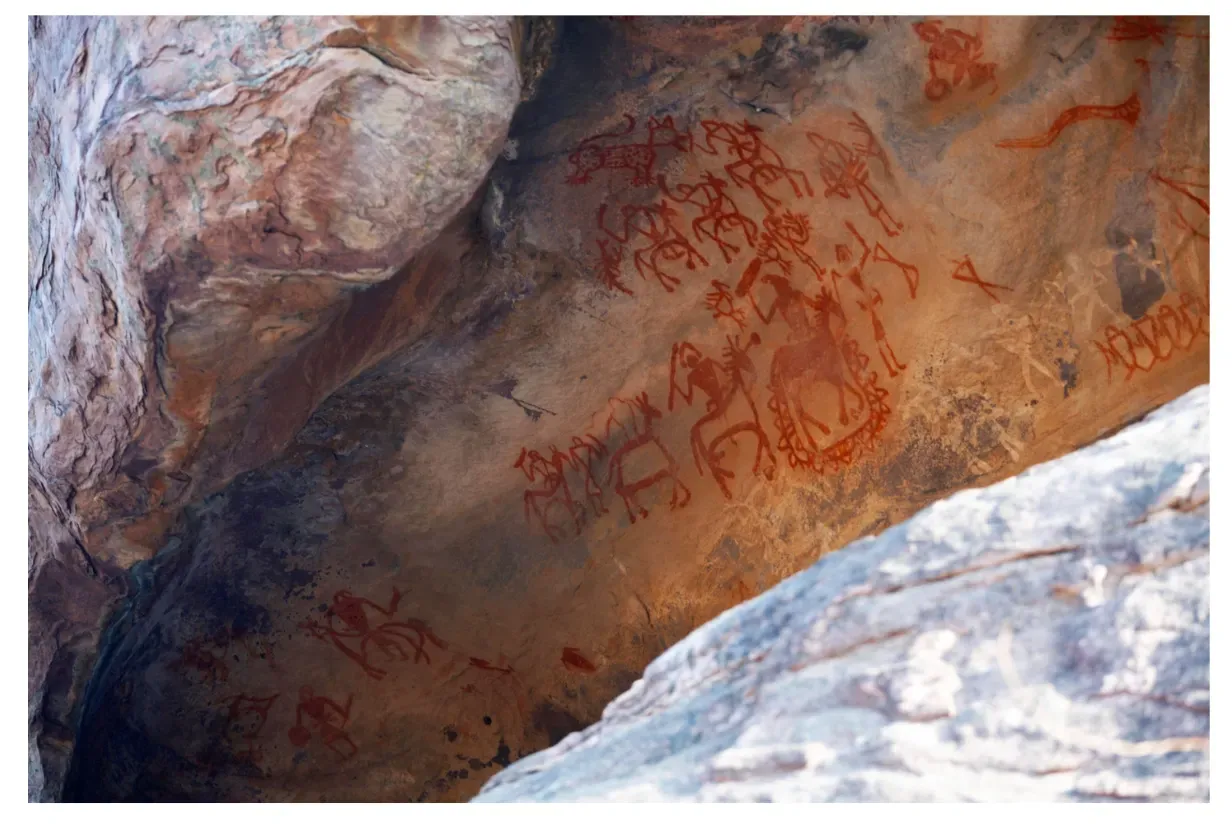
One of the earliest clues comes from the Bhimbetka Rock Shelters in present-day Madhya Pradesh. Archaeological evidence shows that humans occupied these shelters for more than 100,000 years, while the oldest surviving rock paintings are generally dated to around 10,000–12,000 years ago and they depict animals, hunters, dancers and scenes from everyday life, preserving one of India's oldest visual archives.
Long before books or written language, people were already recording memory through images.
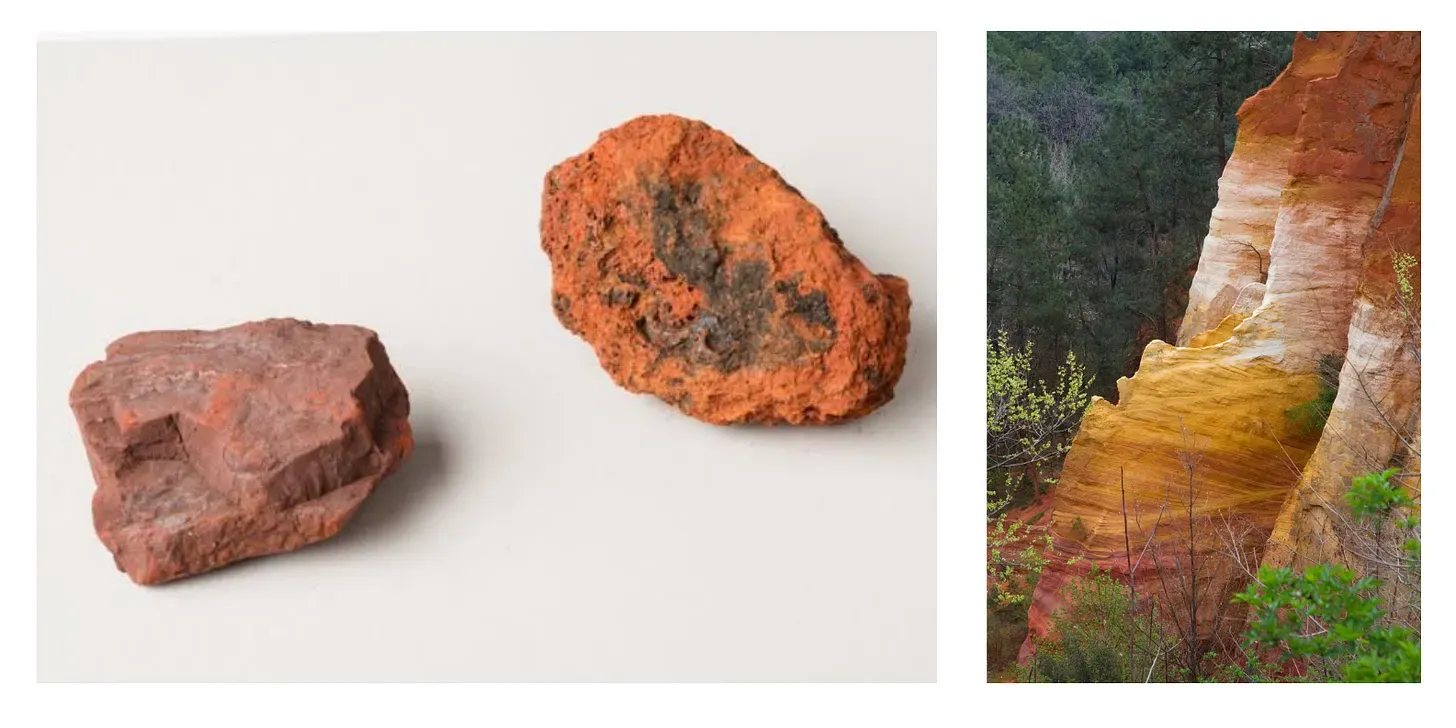
Colour tells an equally fascinating story. Across the prehistoric world, Stone Age communities in the Indian subcontinent people deliberately collected and processed red ochre for decoration, ritual and symbolic expression. Long before synthetic pigments existed, natural iron-rich earth became one of humanity's earliest creative technologies. Ochre could not be eaten or fashioned into a weapon, yet communities travelled considerable distances to obtain it. Perhaps one of humanity's earliest inventions was not a hunting tool, but a colour capable of expressing identity, memory and imagination.
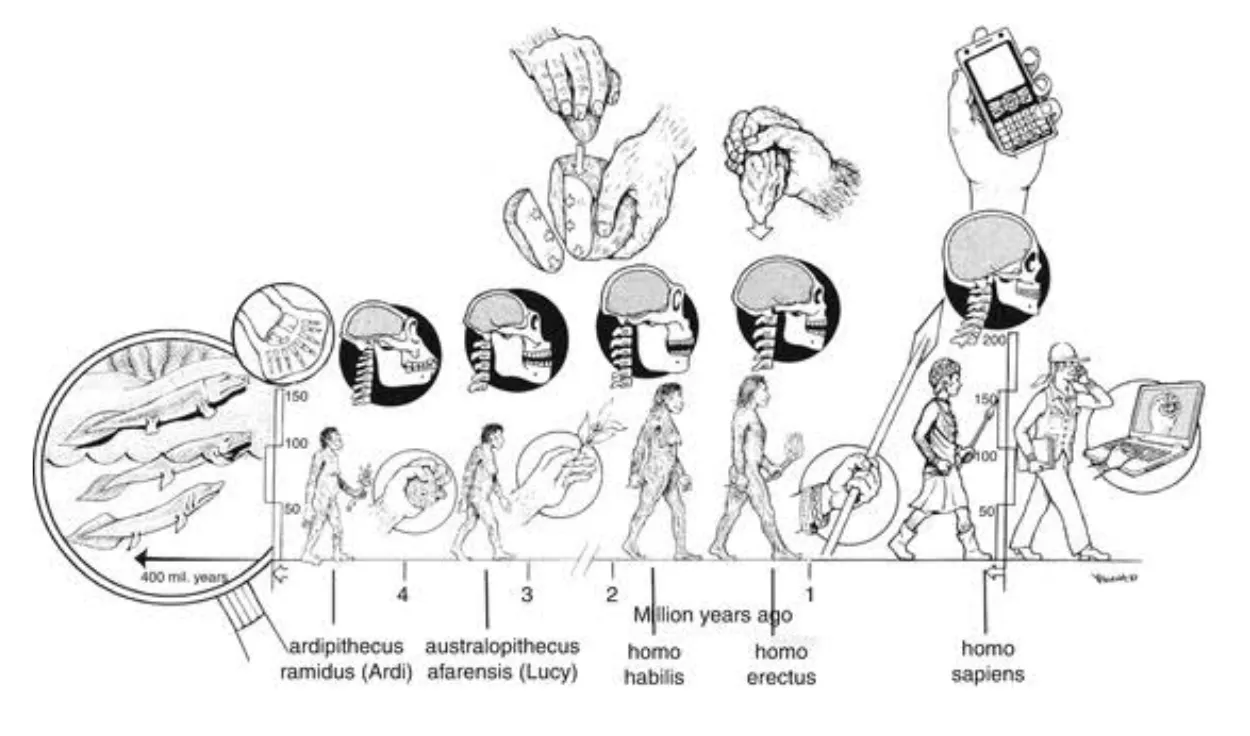
Long before humans shaped clay into pottery or wove fibres into textiles, they shaped stone. One of the earliest examples of sophisticated stone tool technology in South Asia comes from Attirampakkam, Tamil Nadu, where archaeologists have uncovered artefacts dating to approximately 385,000 years ago. These carefully crafted tools demanded planning, precision, patience and an understanding of raw materials. Every strike carried intention.
Anthropologists suggest that these repeated acts of making may have done more than improve survival, they may have helped shape the evolution of the human mind itself.
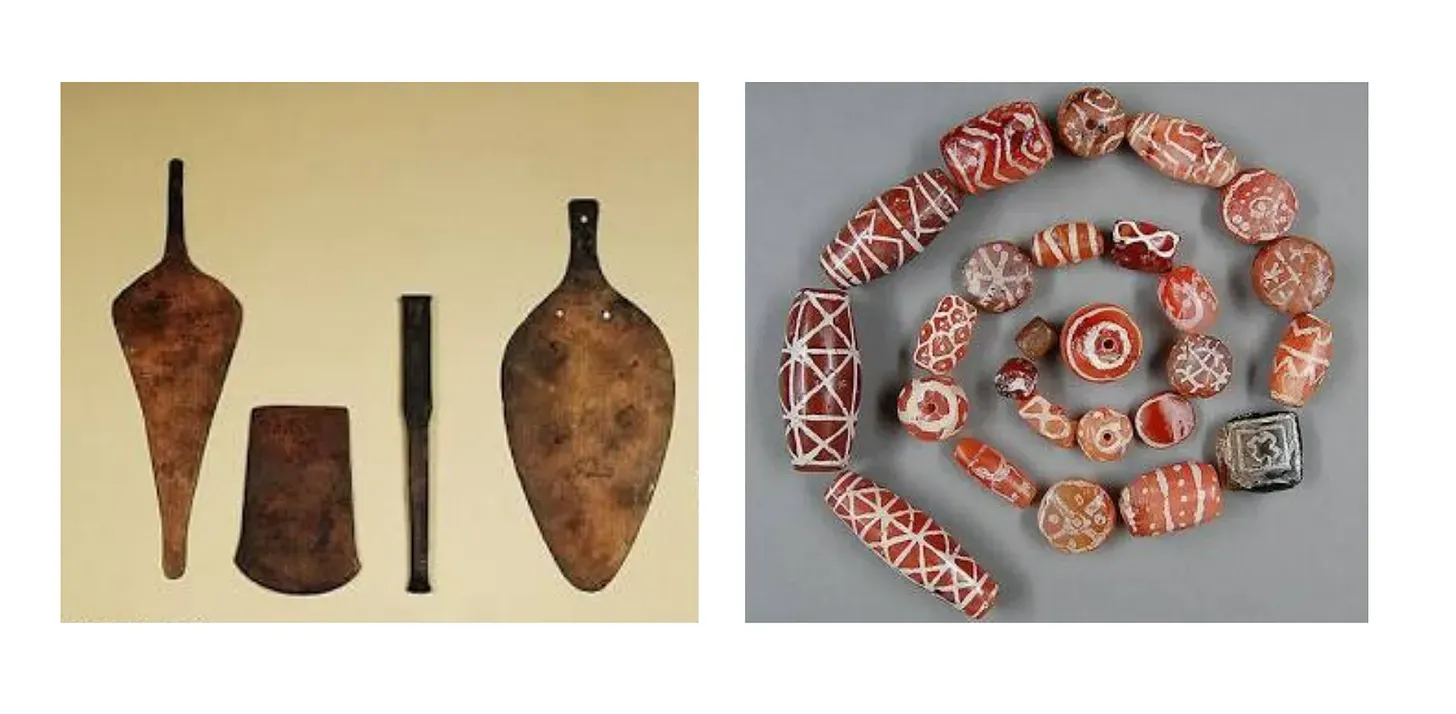
Humanity's fascination with patterns is equally ancient - At Mehrgarh (c. 7000–5000 BCE), one of South Asia's earliest farming settlements, archaeologists discovered pottery decorated with repeating geometric motifs. These early designs reveal an enduring attraction to symmetry, rhythm and visual storytelling long before the construction of temples, palaces or organised kingdoms.
This changes the way we think about craft itself. We often imagine craft as something that emerged only after civilisation became prosperous enough to appreciate beauty. The archaeological evidence suggests the opposite. The impulse to shape, carve, decorate, paint, and transform materials existed long before empires, markets, or even the idea of India. Craft was not the result of civilisation. In many ways, it helped lay the foundations for civilisation itself.
Long before elaborate textiles or woven garments became common, people expressed identity through beads, shells, pendants and ornaments. Archaeological discoveries at Mehrgarh (c. 7000–5000 BCE) reveal some of South Asia's earliest examples of personal adornment, reminding us that the first canvas for craft may well have been the human body itself. Decoration was never merely ornamental it communicated identity, belonging and belief.
Perhaps that is why craft continues to survive every technological revolution. It has never been merely about producing useful objects. It has always been about something much older and much more fundamental. It is the desire to leave a mark, to tell a story, to transform raw materials into expressions of thought, memory, and identity. Every handmade object carries within it that ancient impulse to create meaning from the world around us.
For as long as human beings have walked this land, they have made things not simply because they needed to, but because they were compelled to. Long before there were kingdoms to rule, markets to trade in, or nations to unite people, there were hands shaping stone, mixing pigments, carving patterns, and imagining possibilities.
Seen together, these discoveries transform the way we think about Indian creativity. Craft did not appear after civilisation became prosperous enough to appreciate beauty. It was already present in stone tools shaped hundreds of thousands of years ago, pigments ground from the earth, stories painted on cave walls, patterns carved into objects and ornaments worn close to the skin.
Long before there was a nation called India, there were hands making meaning from the world around them.
Patterns of the Mind: Why Mandalas Continue to Fascinate Us
Have you ever noticed geometric patterns, mandalas, or symmetrical forms appearing during moments of deep meditation, altered states of consciousness, or even in dreams? It is an experience that has been described across cultures for centuries, and one that fascinated the Swiss psychologist Carl Jung throughout much of his life.
Jung believed that mandalas reflected something fundamental about the structure of the human psyche. Across civilizations and throughout history, circular patterns have appeared in spiritual traditions, sacred architecture, artwork, rituals, and deeply personal experiences. Whether found in Tibetan sand mandalas, Hindu yantras, Gothic rose windows, or indigenous ceremonial art, these forms seem to emerge whenever human beings search for meaning, balance, or transformation.
For Jung, the mandala represented the Self—the organising centre of both consciousness and the unconscious mind. Its symmetrical geometry symbolised the movement towards psychological integration, bringing together fragmented aspects of the personality into a more coherent whole. The recurring appearance of these patterns across cultures suggested to him that the human mind may possess an innate tendency to organise experience according to deeper principles of harmony, order, and symmetry.
Jung also observed that creating or contemplating mandalas often coincided with periods of profound psychological growth. Through this process, individuals were able to engage with dimensions of themselves that remained hidden beneath everyday awareness. The act of making or reflecting upon these geometric forms became a bridge between conscious thought and the unconscious, allowing previously unseen insights to emerge with greater clarity.
Light held an equally important place within Jungian psychology. For Jung, light symbolised the gradual expansion of consciousness and the emergence of understanding. It represented the process through which hidden aspects of the psyche became visible and integrated into one’s awareness. Within a mandala, the relationship between light, geometry, and symbolism can therefore be understood as a visual representation of the mind slowly moving toward wholeness.
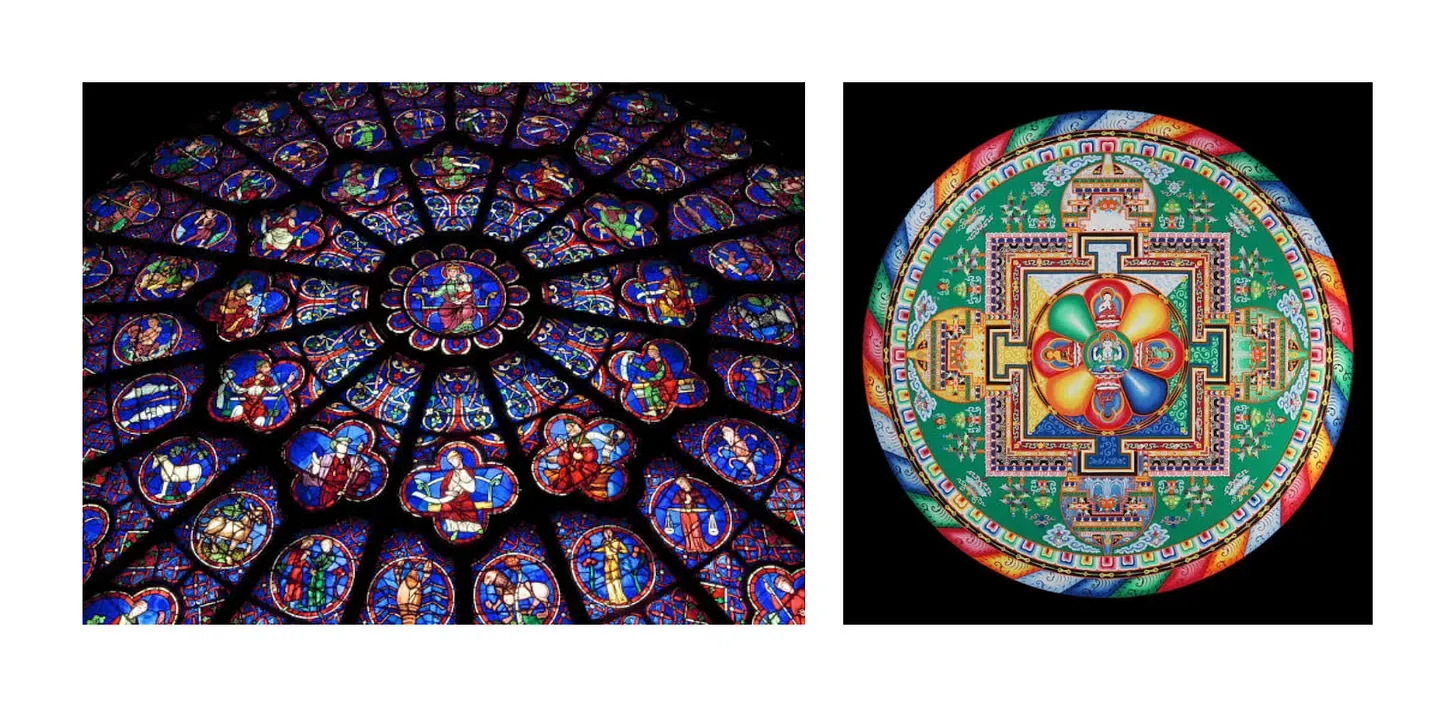
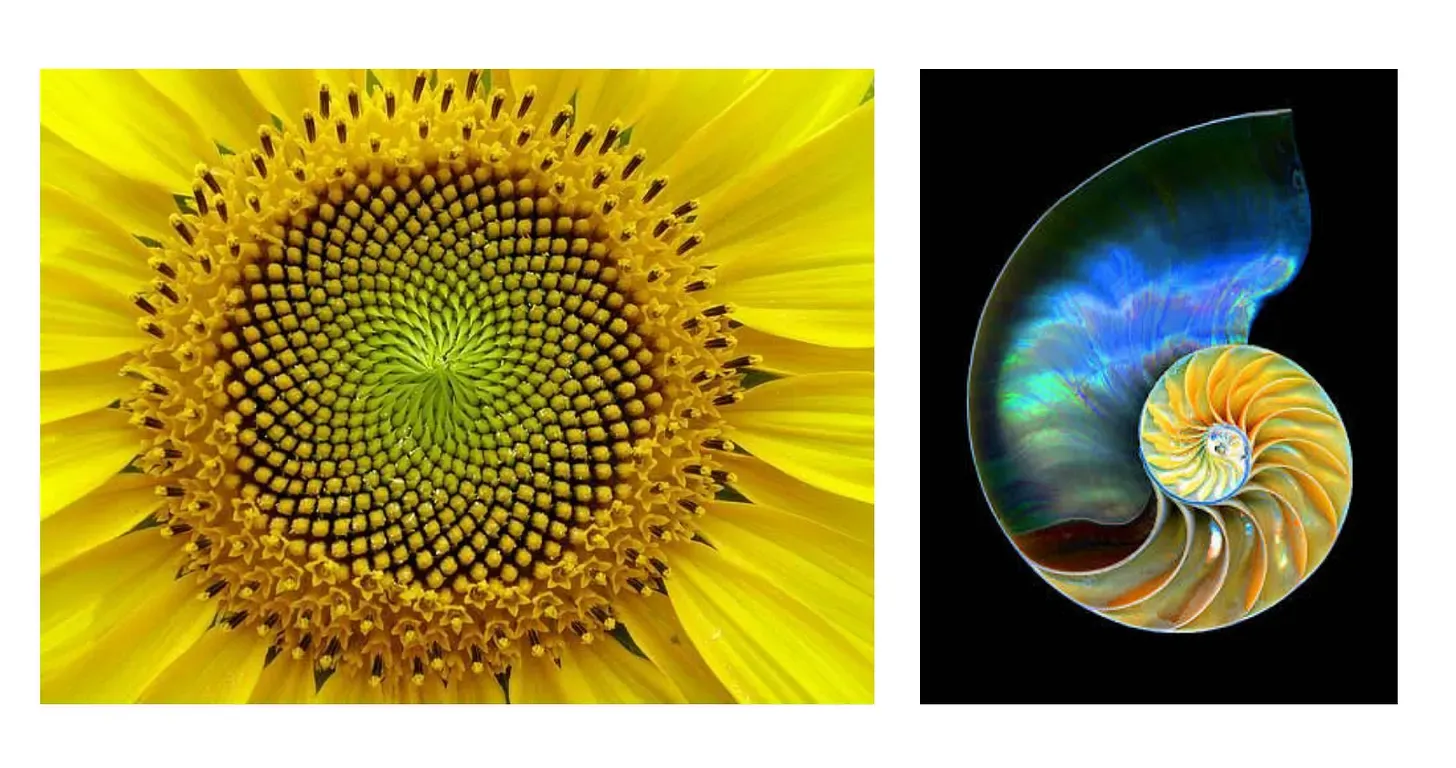
Perhaps this explains why mandalas continue to resonate so deeply across cultures and across time. Geometry appears everywhere—in flowers, shells, galaxies, crystals, architecture, mathematics, and even in the neural structures of the brain itself. As awareness expands, these recurring patterns begin to feel less like decoration and more like glimpses into the hidden structures through which nature, consciousness, and the human mind organise reality.
Seen in this light, the connection between prehistoric cave paintings, ancient craft traditions, and mandalas becomes difficult to ignore. From the first human who carved a pattern into stone to the artisan shaping clay today, there appears to be a timeless impulse that links us all: the desire to create order from chaos, to give form to thought, and to express something that words alone cannot contain.
Perhaps that is what craft has always been.
Not simply the making of objects, but the making of meaning.
Follow HobbyMela on Instagram and Linkedin
Subscribe on https://www.youtube.com/@hobbymela
Read more at hobbymela.com