
HobbyMela Stories8 min read
7 Indian Craft Traditions That Are Disappearing
Across India, generations of craft knowledge are at risk of disappearing. Explore seven remarkable Indian craft traditions, the artisans preserving them, and what we stand to lose if these stories are not carried forward.

There is a quiet tragedy unfolding across India, and most of us don't even realize it's happening. It doesn't make the headlines, it isn't discussed in boardrooms, and it rarely appears on our social media feeds. Yet every year, the country loses something that can never truly be recreated. Not a monument, not a language, and not a piece of architecture, but something far more intimate—a lifetime of knowledge carried in the hands of an artisan.
Somewhere in India, an elderly craftsperson is putting away their tools for the very last time. A loom falls silent because there is no one left to weave. A furnace cools because no apprentice is waiting to learn. A carving knife, polished by decades of use, is wrapped carefully in cloth and stored away, knowing that the hands it once served may be the last to understand its purpose. This is how traditions disappear—not through dramatic endings, but through quiet absences.
The disappearance of a craft is rarely caused by a lack of beauty. Instead, it is often the result of economics, changing aspirations, and a world that values speed over patience. When a handcrafted object takes weeks to create while a machine can produce thousands in a day, the market naturally shifts. Parents who spent their lives practising traditional crafts often encourage their children to pursue careers that promise greater financial security. Their decision is understandable, but with every generation that walks away, centuries of inherited knowledge become increasingly fragile.
And yet, despite these challenges, there are artists across the country who continue to wake up every morning and choose to preserve these traditions. They work not because the journey is easy, but because they believe some things are too valuable to disappear. Their work is not simply about creating beautiful objects; it is about carrying history into the future. These are some of the remarkable craft traditions they continue to protect.
Kalamkari – Andhra Pradesh
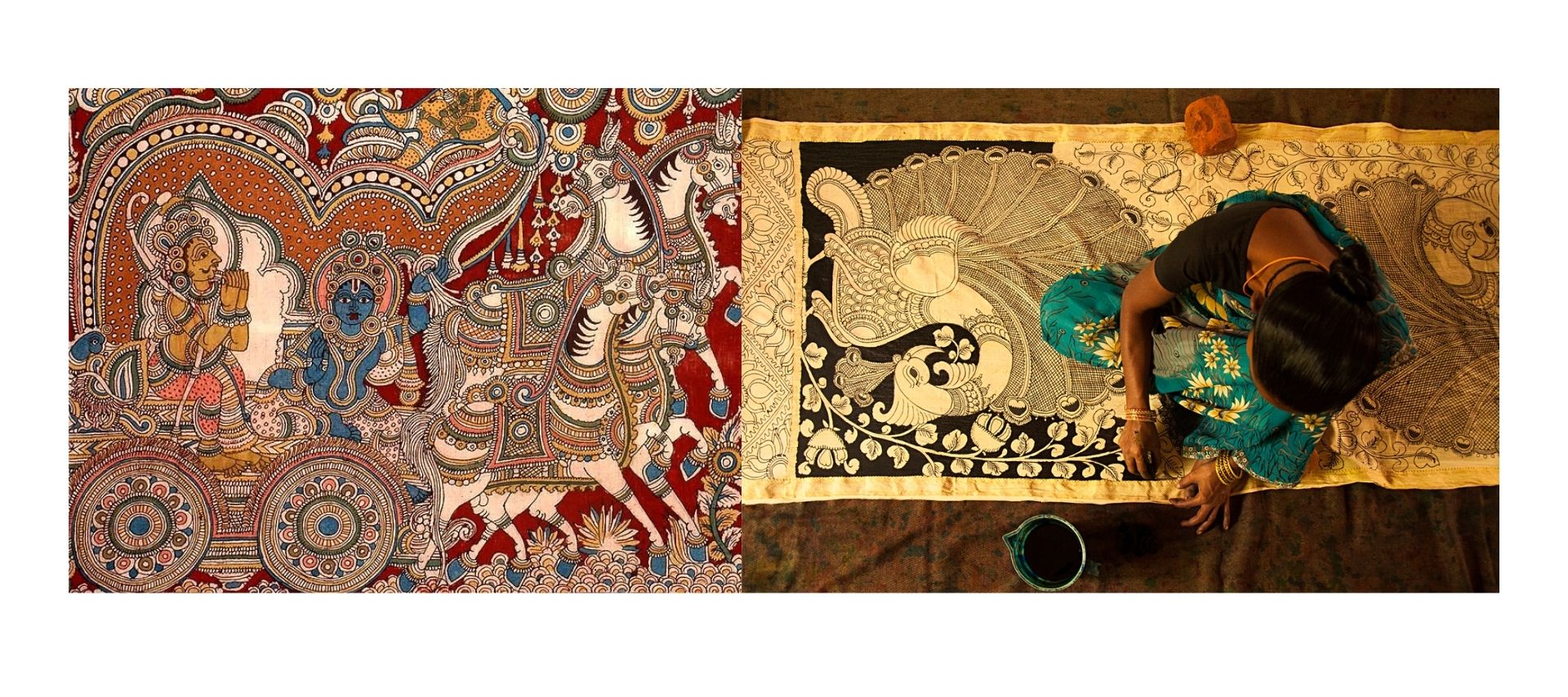
In the villages of Andhra Pradesh, Kalamkari has been telling stories through fabric for centuries. Using a combination of hand-drawn lines, natural dyes and painstaking brushwork, artisans transform cotton textiles into intricate scenes inspired by mythology, nature and everyday life. Traditionally, the process involves treating and washing the fabric multiple times before the artist begins drawing and colouring, with each stage requiring patience and precision. Unlike printed textiles that can reproduce the same design thousands of times, every Kalamkari piece carries the subtle variations of the person who made it. Today, the craft faces competition from cheaper printed fabrics and changing consumer preferences, making it increasingly difficult for younger generations to see traditional textile-making as a viable livelihood. Yet the artisans who continue to practise Kalamkari are preserving more than a technique—they are keeping alive a centuries-old tradition of storytelling through the human hand
Veena Making – Tamil Nadu
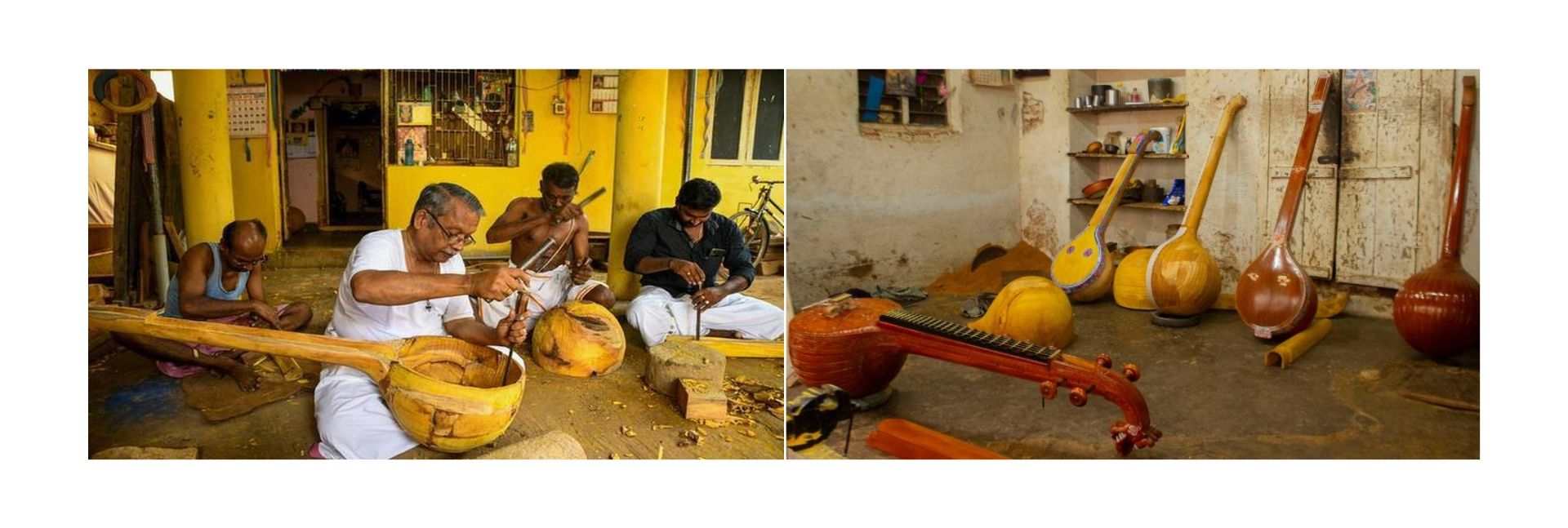
Every Carnatic musician understands the beauty of a veena, but very few people know the lives of the artisans who build these extraordinary instruments. Crafting a veena is not a matter of assembling parts; it is a deeply intuitive process that combines woodworking, acoustics, sculpture, and devotion. A single instrument may take months to complete, with every curve, measurement, and detail influencing the sound it will eventually produce.
For generations, families dedicated themselves entirely to this craft, passing knowledge from one generation to the next through observation and practice rather than formal instruction. Today, however, the future of this tradition feels uncertain. Demand has shifted, younger generations seek different professions, and handcrafted instruments compete with factory-made alternatives. It is a painful irony that the artisans responsible for preserving one of India's most iconic musical traditions are themselves struggling to preserve their own.
Muga Silk Weaving – Assam
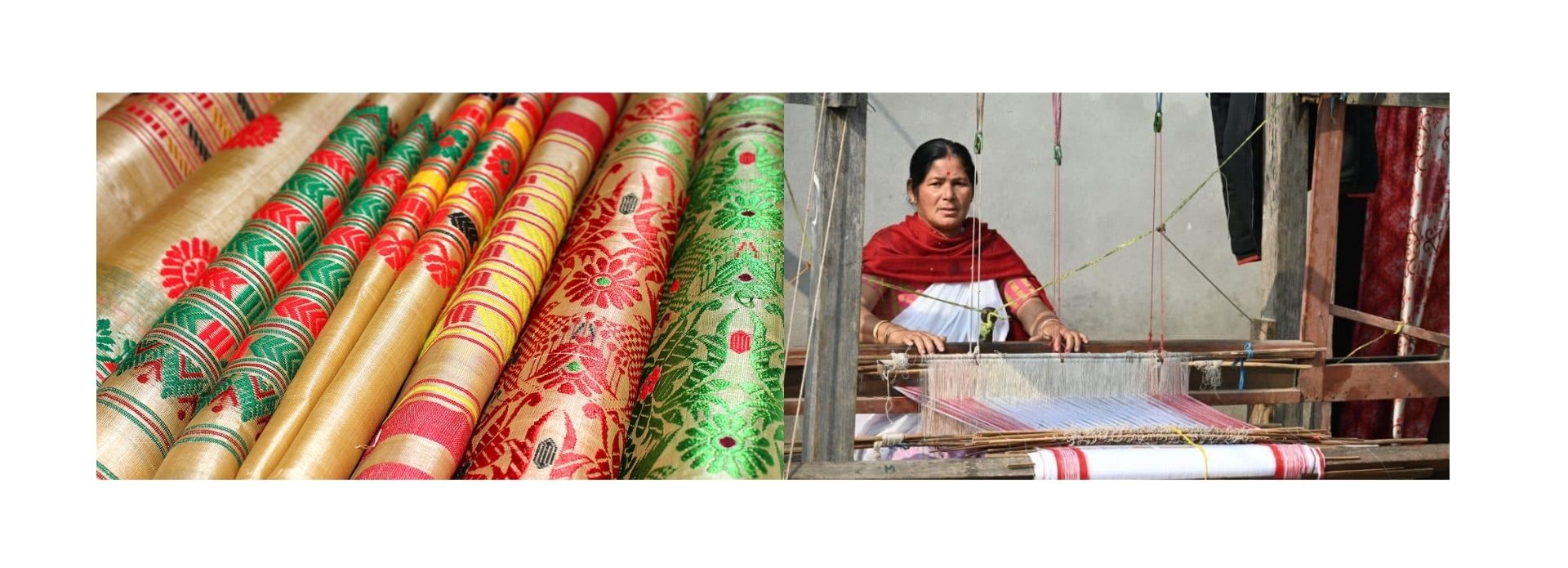
In Assam, Muga silk is more than a textile—it is a tradition woven into the cultural identity of the region. Known for its distinctive natural golden sheen, Muga silk is produced from the Antheraea assamensis silkworm, found primarily in Assam. The silk is remarkably durable and develops a deeper lustre with age, making it prized for traditional garments such as mekhela chadors and sarees. For generations, Assamese weaving communities have carefully nurtured the entire process, from rearing the silkworms to spinning, dyeing, and weaving the silk by hand. Yet this knowledge faces growing challenges as younger generations seek other livelihoods and traditional weaving competes with faster, machine-made alternatives. Preserving Muga silk therefore means protecting not only a rare and beautiful textile, but also the generations of ecological knowledge, craftsmanship, and cultural memory woven into every thread.
Kutch Embroidery – Gujarat
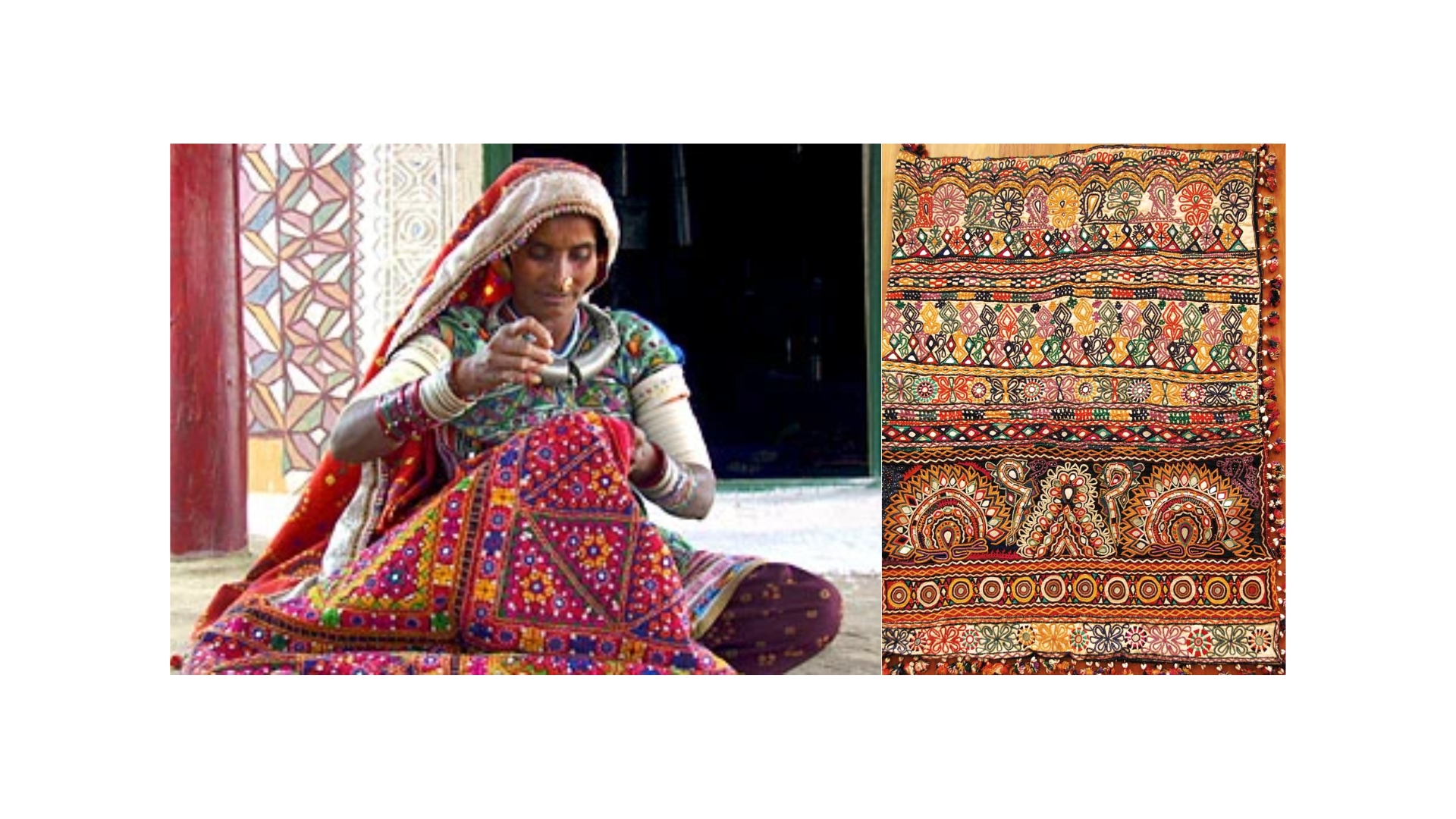
For centuries, the women of Kutch have transformed thread into memory. Their embroidery is celebrated for its intricate patterns, vibrant colours, and shimmering mirror work, but beneath its visual beauty lies something much deeper. Every stitch carries family history, cultural identity, and stories passed from mother to daughter over generations. These designs were never simply decorative; they became a language through which women expressed themselves, preserved tradition, and celebrated community.
Today, machine embroidery can imitate these patterns in a matter of minutes. To the untrained eye, the differences may appear small, but no machine can replicate the subtle imperfections, emotional investment, or lived experience woven into handmade embroidery. When an artisan embroiders a piece by hand, she is not simply creating a product. She is continuing a conversation that began generations before her and hoping that someone will continue it after she is gone.
Sikki Grass Weaving – Bihar
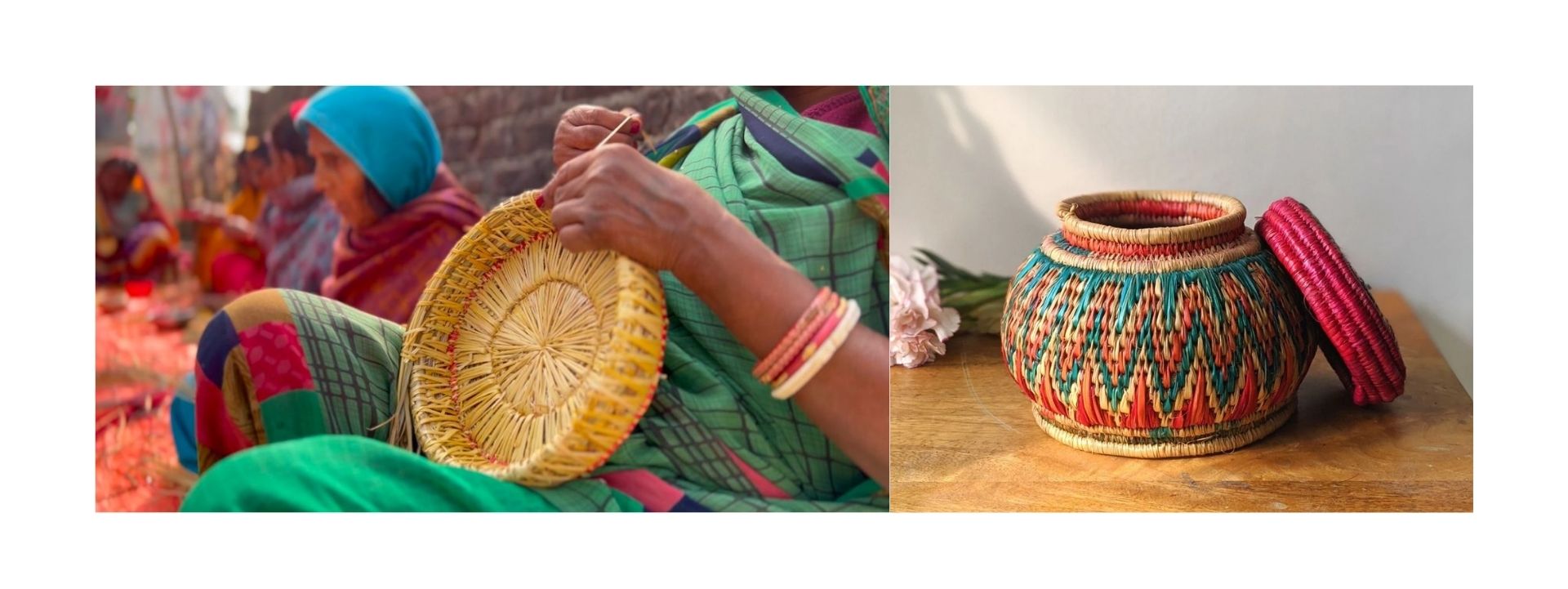
The golden grass that grows across parts of Bihar appears ordinary until it reaches the hands of a Sikki artisan. Harvested, dried, softened, and woven entirely by hand, this humble material is transformed into baskets, jewellery boxes, decorative objects, and intricate works of art that reflect generations of inherited knowledge.
For many women, Sikki weaving has long represented much more than a source of income. It has been a way of preserving identity, supporting families, and passing skills from one generation to the next. Yet the economic realities surrounding handmade craft have made it increasingly difficult for younger people to see a future in the tradition. The greatest beauty of Sikki weaving lies not only in the finished objects but in the communities of women who have quietly kept the craft alive through patience, resilience, and shared knowledge.
Glass Blowing – Firozabad
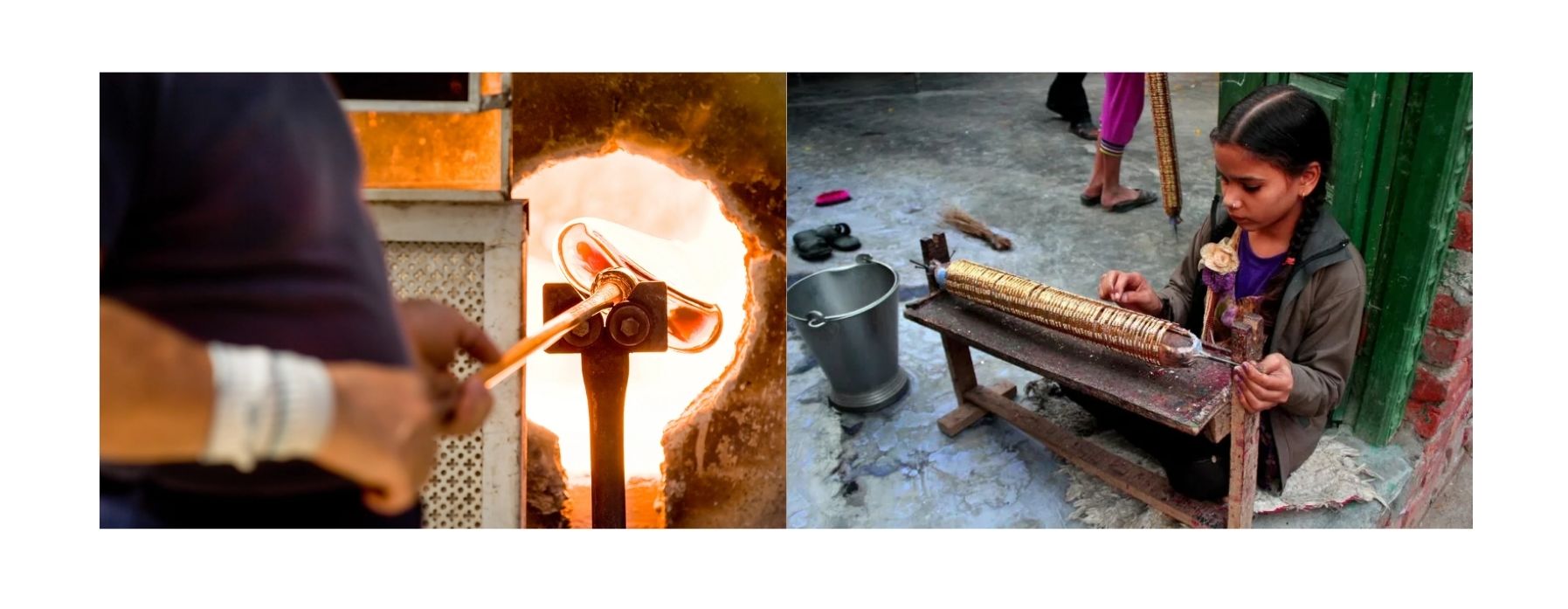
Glass remembers every decision an artist makes. Inside the furnaces of Firozabad, where temperatures rise above a thousand degrees, there is little room for hesitation. Every movement must be deliberate. Every breath, every turn of the pipe, every second matters. Molten glass cools quickly, leaving no opportunity to pause or reconsider.
Artists who dedicate their lives to glassblowing develop an extraordinary understanding of timing, heat, gravity, and movement. It is a craft that can take decades to master, yet its practitioners now compete against industrial production capable of manufacturing thousands of identical pieces each day. While machines can replicate shape, they cannot reproduce the subtle variations created by a human hand. Every handcrafted glass object carries within it the breath, instinct, and years of experience of the artist who shaped it.
Kondapalli Toys – Andhra Pradesh
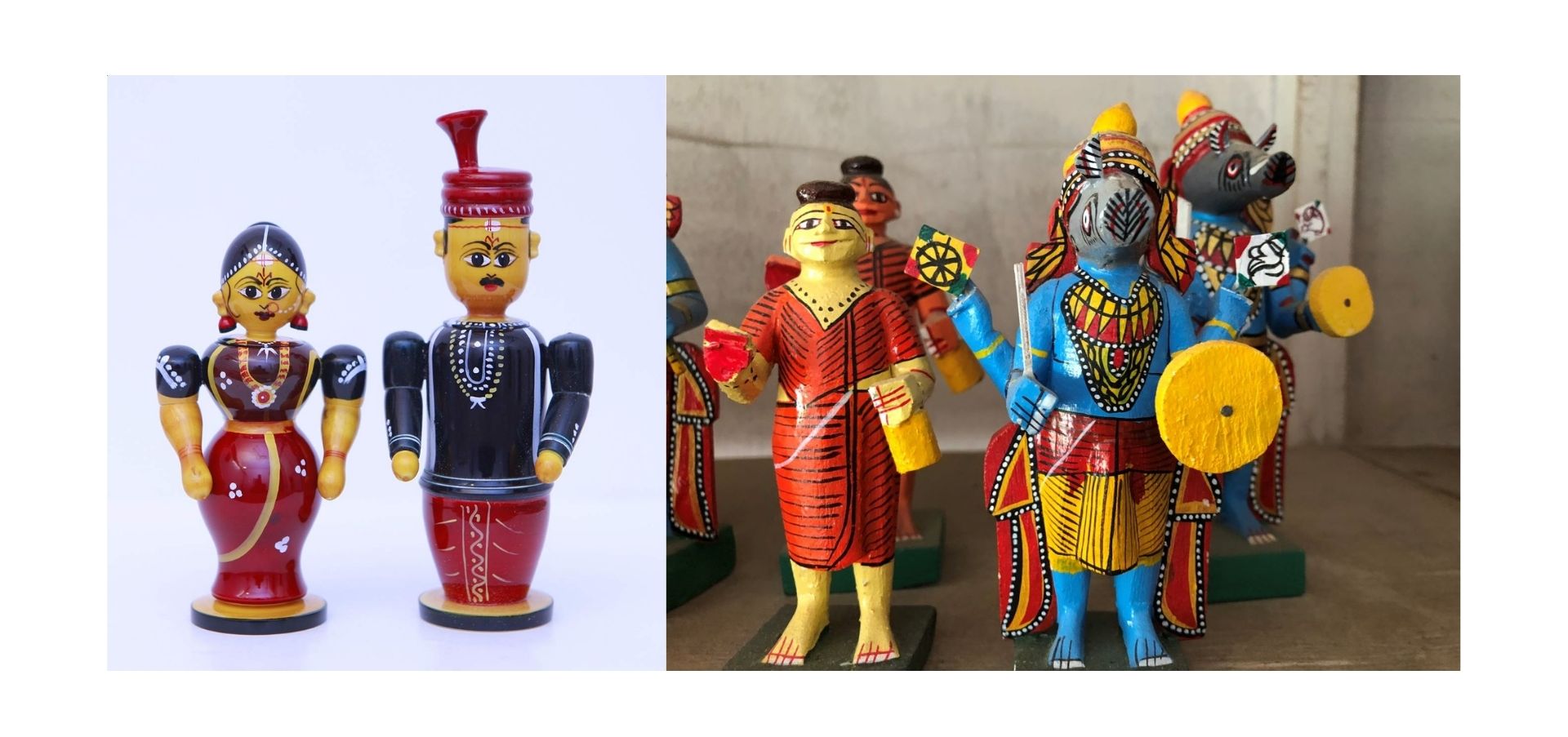
In the town of Kondapalli in Andhra Pradesh, artisans have been transforming soft local wood into colourful figurines for generations. The craft begins with carefully selecting and carving Tella Poniki wood, which is light and easy to shape, before each piece is hand-painted with vibrant colours and fine details. Traditionally depicting village life, animals, musicians, dancers and characters from Indian stories, Kondapalli toys offer a charming glimpse into the culture and imagination of the region. But as inexpensive, mass-produced toys dominate the market, traditional wooden toys face increasing difficulty competing on price and scale. For the artisans who continue to practise the craft, every carved figure represents more than a childhood object—it carries a living tradition of woodworking, storytelling and craftsmanship that has been passed down through generations.
What We Really Lose
When we speak about disappearing crafts, we often focus on the objects themselves. We worry about the loss of beautiful textiles, intricate carvings, handmade instruments, or traditional paintings. But the greatest loss is never the object. It is the person behind it. It is the artisan whose lifetime of experience remains undocumented, whose techniques exist only in memory, and whose stories risk disappearing alongside the craft they have dedicated their lives to preserving.
At HobbyMela, we believe preserving a craft begins by preserving the people who practise it. Every artisan carries knowledge that cannot be learned overnight. Every workshop holds stories that deserve to be heard. Every handmade object represents years of failure, experimentation, resilience, and hope. If we want these traditions to survive, we must do more than admire them. We must support the artists who continue to keep them alive by learning from them, attending their workshops, sharing their stories, collecting their work, and ensuring that future generations see creative practice as a meaningful and sustainable path.
The future of India's craft traditions will not be decided by museums alone. It will be shaped by the everyday choices we make as individuals—whether we choose handmade over mass-produced, whether we value the story behind an object, and whether we believe that cultural heritage deserves a place in our future as much as it does in our past.
Because every disappearing craft is really a story waiting for someone to continue it.
And perhaps the next chapter begins with us.
Kahani Karigar Ki.
At HobbyMela, we’re building a platform around this instinct, a craft ecosystem where India’s makers find visibility, community, and a stage worthy of the work their hands produce. If your hands have been idle for too long, this is your invitation to use them again.
Follow HobbyMela on Instagram and Linkedin
Subscribe on https://www.youtube.com/@hobbymela
Read more at hobbymela.com
By Bastian